Tag: Local SEO

  • Exercise Equipment SEO Agency for Brands, Dealers, and Suppliers

    Exercise Equipment SEO Agency for Brands, Dealers, and Suppliers

    An exercise equipment SEO agency should do more than push a fitness brand up a rankings report.

    The real job is helping the right buyer find the right equipment page and understand what fits their need. From there, the site should move them into a quote, dealer conversation, showroom visit, or purchase without losing them in the catalog.

    That sounds obvious. It is also where a lot of fitness-equipment sites get stuck. A manufacturer may have strong products but weak category pages. Dealers can rank for the brand name while missing local product searches. Commercial suppliers may attract home-fitness traffic that never turns into a qualified enquiry. Ecommerce sellers can have hundreds of products whose names and specifications do not line up cleanly with the searches buyers use.

    SEO has to connect those pieces. Product architecture, search intent, product data, local visibility, internal links, technical health, and the sales path all matter. Together they decide whether organic search produces a buyer instead of another visit.

    Fitness equipment buyers do not all search the same way

    The first useful SEO decision is separating the buyer types the site actually serves.

    A commercial gym owner may search for a full strength line, cardio package, flooring, delivery, installation, or equipment planning. Hotel and apartment operators may care about space, durability, warranty, and the mix of equipment that fits a smaller facility. Local buyers may want a showroom or dealer. Home users may compare a specific treadmill, rack, bench, bike, or rower by size, price, features, and shipping.

    Those searches should not all land on the same generic page.

    Buyer or business modelTypical search needPage that should carry the job
    Manufacturer or national brandProduct line, model, category, use case, specificationsCategory, product, comparison, or use-case page
    Commercial gym supplierFacility package, commercial equipment, installation, quoteCommercial category, facility solution, or quote page
    Dealer or showroomLocal availability, showroom, delivery, serviceDealer, location, showroom, or local inventory page
    Direct-to-consumer sellerSpecific product, feature comparison, price, shippingProduct, category, comparison, or checkout path

    The structure should reflect the sale. Commercial equipment buyers and home buyers often need different information before they act. Sending both to the same generic page usually leaves each person with extra work.

    What an Exercise Equipment SEO Agency Should Review First

    Blog content can support fitness-equipment SEO. It should not become the whole program.

    The pages closest to revenue are often categories, individual products, commercial-use pages, dealer pages, and specific facility pages. Those are the pages an exercise equipment SEO company should review before proposing another long list of articles.

    A category page needs to help a buyer narrow the catalog. Commercial treadmill pages, for example, should make the category easier to understand. A product grid alone can leave the buyer opening twenty tabs. Useful detail might cover intended setting, footprint, drive type, user capacity, power needs, service expectations, or warranty differences. The point is to show what separates one product family from another.

    Individual product pages take over from there. The buyer should see what the product is, who it fits, and how it differs from nearby models. The same page should make the important specifications and next buying step easy to find.

    Google’s current merchant listing documentation explains how Product and Offer markup can make eligible product pages available for richer product experiences in Search. Markup helps search systems understand the offer. It does not replace the visible information a buyer needs on the page.
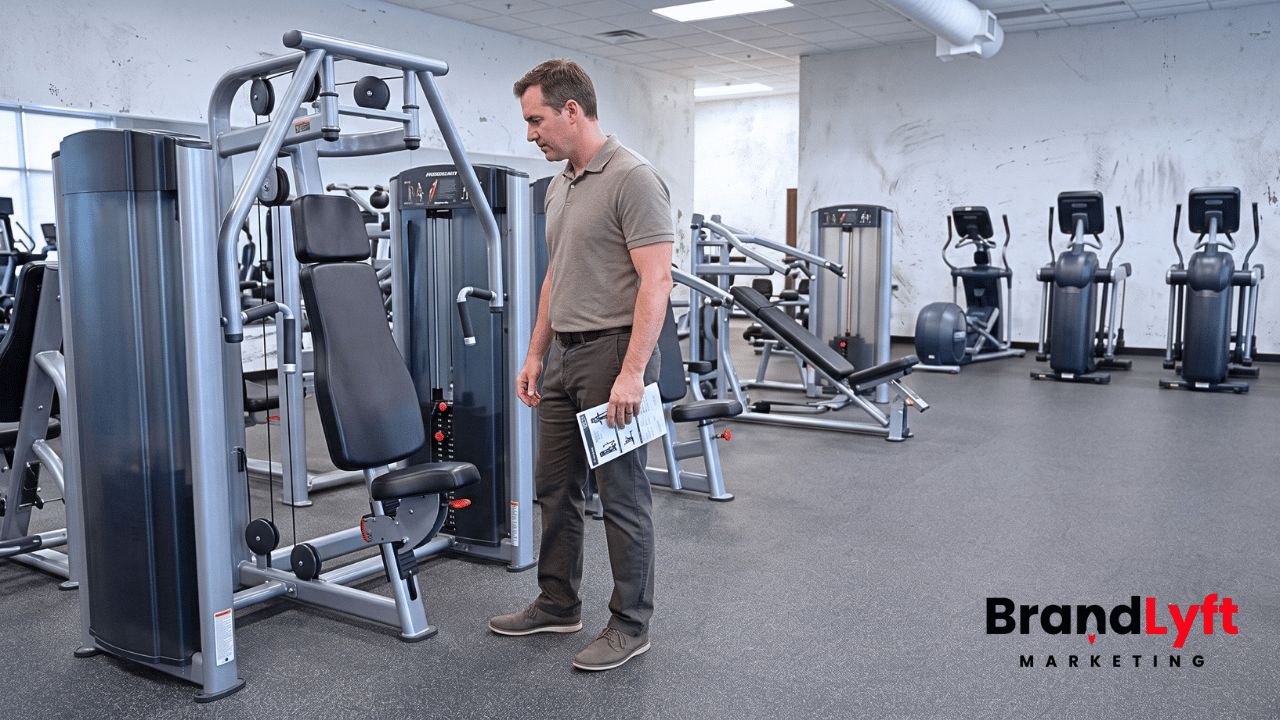
    Fitness equipment category and product pages being reviewed for buyer search paths
    Category and product pages should help buyers narrow the equipment choice before they have to contact sales.

    Product names and specifications have to match how buyers compare equipment

    Fitness equipment catalogs create an SEO problem when the site knows the products by internal model numbers but buyers search by product type, use case, feature, or facility need.

    A clear product name can carry the brand and model while still telling the buyer what the item actually is. The page then has room to explain the specifications that separate it from the next option. Dimensions, weight capacity, footprint, resistance or drive system, power requirements, console features, material, attachments, warranty, commercial rating, and installation needs may matter depending on the equipment.

    The same discipline should reach the product data feed when the seller uses Google Merchant Center. Google’s current product data specification says product information helps match products to queries. Inaccurate or conflicting data can limit or distort how products appear.

    That means the product page, feed, title, availability, identifiers, and category structure should describe the same item. SEO gets harder when the website calls something one thing, the feed calls it another, and the buyer searches for a third.

    Commercial and consumer equipment searches need different landing paths

    A person buying one adjustable bench does not evaluate a site the same way as somebody planning a 12,000-square-foot training facility.

    Commercial buyers often need more context before a quote. They may care about volume, installation, floor planning, warranty, service coverage, financing, or delivery windows. Brand mix and expected use may matter too. A page built only around price and an Add to Cart button may not answer that sale.
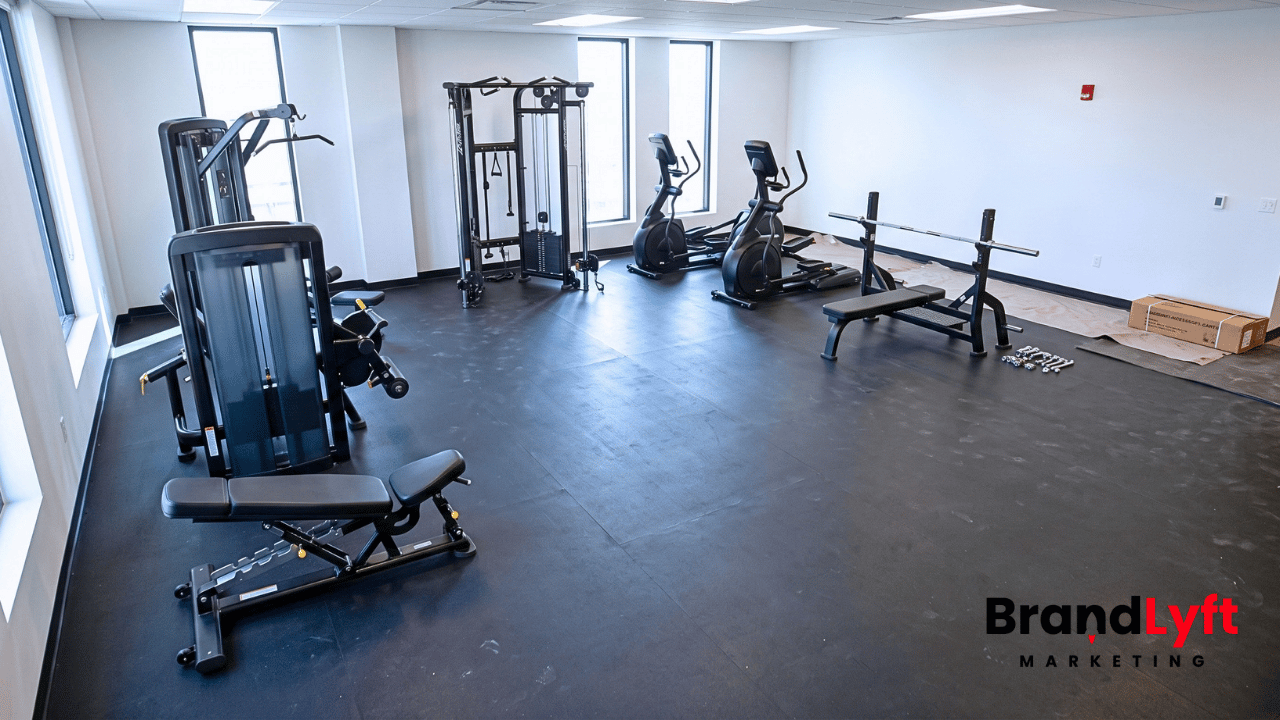
    Commercial fitness facility being fitted with strength and cardio equipment
    Commercial equipment buyers are often planning a facility, not purchasing a single machine.

    Consumer searches can be much more product-specific. The shopper may want exact dimensions, shipping cost, assembly detail, compatibility, returns, and a direct checkout path.

    The SEO architecture should separate those jobs when the business serves both. A commercial landing page should not compete with the home-use category for the same broad phrase if each page can own a clearer intent. Internal links can then move the visitor between them when the distinction is useful.

    This is also why keyword research alone is not enough. The page has to match the purchase decision behind the keyword.

    Dealer and local visibility need a real local buying path

    Local SEO matters when buyers can actually visit, purchase, arrange installation, or get service through a local dealer or showroom.

    A thin dealer page with a city name and phone number gives the buyer very little reason to stay. A useful local page should explain what the location supports and which products or brands are available. It can also clarify showroom access, delivery or installation, and the buyer’s next step.

    Google’s LocalBusiness structured data documentation supports describing business details such as location, hours, and departments. For sellers with store-level stock, Merchant Center also supports local inventory data that tells Google which stores carry particular products.

    Those tools only make sense when the real business model supports them. An online-only manufacturer does not need a pile of fake local pages. A dealer network with showrooms and local inventory has a different opportunity.

    Category architecture and internal links should make the catalog easier to understand

    Large equipment catalogs can create several pages that look like they should rank for the same thing.

    A broad strength category, a commercial strength page, a rack category, a specific rack model, and a buying guide can all belong on the same site. They should not all make the same promise.

    The category should own the broad choice. Subcategories narrow the equipment type. Product pages own the individual item. Use-case pages can speak to a hotel, school, apartment gym, physical therapy clinic, boutique studio, or commercial facility when the business really serves that market. Guides can answer questions that come before the buyer is ready for a quote.

    Internal links should support that movement. A category can point into important subcategories and products. Product pages can link back to the category, related equipment, accessories, comparison help, and the commercial quote path. A facility page can direct a buyer into the product families that fit that environment.

    That is better than creating another SEO page every time a keyword variation appears.

    It’s where an exercise equipment SEO agency should decide which page owns the search and which pages support it.

    Technical and on-page SEO still decide whether strong product pages can be found

    Good product information does not help much if search engines struggle to crawl, index, or distinguish the pages.

    Exercise equipment sites should review indexability, duplicate URLs, canonicals, faceted pages, redirects, and broken internal links. Mobile behavior, page speed, titles, headings, product images, and template output belong in the same technical pass.

    Catalog sites deserve extra attention because filters and variants can create many URLs without creating many useful search pages. The right fix depends on the platform and catalog. The important part is deciding which URLs deserve to be indexed and which exist only to help shoppers browse.

    On-page SEO should then make the page’s job obvious. The title, H1, body copy, specifications, image context, metadata, and internal links should reinforce the same product or category. They should not pull the page toward five unrelated keyword themes.

    BrandLyft’s E-commerce Development work becomes relevant when the problem sits inside the store itself. Catalog structure, product templates, site speed, feeds, and inventory can all affect search performance.

    The quote or enquiry path has to match the equipment sale

    Rankings can improve while qualified buyers still leave.

    A commercial equipment supplier may need more than a generic Contact Us form. The sales team may need facility type, location, equipment categories, project size, and timeline. Delivery or installation needs can help route the enquiry correctly. A local showroom buyer may need an appointment or call. A direct-to-consumer visitor may need a clean checkout.

    The CTA should fit the page. A commercial package page can offer a quote or planning conversation. Dealer pages can offer directions, availability, or local contact. Product pages can offer checkout, a quote, or dealer help depending on how that equipment is sold.

    BrandLyft’s Web Design service connects to this part of the job because search traffic still has to move through a usable page and a clear conversion path.

    Need the organic buyer path reviewed?

    BrandLyft can review the category structure, product pages, local visibility, search intent, and enquiry path that sit between an organic search and a real buyer conversation.

    Review BrandLyft SEO Services

    How an Exercise Equipment SEO Agency Should Track Buyer Enquiries

    An SEO report can show more rankings, impressions, clicks, and organic sessions while the sales team feels no difference.

    That gap needs measurement, not another ranking screenshot.

    For an ecommerce seller, the useful outcome may be product revenue, purchases, assisted conversions, or margin by organic landing page. For a commercial supplier, it may be qualified quote requests, showroom appointments, phone calls, dealer enquiries, or opportunities created from organic search.

    The tracking setup should preserve the landing page and source into the sales process. It should answer one practical question: which organic pages create business the team wants more of?

    That matters because two pages with similar traffic can have very different value. A broad informational guide may attract thousands of visits. A commercial category page may attract fewer people and create more qualified conversations. SEO decisions should know the difference.

    What exercise equipment SEO services should actually cover

    The labels vary across the search results — agency, company, services, experts. The buyer question underneath them is the same: can this provider work on the parts of the site that decide whether equipment gets found and sold?

    An exercise equipment SEO service should be able to review keyword and page ownership, category architecture, product detail, and technical issues. Product data, internal links, dealer visibility, and the conversion path after the click belong in the same review when they apply.

    That does not mean one agency has to rebuild the entire ecommerce stack to improve SEO. It does mean the recommendations should reflect how the catalog and sales process actually work.

    Ask what happens before signing a retainer. Which pages would they prioritize first? How do they separate commercial from consumer intent? What would they do with thin categories and overlapping products? Will they inspect Merchant Center or structured product data when the business uses them? How will they connect organic traffic to quote requests, calls, showroom visits, or sales?

    Those answers reveal more than a generic list of deliverables.

    BrandLyft’s SEO role starts with the buyer path, not a blog quota

    BrandLyft’s SEO Services are the primary service path for this article.

    For a fitness equipment brand, dealer, manufacturer, or supplier, the starting point should be the pages buyers already need. That usually means categories, products, commercial-use pages, dealer pages, and the paths that turn interest into an enquiry or purchase.

    Content can support those pages. Technical work can remove barriers. Product data can make the catalog clearer to search systems. Local SEO can help showrooms and dealers where local intent exists. None of those pieces should be treated as the whole program by itself.

    Those labels do not describe four different SEO problems. A buyer searching for an exercise equipment SEO company, exercise equipment SEO services, or exercise equipment SEO experts is still trying to judge the same core service fit.

    Choose an exercise equipment SEO agency that can connect discovery to demand

    An exercise equipment SEO agency earns its place when it can help the right buyer discover the right equipment and make the next step easier.

    For some brands, the biggest problem will be category architecture. For others, it will be thin product pages, unclear commercial positioning, weak dealer visibility, messy product data, or a quote path that asks too little and tells sales too little.

    The useful SEO work starts by finding which of those problems is blocking demand now.

    If BrandLyft looks like a fit, start with SEO Services. If the site already needs a direct review, book a discovery call. Bring the product categories, priority markets, and sales path you want organic search to support.

  • Exercise Equipment SEO Agency – How Fitness Equipment Brands Get Found by Buyers

    Exercise Equipment SEO Agency – How Fitness Equipment Brands Get Found by Buyers

    An exercise equipment SEO agency should help buyers find the right products before they ever talk to sales. If your fitness equipment website has weak category pages, thin product pages, unclear dealer pages, missing local visibility, or a slow quote path, search traffic may never turn into real buyers.

    That matters for fitness equipment sellers, suppliers, dealers, commercial gym brands, wellness equipment companies, and related B2B or B2C sellers.

    People do not always search for your brand first.

    They search for a product type.

    They search by use case.

    They compare brands, specs, price ranges, delivery options, installation needs, warranties, local dealers, and commercial gym fit.

    If your site does not answer those searches clearly, buyers may find another seller before they understand what you offer.

    Why an Exercise Equipment SEO Agency Has to Think Beyond Rankings

    An exercise equipment SEO agency should not treat every fitness equipment website like a simple brochure site.

    Fitness equipment buyers often search with a specific need already in mind. A gym owner may look for commercial treadmills. A physical therapy clinic may compare rehab equipment. A hotel buyer may search for compact gym packages. A home user may want a folding treadmill, dumbbell set, rowing machine, squat rack, or replacement part.

    Each search carries a different buyer intent.

    Some visitors want product details.

    Some want a category page that narrows the options.

    Some want a quote.

    Some want a local dealer.

    Others need delivery, installation, financing, warranty, or service information before they feel ready to contact anyone.

    SEO has to support that path.

    BrandLyft’s SEO Services fit this kind of work when the site needs better organic structure, stronger on-page signals, useful content, and cleaner search paths for real buyers.

    How Fitness Equipment Buyers Actually Search

    Fitness equipment buyers rarely move in a straight line.

    A commercial buyer may begin with a broad search like “commercial gym equipment supplier.” Then they narrow the search to cardio equipment, strength machines, functional training racks, studio flooring, recovery tools, or specific equipment packages.

    A local buyer may search for “fitness equipment dealer near me,” “gym equipment showroom,” or “exercise equipment installation.”

    A home buyer may search by product type, size, budget, space limit, or feature.

    That means a fitness equipment website needs more than a homepage and a few product pages.

    It needs a structure that matches how buyers look for equipment.

    A strong site usually needs:

    • Clean product category pages
    • Useful product pages
    • Clear comparison and buying-guide content
    • Dealer, showroom, or local availability pages when relevant
    • Quote, consultation, or checkout paths that feel easy to follow
    • Tracking that shows which pages create real sales conversations

    Without that structure, SEO traffic can look active while buyers still drift away.

    What an Exercise Equipment SEO Agency Should Fix First

    An exercise equipment SEO agency should start by checking the pages that carry buyer intent.

    The homepage matters, but it rarely does the whole job.

    For equipment brands and dealers, the money usually sits deeper in the site: product categories, individual products, commercial use cases, local dealer pages, and quote paths.

    If those pages are thin, duplicated, hard to navigate, or missing useful detail, buyers may not trust the site enough to move forward.

    Category Pages Need to Do More Than List Products

    Category pages often carry strong search intent.

    A buyer searching for treadmills, strength equipment, recovery tools, studio bikes, weight benches, racks, or functional training equipment may land on a category page before a product page.

    That page should help the buyer narrow the choice.

    Weak category pages usually show a grid and stop there.

    Better category pages explain what belongs in the category, who the equipment fits, what buyers should compare, and how to move toward a quote or purchase.

    For commercial buyers, the category page may also need to mention installation, facility type, volume needs, durability, warranty, service, and planning support.

    BrandLyft’s E-commerce Development work connects here because product visibility does not live only in copy. It also depends on store structure, product data, inventory logic, page speed, and the way the site moves buyers toward action.

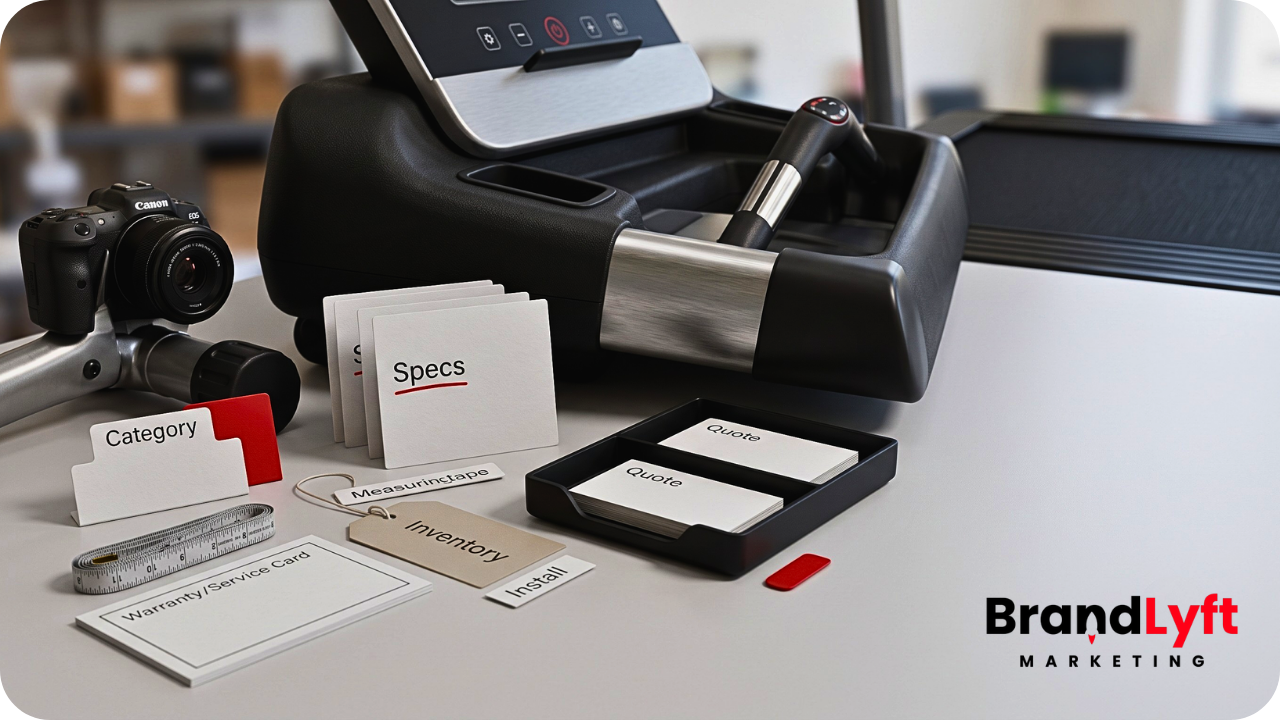
    exercise equipment seo agency reviewing category pages product pages dealer visibility and conversion paths for fitness equipment buyers

    Product Pages Need Buyer-Ready Detail

    A product page should answer the buyer’s practical questions before they leave the page.

    That may include product dimensions, use case, target user, commercial or home fit, installation needs, delivery options, service expectations, warranty details, accessories, related products, and quote or checkout next step.

    Google’s product structured data documentation explains how product markup can help potential buyers see product information in Search when the page meets the requirements.

    That does not mean markup alone creates sales.

    The visible page still has to help the buyer decide.

    Dealer and Local Pages Need Real Purpose

    Some fitness equipment brands sell directly. Others rely on local dealers, showrooms, installers, service partners, or regional sales teams.

    If local visibility matters, the site needs pages that explain where buyers can get help, what each location or dealer supports, and how the buyer should contact the right person.

    Thin dealer pages can create the same problem as thin city pages.

    They exist, but they do not help the buyer.

    Google’s LocalBusiness structured data documentation explains how local business details can help search systems understand business information such as business hours and departments. For fitness equipment dealers or showrooms, the larger job is still the page itself: make the local buying path clear.

    Conversion Paths Need to Match the Sale

    Fitness equipment sales can be simple or complex.

    A single home product may need a checkout path.

    A commercial gym package may need a quote request, layout conversation, equipment plan, financing discussion, or delivery call.

    A service or installation request may need location details, equipment type, timeline, and contact information.

    If the website gives every buyer the same contact form, the team may lose useful context before the sales conversation starts.

    BrandLyft’s Web Design service matters here because the site has to guide search visitors toward the right next step, not only look polished.

    Product Search Check

    Before More Buyers Hit the Site, Check the Pages They Actually Land On

    If product pages, category pages, dealer pages, quote forms, and tracking already feel thin or unclear, more traffic may only expose the same sales leak faster.

    Category pages only show product grids.
    Product pages miss buyer details.
    Dealer pages do not explain the local path.
    Quote forms do not capture enough context.

    Start the Teardown

    Need the search path reviewed first? Review SEO Services or book the discovery call.

    Why Website Structure Matters for Fitness Equipment SEO

    Website structure tells buyers and search engines how your equipment catalog fits together.

    If the structure is messy, important pages may compete with each other.

    A treadmill category page, commercial treadmill page, home treadmill page, used treadmill page, and treadmill product page should not all try to do the same job.

    Each page should have a clear role.

    The category page helps buyers narrow the type.

    The product page sells the specific item.

    The commercial page speaks to gyms, studios, hotels, schools, or clinics.

    The dealer page helps local buyers find help near them.

    The buying guide answers questions before the buyer is ready to request a quote.

    When every page has a job, SEO gets easier to understand.

    When every page says the same thing, the site becomes harder to trust.

    What Product and Category Pages Should Include

    Fitness equipment pages should not make buyers guess.

    For product pages, useful content may include:

    • Product name and clear category
    • Commercial, home, wellness, rehab, or studio use case
    • Dimensions, specs, power needs, and space requirements
    • Delivery, installation, service, and warranty details when relevant
    • Related products or accessories
    • Quote, checkout, dealer, or consultation path

    For category pages, useful content may include:

    • How to choose within the category
    • Who the equipment fits
    • Commercial vs home-use differences
    • Common buyer questions
    • Featured products or subcategories
    • Clear next step for quote, showroom, dealer, or checkout

    Google’s product snippet documentation covers product information that may appear in richer search results, such as ratings, price, and availability, when the page qualifies and the markup follows the rules.

    That makes product data cleaner for search.

    It still has to match visible, useful page content.

    Product Data Can Make or Break Search Visibility

    Product data matters because fitness equipment catalogs often contain many similar products.

    A buyer may compare two ellipticals, five benches, three squat racks, or several commercial cardio packages. Search systems and shopping surfaces need clean data to understand what each item is, who it fits, and how it differs from nearby products.

    Google Merchant Center’s product data specification explains that Google uses product data to match products to the right queries. Bad, missing, or inaccurate product data can cause display issues or limit how products appear.

    For fitness equipment sellers, that means product names, descriptions, images, availability, pricing, identifiers, categories, and feed data should not live as an afterthought.

    The product feed, product page, and category structure should tell the same story.

    If they do not, buyers may see confusing results or land on pages that do not match their search.

    Local and Dealer Visibility Need a Different SEO Path

    Some exercise equipment brands need national ecommerce visibility.

    Others need local dealer visibility.

    Many need both.

    A buyer may want to search online, visit a showroom, talk to a dealer, check local inventory, or ask about delivery and installation in their area.

    That kind of search path needs more than product descriptions.

    Dealer pages should explain what the local buyer can do next. Can they visit a showroom? Request a quote? Check availability? Schedule installation? Talk to a regional rep? Get service for existing equipment?

    Google Merchant Center’s local inventory documentation explains how local inventory data can tell Google which stores have certain products. For dealers and showroom-based sellers, that kind of inventory clarity can matter when buyers search with local intent.

    BrandLyft’s Specialty Retail page fits this part of the conversation because product-driven businesses often need SEO, local visibility, reputation, and conversion paths working together.

    Content Should Support Buyers Before They Ask for a Quote

    Not every buyer is ready to contact sales.

    Some are still comparing product types.

    Some are deciding between commercial and home equipment.

    Some need to understand space planning.

    Some want to know which equipment fits a hotel gym, apartment gym, school weight room, boutique studio, physical therapy clinic, or corporate wellness room.

    Good SEO content helps buyers move from research to decision.

    That may include buying guides, comparison pages, use-case pages, installation guides, maintenance content, product selection pages, and dealer support content.

    The goal is not to publish random blog posts.

    The goal is to answer the questions buyers ask before they raise their hand.

    Conversion Still Matters After the Buyer Finds the Page

    Search visibility is not the finish line.

    A buyer still needs to act.

    That action may be checkout, quote request, dealer contact, showroom visit, call, financing inquiry, service request, or product consultation.

    If the call to action does not match the sale, conversion drops.

    A commercial buyer may not click “Add to Cart” on a full gym package. They may need “Request a Commercial Quote” or “Talk to a Gym Equipment Planner.”

    A local buyer may need “Find a Dealer” or “Check Local Availability.”

    A home buyer may need clear product specs, shipping details, and a simple checkout path.

    BrandLyft’s Revenue System Build connects to this problem because the website should not only capture interest. It should route buyer interest into a path the team can follow, track, and close.

    Paid Ads and SEO Should Not Fight Each Other

    Fitness equipment brands often run paid campaigns while trying to grow organic search.

    That can work well when the pages are built properly.

    A strong product category page can support SEO, paid search, Shopping campaigns, retargeting, and sales follow-up. A weak page forces each channel to compensate for the same missing content.

    If paid traffic keeps landing on thin product pages, ads become more expensive to judge.

    If SEO traffic lands on pages with unclear next steps, organic growth may not create sales conversations.

    If tracking stops at form submissions, the team may not know which pages create quotes, dealer calls, or purchases.

    BrandLyft’s Paid Ads Management becomes stronger when the landing pages, product data, tracking, and follow-up path already support buyer intent.

    What to Ask Before Hiring an Exercise Equipment SEO Agency

    Before hiring an exercise equipment SEO agency, ask practical questions.

    Will they review category pages before writing blog posts?

    Will they check product page detail, not just keyword use?

    Will they look at product data, feeds, and structured data?

    Will they review local or dealer visibility if your buyers search by area?

    Will they connect SEO traffic to quote requests, calls, dealer inquiries, showroom visits, and sales follow-up?

    Will they help decide which pages should rank and which pages should support?

    Will they check conversion paths before increasing traffic?

    If the answer is no, the agency may treat your equipment catalog like ordinary content.

    That is not enough for a product-led business.

    How BrandLyft Fits Fitness Equipment SEO

    BrandLyft is a fit when a fitness equipment company needs more than scattered SEO work.

    The site may need a cleaner category structure.

    Product pages may need stronger buyer information.

    Dealer or local pages may need a clearer role.

    Tracking may need to show which pages create quote requests, calls, or booked sales conversations.

    The follow-up path may need to connect website interest to CRM, email, SMS, tasks, and sales ownership.

    BrandLyft’s Proof page shows how the company talks about growth through lead response, attribution, reputation, and systems behind the marketing. That matters for product-led companies too, because visibility alone does not close the sale.

    For a fitness equipment seller, SEO should help the right buyer find the right page, understand the right product path, and take the right next step.

    That is the real job.

    Before More Traffic, Fix the Buyer Path

    An exercise equipment SEO agency should help fitness equipment brands get found by buyers, but the work should not stop at rankings.

    The site has to support product discovery, category decisions, local or dealer visibility, product data, conversion, and follow-up.

    If the buyer lands on a thin category page, confusing product page, weak dealer page, or vague quote form, search traffic may not turn into real demand.

    Fix the buyer path first.

    Then build the search program around it.

    What This Means

    If Buyers Can Find the Product But Still Do Not Act, the Page Path Needs Review

    Search visibility only helps when product pages, category pages, dealer pages, quote forms, and follow-up paths make the next step clear. Start by finding where the buyer path leaks.

    Start the Teardown

    Need the organic path reviewed too? Review SEO Services or book the discovery call.

  • Cartersville Digital Marketing Agency: What Local Service Businesses Need Before More Leads

    Cartersville Digital Marketing Agency: What Local Service Businesses Need Before More Leads

    A Cartersville digital marketing agency should not push more leads into a broken follow-up path. If your website, calls, forms, booking flow, tracking, and lead response are not ready yet, more traffic can make the leak worse.

    That is the part local service businesses need to check first.

    More leads sound good until the phone rings during a job, the form goes to the wrong inbox, the CRM does not show the source, or nobody knows who should call the customer back.

    For a Cartersville contractor, home service company, med spa, repair shop, local clinic, tree service, HVAC company, plumber, roofer, or smaller operator, the problem is not always demand.

    Sometimes the problem is what happens after demand shows up.

    Why a Cartersville Digital Marketing Agency Should Check the Lead Path First

    A good Cartersville digital marketing agency should care about the whole lead path, not only the campaign that created the lead.

    That path starts before the click and ends only when the business knows what happened.

    Did the person find you from Google Search, Google Maps, a paid ad, a referral, an old email, a social post, or your website?

    Did they call, submit a form, request a quote, start a chat, click to book, or send a message?

    Did your team respond fast enough?

    Did the lead go to the right person?

    Did the CRM show the source clearly?

    Did the lead move into the right follow-up path?

    Did anyone mark the outcome?

    If those answers are unclear, more leads may not fix the problem. More leads may only make the problem harder to see.

    BrandLyft’s Speed to Lead work fits this exact issue because local service leads often go cold fast. The first response should not depend on someone remembering to check a missed call, inbox, form notification, or sticky note.

    More Leads Do Not Help If the Business Cannot Handle Them

    Local service businesses often ask for more leads because that is the easiest problem to name.

    The phone is not ringing enough.

    The website is not producing enough form fills.

    The calendar is not full.

    The crew has open time.

    The slow season feels too slow.

    Those are real problems. But they are not always ad problems.

    A business can spend more on Google Ads and still lose the job because the call was missed.

    A business can improve SEO and still lose the quote because the website form does not create a clear next step.

    A business can rank on Google Maps and still lose the customer because the team waited three hours to reply.

    A business can get more traffic and still not know which lead source created booked work.

    That is why a local lead-leak review should happen before the next budget increase.

    Where Local Service Leads Usually Fall Apart

    Lead leaks usually happen in plain places.

    The customer clicks.

    The customer calls.

    The customer fills out a form.

    The customer requests a quote.

    The customer expects a response.

    Then the business side gets messy.

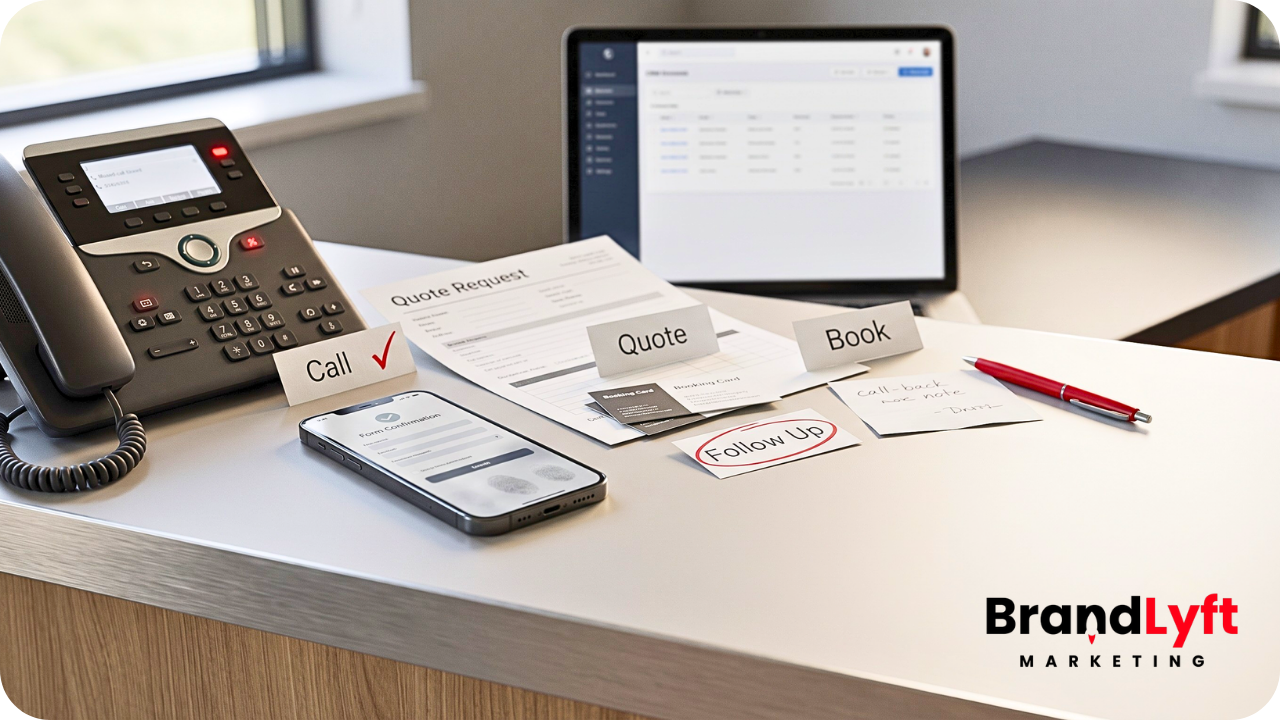
    cartersville digital marketing agency lead path review for local service business calls forms booking tracking and follow-up gaps

    Missed Calls With No Recovery Path

    For many service businesses, the highest-intent lead is still a phone call.

    That is especially true for urgent work: plumbing issues, HVAC repairs, roof leaks, electrical problems, tree damage, appliance repair, pest issues, and other problems where the customer wants help now.

    If the call gets missed, the business needs more than voicemail.

    There should be a text-back, a call-back task, a clear owner, and a follow-up path. A missed-call text-back without a person watching the reply is not enough.

    It only says, “We saw you called.”

    It does not win the job by itself.

    Website Forms That Do Not Trigger Real Action

    A contact form should not just send an email.

    It should tell the team what the customer needs, where the lead came from, who owns the first response, and what should happen next.

    If the form sends a vague notification to a shared inbox, the business has to rely on memory. That works until the day gets busy.

    A better setup sends the lead into the CRM, tags the source, alerts the right person, creates a task, and starts a follow-up path that matches the request.

    That is the difference between a form submission and a lead system.

    Booking Paths That Stop Too Early

    Some local businesses let customers request appointments, consultations, estimates, inspections, or calls online.

    That is useful only if the booking path stays connected.

    The customer should know what happens next. The staff should get the right alert. The CRM should track the source. The appointment should connect to the right pipeline stage. If the customer cancels or no-shows, the follow-up should not depend on someone noticing it later.

    BrandLyft’s Revenue System Build exists for this kind of gap. The point is not just getting the lead. The point is building the system that catches it, routes it, tracks it, and keeps it moving.

    Tracking That Shows Leads But Not Booked Work

    Lead count can be misleading.

    A campaign may create form fills, but not booked jobs.

    A channel may create calls, but not profitable work.

    A landing page may look busy, but the sales team may not trust the leads.

    If tracking stops at “lead submitted,” the business does not know which source deserves more money.

    That is where Google Business Profile performance, Google Ads conversion tracking, CRM source tracking, and pipeline stages need to agree. Google’s Business Profile performance documentation explains that owners can see searches, calls, website clicks, directions, messages, and bookings when those metrics apply. Google Ads also documents website conversion measurement for actions users take after clicking an ad.

    The tools can show activity.

    The business still has to connect that activity to real sales outcomes.

    Lead-Leak Check

    Before More Cartersville Leads Come In, Check Where They Go

    If calls, forms, booking requests, source tracking, and follow-up already feel unclear, more leads may only hide the real issue. Start by finding the leak.

    Missed calls are not recovered fast.
    Forms do not create a clear next step.
    Lead sources are hard to trust.
    Booking requests do not move cleanly.

    Start the Teardown

    Need the response path reviewed too? Review Speed to Lead or book the discovery call.

    What a Cartersville Digital Marketing Agency Should Review Before More Budget

    A Cartersville digital marketing agency should review the parts of the system that turn attention into booked work.

    That does not mean every business needs a complicated setup.

    It means the basics need to work.

    The Website Has to Make the Next Step Obvious

    A local service website should make it easy to call, request a quote, book, or ask a question.

    That sounds simple, but many websites hide the next step under weak buttons, long pages, vague service copy, slow mobile layouts, or forms that ask for too much too soon.

    For a Cartersville business, the website should answer the practical questions fast.

    What do you do?

    Where do you serve?

    Can I trust you?

    How do I get help?

    What happens after I reach out?

    BrandLyft’s Web Design work matters because a service business website is not just a brochure. It has to turn local intent into a clean next step.

    The Paid Ads Need Tracking Before Scale

    Paid ads can create fast demand, but they can also expose weak tracking.

    If the business cannot see which campaigns created booked appointments, sales calls, estimates, or real jobs, the ad account becomes harder to trust.

    Clicks are not enough.

    Form fills are not enough.

    Call volume is not enough.

    The business needs to know which campaigns create the right kind of lead and which leads move forward.

    That is why BrandLyft’s Paid Ads Management should sit close to the follow-up system. Paid traffic and lead handling should not operate like two separate worlds.

    The CRM Has to Match the Way the Business Sells

    Many local businesses have some kind of CRM, inbox, spreadsheet, job board, software account, or calendar.

    The problem is not always missing software.

    The problem is often that the software does not match the way the business actually handles leads.

    A roofing lead may need an inspection path.

    An HVAC lead may need an emergency response path.

    A med spa lead may need a consultation path.

    A pest control lead may need a recurring-service path.

    A tree service lead may need urgent storm cleanup routing.

    If every lead enters the same pipeline, the team has to sort the details manually. That slows everything down.

    BrandLyft’s GoHighLevel Partner work fits businesses that already have GHL but need the setup to match real sales, routing, follow-up, and reporting.

    The Local Trust Signals Need to Be Clean

    Local buyers make fast trust decisions.

    They check reviews, photos, service pages, location details, business hours, licensing signals when relevant, and whether the company looks real.

    Google’s LocalBusiness structured data documentation explains how business details can help search systems understand local business information. Structured data alone does not create trust, but clean business details support a better local presence.

    The bigger point is plain: a local business should not send paid traffic to a page that still feels unfinished, vague, or hard to trust.

    Why Local Service Businesses Near Cartersville Lose Leads After They Get Them

    Cartersville-area businesses do not always lose leads because competitors have better ads.

    Sometimes competitors simply answer faster, explain the next step better, or follow up more clearly.

    That matters for smaller operators because one missed estimate, one unanswered urgent call, or one lost quote can hurt the week.

    Common leak points include:

    • A call comes in while the team is on a job.
    • A form notification goes to an inbox nobody checks fast enough.
    • A lead source appears as “website” with no useful detail.
    • A booked estimate never moves into the right pipeline stage.
    • A missed call gets a text, but nobody owns the reply.
    • A quote goes out, but no follow-up happens after two days.
    • A customer asks a question through chat, but the team sees it too late.

    None of those problems require a bigger ad budget first.

    They require a cleaner lead path.

    What to Fix Before Asking for More Leads

    Before hiring a Cartersville digital marketing agency or increasing the monthly marketing budget, review the core path.

    Start with the phone.

    Call the main number during business hours. Call it after hours. Check what happens when no one answers. Check the text-back. Check who gets alerted. Check whether the lead appears in the CRM.

    Then test the website forms.

    Submit the form like a customer. Use a real service need. Watch how fast the notification arrives, where the lead goes, what source appears, and who owns the reply.

    Then review the booking path.

    If customers can request appointments or estimates, check the confirmation, staff alert, calendar logic, and follow-up.

    Then review tracking.

    Look at Google Business Profile, website analytics, ad conversions, call tracking, form submissions, CRM stages, and booked jobs. If those systems do not tell the same story, do not scale spend yet.

    Then review the follow-up.

    Look at what happens after the first reply. Many leads are not lost on the first touch. They are lost because no second, third, or quote follow-up happens when the customer hesitates.

    That is where AI Conversational Bot, missed-call handling, nurture paths, and human task ownership can help — but only when the setup matches the business.

    What the Free Lead-Leak Teardown Should Help You See

    The Free Lead-Leak Teardown should help a local service business see where the lead path is breaking before more money goes into ads, SEO, or new campaigns.

    The teardown should not be about blaming one tool.

    It should answer practical questions:

    Are calls being answered or recovered?

    Are forms tracked clearly?

    Are leads routed to the right person?

    Are sources easy to trust?

    Does the CRM show the real sales stage?

    Does follow-up happen after the first response?

    Does the website make the next step obvious?

    Does the business know which channels create booked work?

    Once those answers are clear, the next move becomes easier.

    The business may need better local SEO.

    It may need paid ads.

    It may need a website cleanup.

    It may need speed-to-lead automation.

    It may need a CRM rebuild.

    Or it may need all of those in the right order.

    BrandLyft’s Proof page is useful when you want to see how the company talks about service-business growth, lead response, CRM, and marketing systems in the real world.

    Before More Leads, Build the Path That Holds Them

    A Cartersville digital marketing agency can help a local business get more attention.

    But attention is not the same as booked work.

    If the phone is missed, the form is vague, the CRM is hard to trust, the booking path is unclear, or the follow-up depends on memory, more leads may only create more dropped chances.

    For local service businesses in and around Cartersville, the better first move is to check the system behind the lead.

    Fix the leak.

    Then decide what kind of marketing spend makes sense.

    Cartersville Lead Readiness Check

    Do Not Pay for More Leads Until the Follow-Up Path Is Clear

    If calls, forms, booking requests, tracking, and CRM follow-up already feel scattered, start with the leak. The next campaign will only help if the business can catch the leads it creates.

    Start the Teardown

    Need someone to review the response path with you? Check Speed to Lead or book the discovery call.