Tag: GHL setup

  • GoHighLevel Multi-Location Setup Checklist: What to Fix Before You Add More Locations

    GoHighLevel Multi-Location Setup Checklist: What to Fix Before You Add More Locations

    GoHighLevel Multi-Location Setup Checklist: What to Fix Before You Add More Locations

    A GoHighLevel multi-location setup should not expand until the current locations can capture leads, route them, follow up, report, and use the system consistently.

    That sounds obvious, but this is where many franchise and multi-location teams get into trouble.

    The first few locations go live. Workflows exist. Pipelines exist. Calendars exist. Local teams have access. Corporate can see some activity. On the surface, the account looks ready for the next wave.

    Then more locations get added, and the weak spots spread.

    Lead capture gets inconsistent. Routing rules do not match real service areas. Missed calls sit too long. Pipeline stages mean different things by location. Reporting looks active but not useful. Local teams use GHL differently. Integrations create duplicate records. Corporate and local teams both assume the other side owns the handoff.

    That is why a GoHighLevel multi-location setup needs a cleanup checklist before the next location gets added.

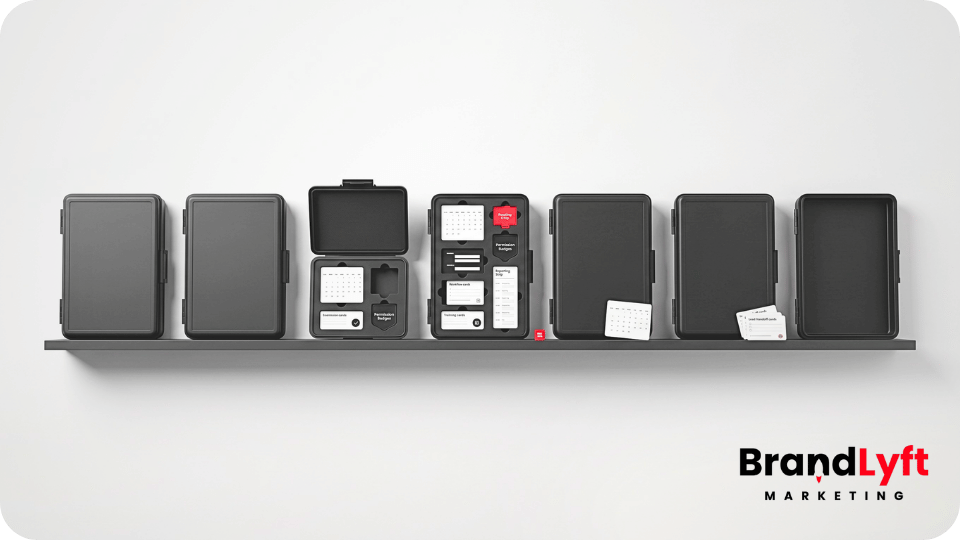
    GoHighLevel multi-location setup checklist showing lead capture routing missed calls reporting integrations and team usage across locations

    The goal is not to make the account more complicated.

    The goal is to stop weak setup decisions from getting copied across the franchise.

    If one location has messy routing, five more locations will not fix it. If the pipeline already feels unclear, adding more users will make it harder to trust. If corporate cannot see what each team does with every lead, more dashboards may only create more noise.

    Before you add more locations, fix the system you already have.

    Check the Setup Before You Copy It Wider

    The Franchise GHL Optimization Map helps franchise and multi-location teams review lead capture, booking, routing, follow-up, reporting, integrations, and location handoff before more locations inherit the same gaps.

    Run the Location Check
    Use the GHL Playbook

    Why a GoHighLevel Multi-Location Setup Needs a Checklist Before Expansion

    A GoHighLevel multi-location setup gets harder to fix after more branches, users, campaigns, and local workflows enter the account.

    Early setup gaps are easier to ignore when only a few locations use the system.

    A manager can manually reassign a lead. Corporate can ask one location for an update. Someone can fix a bad pipeline stage by hand. A missed call can get handled with a quick text from a local phone.

    That kind of manual cleanup does not scale.

    Once the franchise adds more locations, every unclear rule creates more drag. The team has more records to review, more staff to train, more dashboards to explain, more workflow branches to test, and more exceptions to track.

    This is why the checklist matters.

    It gives leadership a practical way to review the account before more locations get added. It also helps separate small cleanup from deeper rebuild work.

    BrandLyft’s earlier article on GoHighLevel multi-location setup explains why deployments stall. This checklist focuses on what to fix before the next expansion step.

    Checklist Item 1: Clean Up Lead Capture Before Adding More Locations

    Lead capture is the first place to check.

    Every location should receive leads from clean, trackable entry points. That may include website forms, local landing pages, paid ads, calls, missed calls, chat widgets, booking pages, referral forms, lead magnets, or third-party sources.

    The problem starts when those sources enter GHL differently.

    One form may capture location correctly. Another may miss the service area. A paid campaign may pass campaign data but not location data. A missed call may create a contact without enough context. A local landing page may skip the fields corporate needs for reporting.

    That creates bad follow-up later.

    Before more locations go live, review every lead source and ask:

    • Does the lead enter the right GHL account or location structure?
    • Does the form collect enough information to route the lead?
    • Does source tracking stay attached to the contact?
    • Does the lead create the right opportunity?
    • Does the right location receive the alert?
    • Can corporate report on the lead source later?

    If the answer is unclear, fix lead capture first.

    A weak form setup or messy call source will not improve when more locations copy it. It will only create more contacts that no one can trust.

    Checklist Item 2: Fix Location Routing Before More Leads Hit the Account

    Routing is the second checkpoint.

    A lead entering GHL is not enough. The system has to know which location owns it, who should respond, and what happens if the first owner does not act.

    Franchise routing often gets messy because real territories are not simple.

    Some teams route by ZIP code. Others route by nearest branch, city, region, service area, owner group, appointment type, staff availability, or local capacity. Some leads sit between two locations. Some leads come from corporate campaigns with incomplete location data.

    If the routing rule is loose, the local team has to guess.

    That guesswork becomes more expensive as the franchise grows.

    Before expanding your GoHighLevel multi-location setup, test lead routing across real lead paths. Submit a lead from a corporate page, a local page, a paid ad, a missed call, a referral source, and a booking request. Then check where each lead lands.

    The right test is not “Did the workflow fire?”

    The right test is “Did the correct location get a lead it can actually work?”

    BrandLyft’s article on GoHighLevel lead routing for franchises goes deeper on this handoff. For this checklist, the point is simple: do not add locations until routing rules match how the franchise really operates.

    Checklist Item 3: Review Missed-Call Follow-Up by Location

    Missed calls can leak revenue quietly.

    A buyer may not fill out a form or wait for a nurture sequence. They may call the nearest location, expect a quick answer, and move on if nobody responds.

    For a multi-location brand, missed-call recovery needs more than one generic text.

    The system should show which location missed the call, who should call back, how fast the follow-up happened, and what happened after that. It should also help corporate spot patterns.

    One branch may miss calls during lunch. Another may miss them after 5 p.m. A third may miss weekend calls. A fourth may reply quickly but never update the pipeline.

    Those are different problems.

    Before adding more locations, check the missed-call path:

    • Does a missed call trigger a text quickly?
    • Does the right location get the callback task?
    • Does a manager see missed calls that sit too long?
    • Does the missed call create or update the right opportunity?
    • Does reporting show missed calls by location?
    • Does the workflow stop once the lead books or gets handled?

    Speed matters, but ownership matters more.

    BrandLyft’s article on speed-to-lead automation for franchises is the natural next read for teams that need a stronger first-response and missed-call recovery path.

    Checklist Item 4: Standardize Pipeline Stages Before the Next Rollout

    Pipeline stages should mean the same thing across every location.

    This sounds basic, but it breaks often.

    One location may move a lead to “Contacted” after an automated text. Another may wait until a live phone call happens. Another may skip the stage entirely. A manager may close opportunities differently from a sales rep. A front desk team may book appointments but never move the opportunity.

    When that happens, reporting starts losing trust.

    Before more locations join the system, define what each pipeline stage means. Then check whether local teams can follow that definition during real work.

    A useful pipeline review should ask:

    • Which stages are required for every location?
    • Which stages are optional by service line or offer?
    • What exact action moves a lead from one stage to the next?
    • Who moves the opportunity?
    • What stages trigger automation?
    • What stages should show up in owner-level reporting?

    HighLevel’s documentation on understanding pipelines explains how pipelines organize opportunities and stages. For franchise teams, the bigger job is making those stages mean the same thing across the brand.

    If stages are unclear now, more locations will not make them clearer.

    Checklist Item 5: Check Calendar and Booking Rules by Location

    Calendar setup can look finished before it works in real life.

    A location may have a calendar in GHL, but that does not mean the booking path matches the branch’s hours, staff, service types, appointment length, or availability.

    Booking problems show up fast when a franchise expands.

    A lead may route to one location but receive another location’s calendar. A buyer may book a service the branch does not offer. A same-day request may go to a team that cannot handle it. A local staff member may receive a booking without enough context.

    Before adding more locations, test booking paths by location.

    Check the form, workflow, calendar link, confirmation message, reminder, no-show path, and reporting view. The whole path should match the local operating model.

    HighLevel’s calendars and appointments resources cover the platform mechanics. Franchise teams still need to decide how each branch should book, confirm, reschedule, and follow up.

    A clean GoHighLevel multi-location setup should not send every buyer into one generic booking path.

    Checklist Item 6: Fix Reporting Visibility Before Leadership Loses Trust

    Reporting is one of the clearest signs that a setup is not ready to scale.

    Owners should not have to chase managers for basic answers.

    Which location responded fastest? Which one missed calls? Which one booked the most leads? Which pipeline stages stall? Which team follows up after no answer? Which locations actually use GHL?

    If the account cannot answer those questions, the reporting layer needs work before more locations get added.

    Bad reporting usually starts with bad inputs.

    If lead sources are inconsistent, location routing is unclear, pipeline stages mean different things, and local teams work outside the CRM, dashboards will not solve the trust problem. They will only make the inconsistency easier to see.

    Before expansion, review:

    • Lead response by location
    • Booked vs. unbooked leads
    • Missed calls and callback status
    • Pipeline movement by branch
    • Overdue tasks
    • Stale opportunities
    • Local team activity
    • CRM adoption by location

    HighLevel’s dashboard permissions documentation shows how access can be controlled by role or user. For multi-location teams, permissions should match the reporting model so corporate, regional managers, and local teams see the right level of data.

    BrandLyft’s article on GoHighLevel reporting for multi-location brands breaks down what owners need to see across every location.

    Checklist Item 7: Review User Roles, Permissions, and Assigned Data

    User access is not just an admin detail.

    In a franchise GHL setup, access design affects daily work.

    Local reps need to see the leads and tasks they own. Managers need enough visibility to coach and catch missed follow-up. Regional leaders may need a group of locations. Corporate needs cross-location reporting without getting buried in local noise.

    If permissions are too loose, teams see too much. If they are too tight, people miss the context needed to act.

    Before adding more locations, check user roles and assigned data.

    Review who can see contacts, conversations, opportunities, workflows, calendars, dashboards, and pipeline records. Then check whether that access matches how the franchise actually works.

    HighLevel’s support docs on user roles, permissions, and assigned data explain how sub-account access can restrict visibility and control tools such as workflows.

    That matters before expansion because every new location adds more users, more records, and more permission decisions.

    Do not wait until the account is full of confused users before cleaning access rules.

    Checklist Item 8: Check Team Usage Before Training More Locations

    Training more locations does not fix a system that current teams do not use correctly.

    Before the next rollout, look at how active locations actually work inside GHL.

    Do they call from the system? Do they reply inside conversations? Do they move opportunities? Do they complete tasks? Do they leave notes? Do they update appointment outcomes? Do they handle no-answer follow-up inside the CRM?

    If one location uses GHL daily and another treats it as a notification tool, expansion will widen the gap.

    This is where corporate teams often misread the problem.

    They assume the issue is training. Sometimes it is. Other times, the workflow does not match daily work. The pipeline has too many stages. The booking path is confusing. The reporting view does not help local managers. The team does not know which system owns the next action.

    BrandLyft’s article on GoHighLevel for franchises and location usage covers this adoption problem in more depth.

    For this checklist, the rule is simple: do not train more locations on a process your current locations do not follow.

    Checklist Item 9: Clean Up Integrations Before They Create More Duplicate Work

    Many franchise teams use GHL alongside other systems.

    A booking platform may hold appointments. A job system may hold service outcomes. A membership platform may hold customer status. An ad platform may hold campaign data. A custom database may hold location records.

    That is not automatically a problem.

    The problem starts when no one defines which system owns which part of the handoff.

    Before adding more locations, review how GHL connects with other tools. Look for duplicate contacts, missing location IDs, broken booking status updates, unclear job outcomes, stale membership data, and reporting gaps.

    HighLevel’s inbound webhook workflow trigger can receive data from outside applications into workflows. Its webhook and API options can support integration paths, but the franchise still needs business rules before the connection is useful.

    BrandLyft’s article on GoHighLevel integrations for franchise brands explains why integrations should protect the handoff, not just move data between tools.

    A weak integration copied to more locations becomes harder to unwind later.

    Checklist Item 10: Clarify the Corporate-to-Local Handoff

    A GoHighLevel multi-location setup needs a clear handoff between corporate and local teams.

    Corporate may own campaigns, templates, dashboards, brand standards, reporting, and system rules. Local teams usually own calls, replies, bookings, notes, show-up handling, and real customer conversations.

    Both sides need to know where their responsibility starts and ends.

    Without that clarity, leads get stuck between teams.

    Corporate assumes the location is working the lead. The location assumes the workflow handled it. A manager assumes the rep responded. The rep assumes the buyer booked. The dashboard shows activity, but no one owns the outcome.

    Before adding more locations, document the handoff in plain language.

    Who owns new leads? Who owns first response? Who owns missed calls? Who owns bookings? Who owns no-shows? Who owns stale opportunities? Who reviews local reporting? Who fixes workflow issues? Who decides when a location is ready to go live?

    BrandLyft’s article on GoHighLevel for franchises deployment is useful here because deployment needs shared structure and location-level ownership, not just another copied setup.

    Checklist Item 11: Test the Full Lead Path Before the Next Location Goes Live

    The final checklist item is a full lead-path test.

    Do not only check workflows one by one.

    Test the buyer journey from entry to outcome.

    Submit a test lead through each major source. Call the location after hours. Trigger a missed call. Book an appointment. Reply to the first automated message. Let a task become overdue. Move an opportunity through the pipeline. Check what corporate can see afterward.

    The goal is to find the breaks before the next location copies them.

    A full test should answer:

    • Did the lead enter with clean source data?
    • Did the right location receive it?
    • Did the right person get the next action?
    • Did the first response happen fast enough?
    • Did the booking path match the location?
    • Did the pipeline update correctly?
    • Did reporting show what happened?
    • Did the fallback path catch stalled activity?

    If the account fails this test, the next location should wait.

    That delay is not wasted time. It prevents the franchise from copying a broken handoff into another branch.

    What BrandLyft Looks For Before a Multi-Location GHL Expansion

    When BrandLyft reviews a GoHighLevel multi-location setup, the first question is not “Can we add another location?”

    The better question is “Should this setup be copied yet?”

    A review may cover lead capture, routing, missed-call recovery, pipeline stages, calendars, reporting, permissions, user roles, team usage, integrations, workflow naming, templates, source tracking, and fallback rules.

    The review may show that the account only needs cleanup.

    It may show that some workflows need tightening. It may show that reporting needs better inputs. It may show that each location needs a clearer owner. It may also show that the current setup was patched too many times and needs deeper rebuild work before expansion.

    That distinction matters.

    A franchise does not need to slow down for the sake of being careful. It needs to slow down when speed would copy the same operational mistakes into more locations.

    BrandLyft’s GoHighLevel for Franchises team helps franchise and multi-location brands review the system before the same gaps spread wider.

    Do Not Add Locations to a Setup You Do Not Trust Yet

    Use the GoHighLevel Implementation Playbook to review workflows, routing, calendars, permissions, pipelines, reporting, integrations, and launch readiness before the next location goes live.

    Use the Setup Playbook
    Review the Expansion Path

    FAQ About GoHighLevel Multi-Location Setup

    What should a GoHighLevel multi-location setup include?

    A GoHighLevel multi-location setup should include clean lead capture, location routing, missed-call recovery, standard pipeline stages, calendar rules, reporting visibility, user permissions, team usage rules, integrations, and a clear corporate-to-local handoff.

    When should a franchise clean up GHL before adding more locations?

    A franchise should clean up GHL before adding more locations when current branches use the system inconsistently, leads need manual reassignment, reporting feels hard to trust, missed calls sit too long, or local teams work outside the CRM.

    Should every location use the exact same GHL setup?

    Every location should follow the same core structure, but not every detail has to be identical. The franchise may need location-specific calendars, users, service areas, routing rules, and staffing logic while keeping shared reporting and pipeline definitions consistent.

    Can BrandLyft help review a live GHL account before expansion?

    Yes. BrandLyft can review a live GHL account before more locations get added. The review should look at the full handoff from lead capture to routing, follow-up, booking, pipeline movement, reporting, team usage, and integrations.

    The Real Checklist Question: Should This Setup Be Copied?

    A GoHighLevel multi-location setup does not fail only because more locations get added.

    It fails when the franchise copies a setup that was already unclear.

    Before the next rollout, look at the account honestly.

    Can every location capture leads cleanly? Can the right branch receive the lead? Can missed calls trigger real follow-up? Can pipeline stages mean the same thing everywhere? Can owners see what happens after a lead arrives? Can local teams use the system without creating side processes? Can integrations protect the handoff instead of adding duplicate work?

    If the answer is yes, expansion gets safer.

    If the answer is no, the next location may only make the problem harder to fix.

    Do the cleanup first.

    Then add locations to a system the franchise can actually trust.

  • Bought GoHighLevel and Got Stuck? The Honest Reasons Your GHL Deployment Stalled

    Bought GoHighLevel and Got Stuck? The Honest Reasons Your GHL Deployment Stalled

    If your GoHighLevel deployment stalled, it does not always mean you bought the wrong tool.

    Most service business owners hit this wall because no one turned the account into a working system for their actual business.

    You signed up because GoHighLevel looked like it could solve real problems: missed leads, slow follow-up, scattered tools, unclear pipelines, and weak visibility into where prospects get stuck.

    Maybe you found it through YouTube. Maybe a peer recommended it. Maybe a free trial made it look simple enough to handle in-house.

    After logging in, the account looked full of promise.

    Forms, funnels, calendars, pipelines, workflows, tags, SMS, email, conversations, opportunities, and automation tools all sat there waiting.

    Yet the system never came together.

    Leads enter, but the next step feels unclear. Workflows exist, but you may not know which ones run live. The calendar connects, but bookings still feel shaky. A pipeline exists, but your team may not use it the same way. You watched enough tutorials to know what should happen, but the account still feels unfinished.

    A small team does not need a huge enterprise rollout. You may run one location, two locations, or three. You need GHL to capture leads, route them, follow up, book appointments, track deals, and show what happened.

    Simple does not mean automatic.

    Why Your GoHighLevel Deployment Stalled After Signup

    A GoHighLevel deployment stalled because buying software and building a working system are two different jobs.

    Software gives you the pieces.

    Deployment decides how those pieces should work together for your business.

    That gap matters.

    For a local service business, GHL is not just a login. The account needs to answer basic operating questions. Where does a new lead enter? Who gets the alert? What happens when nobody answers the call? When should the system create an opportunity? Which pipeline stage should receive that lead? What message goes out first? When does a human step in? What happens after the appointment gets booked? What should the owner check each week?

    Without those answers, GHL becomes another tool the owner has to babysit.

    That is usually the real stall.

    The account may stay active, but the business does not trust it yet.

    BrandLyft sees this pattern often with service businesses that tried to set up GHL on their own. The owner knew what they wanted: faster lead response, cleaner follow-up, less manual chasing, and better visibility. But the setup turned into a pile of half-finished pieces.

    That is not a personal failure.

    The business has a deployment problem.

    Once you see it that way, the fix gets less emotional. A GoHighLevel deployment stalled when the account lacks a clear path from lead capture to booked appointment, not because every feature inside the platform needs a rebuild.

    GoHighLevel deployment stalled for a small service business with unfinished CRM setup and workflow gaps

    Reason 1: Your GoHighLevel Deployment Stalled Before the Sales Path Got Clear

    Many GHL accounts stall because the build starts inside the tool instead of inside the business.

    The owner logs in and starts clicking.

    First comes a form. Then a pipeline. After that, a calendar, a workflow, another workflow, a funnel, a few tags, and a test contact show up. When something fires unexpectedly, the owner pauses and watches another tutorial.

    That pattern makes the account confusing before it becomes useful.

    GHL needs a clear sales path before the build starts.

    For a small service business, the path may look like this: a lead calls, fills out a form, starts a chat, or books online. The system captures the lead. The right person gets the alert. The lead gets a fast response. The opportunity enters the right pipeline stage. Your team follows up. The appointment lands on the calendar. The outcome gets tracked.

    You should be able to explain that path out loud.

    If you cannot explain it, the account probably will not run it cleanly.

    This is where a Revenue System Build makes more sense than random setup work. The better question is not “Can GHL do this?” The better question is “What should happen in our business when a new lead shows up?”

    Once that answer gets clear, the tool has something real to follow.

    Reason 2: The Pipeline Looked Complete, But It Did Not Guide the Team

    A stalled GHL account often shows cracks in the pipeline first.

    You may see too many stages, vague stage names, or template stages that do not match the way your business sells.

    HighLevel describes pipelines as a way to move opportunities through defined stages in a sales or service workflow. The key word is “defined.” If the team does not know what each stage means, the pipeline becomes decoration. You can review HighLevel’s pipeline basics in its official pipeline guide.

    A stage like “Follow Up” often creates confusion.

    Follow up how? After which action? Who owns it? When should the opportunity move? What happens if the lead does not respond? Does “Contacted” mean a voicemail, a text, or a real conversation?

    Those details matter because workflows and reporting often depend on stage movement.

    Unclear stages create unclear automation.

    A stalled account usually needs fewer stages with stronger rules. For example, “New Lead,” “Attempted Contact,” “Appointment Booked,” “Estimate Sent,” “Won,” and “Lost” may work better than a long pipeline nobody updates correctly.

    The goal is not to make the pipeline look complete.

    The goal is to make it usable on a busy day.

    Reason 3: Your GoHighLevel Deployment Stalled Because Workflow Triggers Stayed Loose

    A GoHighLevel deployment stalled often because workflows exist, but nobody fully trusts when they fire.

    That creates a real problem.

    HighLevel workflows run from triggers and actions. A trigger starts the workflow, then the actions run after that trigger. The structure sounds simple, but the details decide whether the system works. HighLevel explains this trigger-and-action logic in its workflow setup documentation.

    If a workflow starts when someone submits a form, which form starts it? If a tag starts the workflow, who adds that tag? When an appointment gets booked, which calendar should matter? When an opportunity moves stages, who moved it and why?

    Loose rules let workflows fire too early, too late, twice, or not at all.

    This is one reason DIY GHL setup gets messy. Tutorials usually show clean examples. Real businesses have returning leads, existing contacts, missed calls, spam, duplicate forms, different services, after-hours inquiries, and team members who forget to update stages.

    The workflow may not be wrong.

    Loose trigger rules may be the real issue.

    A good workflow needs a clear trigger, proper filters, a simple purpose, and a test path. You should be able to open your workflows and know which ones run live, which ones are tests, and which ones no longer belong.

    BrandLyft’s GoHighLevel setup mistakes guide is a useful next read if your account has workflow clutter.

    Reason 4: The Calendar Connected, But Nobody Tested the Booking Path

    Calendar setup looks easy until real leads start using it.

    A calendar can exist inside GHL and still fail the business.

    The account may offer the wrong appointment type. The available hours may not match real staff capacity. Notifications may go to the wrong person. Confirmation messages may sound too generic. Reminder timing may feel weak. A lead may book, but the team may not know what to do next.

    This frustrates owners because the calendar technically works.

    Technical success does not mean customer-ready.

    Service businesses need calendar logic that matches real capacity. A roofing company, med spa, home service provider, gym, clinic, or local contractor does not just need a booking link. The right request has to reach the right person at the right time.

    For one location, the path may stay simple.

    With two or three locations, small routing mistakes create confusion fast. The wrong staff member, service type, or location can make the system feel unreliable.

    If the team still double-checks every booking manually, the deployment has not fully landed.

    Test the calendar from the customer side and the staff side. Submit the form. Book the appointment. Watch the notification. Read the confirmation. Check the pipeline. Confirm the opportunity. Review the reminder. Then ask, “Would this hold up during a busy week?”

    If not, the calendar still needs work.

    For many small teams, this is the moment the GoHighLevel deployment stalled without anyone realizing it. The booking link exists, but the follow-through around that booking never got fully tested.

    Reason 5: Your GoHighLevel Deployment Stalled When Lead Ownership Stayed Vague

    Lead routing is not just a notification.

    Routing decides who owns the next action.

    This is one of the biggest reasons small teams stall inside GHL. The account may send an email, SMS, or app alert when a lead comes in, but nobody has clear responsibility after that.

    A quiet gap opens.

    The owner assumes the team saw the alert. A team member assumes someone else replied. The lead waits. The opportunity sits in the pipeline. Later, everyone blames the tool.

    The tool may have done exactly what someone told it to do.

    Weak ownership rules created the gap.

    Strong routing answers practical questions. Who gets the first alert? What happens when that person does not respond? Who backs them up? Should missed calls trigger a text? Should high-value leads move differently? Should after-hours inquiries get a different reply? Should the owner see every lead or only stalled ones?

    This is where Speed to Lead matters. Fast response is not just automation speed. It combines capture, routing, notification, ownership, and fallback logic.

    If your GHL account catches leads but prospects still slip through the cracks, your issue may not be lead generation.

    Lead ownership may be the missing piece.

    Reason 6: Tutorial Pieces Created Noise Instead of One Clear System

    Many stalled GHL deployments look like a museum of tutorials.

    One workflow came from a YouTube video. Another came from a template. A pipeline came from a snapshot. Someone added a funnel from a free download. Another expert gave you a missed-call flow. A nurture campaign came from somewhere else.

    Each piece may make sense on its own.

    Together, those pieces do not always create one system.

    That is why DIY accounts can feel strangely heavy. You may have done a lot of work, but the pieces did not come from one operating plan.

    This creates duplicated messages, overlapping triggers, inconsistent names, unused tags, and automations that compete with each other.

    A small service business does not need every GHL feature active at once.

    It needs the right few parts working reliably.

    Usually, that means lead capture, pipeline visibility, speed-to-lead follow-up, calendar booking, basic nurture, missed-call recovery, and clean reporting. Once those pieces hold up, you can add more.

    If the foundation stays unstable, more features only make the account feel worse.

    Reason 7: Your GoHighLevel Deployment Stalled Because Nobody Owned the System

    GoHighLevel is not a set-it-and-forget-it tool.

    Someone has to own it.

    That owner does not need to be technical. The role simply needs authority to check the system, review leads, test forms, watch workflow behavior, clean old opportunities, update team rules, and notice when the account no longer matches the business.

    This is where many service businesses stall.

    The owner stays busy. The front desk focuses on customers. The sales person only wants to see their own leads. A marketing assistant may know some pieces, but not the whole account. Nobody wants to break anything, so the system slowly drifts.

    Small issues then become bigger issues.

    A form sends leads to the wrong pipeline. A staff member leaves. A calendar changes. Someone updates a phone number. A workflow gets paused during testing and never comes back on. A tag gets renamed. A lead source changes. Suddenly the team no longer trusts the account.

    This does not mean GHL is too hard for small teams.

    The system just needs ownership rules.

    Someone should know what to check weekly. Someone should know which workflows run live. Someone should know what the pipeline stages mean. Someone should know where leads should go.

    Without an owner, the system will drift.

    Reason 8: Reporting Started Before the Inputs Were Clean

    Owners want GHL to show what works.

    That ask makes sense.

    Still, reporting depends on clean inputs.

    If the account misses lead source data, uses stages inconsistently, skips outcome tracking, collects weak notes, or creates duplicate contacts, the dashboard will not feel trustworthy.

    This is one of the most honest reasons a GoHighLevel deployment stalled. The owner expected visibility, but the setup never collected the data needed for visibility.

    Reports do not fix messy behavior.

    They expose it.

    Before reporting becomes useful, the account needs clear rules. Which lead sources matter? When should the team mark a lead as contacted? When does an estimate count as sent? When does a deal become won or lost? Who updates the opportunity? Which fields need human input, and which ones can automation handle?

    Without those rules, the owner may log in, review the dashboard, and still not know what happened this week.

    That is not only a dashboard issue.

    It is a system design issue.

    Reason 9: Your GoHighLevel Deployment Stalled After More Automation Added More Confusion

    Automation helps when the process is clear.

    Automation creates trouble when the process is fuzzy.

    If a business does not know who should follow up, when to stop following up, when to move stages, or what message should go out after each action, automation will not solve the confusion.

    It will repeat the confusion faster.

    That is why “more automation” often gives stalled GHL accounts another problem instead of a fix.

    Start by simplifying.

    Turn off test workflows. Remove old tags. Rename the important pieces. Confirm the pipeline. Test the forms. Check the calendar. Follow one lead from entry to close. Write down what should happen. Then rebuild only the workflows that match that path.

    Once the path gets clean, automation becomes useful again.

    Until then, it is just noise with timing rules.

    Reason 10: The Setup Never Got a Real Launch Test

    A GHL account can look ready from inside the builder and still fail in real use.

    Launch testing prevents that.

    A real launch test does not mean clicking one form and calling the setup done. It means testing the full path like a customer and like the team.

    Submit a lead. Miss a call. Book an appointment. Reply to a text. Cancel a booking. Move an opportunity. Mark one won. Mark one lost. Test after hours. Test from mobile. Test with a new contact. Test with an existing contact. Check who gets the alert. Check what the customer receives. Check what the team sees.

    Most stalled accounts never go through that process.

    Owners build the account in pieces, test it in pieces, then pause when something feels off.

    A clean launch test makes the gaps visible before real leads depend on the system.

    That is the point where the account starts becoming trustworthy.

    Find Where Your GoHighLevel Deployment Stalled

    Before you rebuild everything, trace the exact point where the account stopped becoming useful. The issue may sit in routing, calendar logic, pipeline rules, workflow triggers, or the missing launch test.

    How to Tell If Your GoHighLevel Deployment Stalled for the Right Reason

    Sometimes the stall protects the business.

    If you paused because something felt wrong, you may have noticed a real issue before it cost you leads. Maybe the pipeline did not match the sales process. Maybe the workflows felt risky. Maybe the booking path needed more testing. Maybe the customer messages felt wrong.

    That pause can help.

    Staying paused creates the bigger problem.

    To move forward, sort the stall into one of three groups.

    The account needs cleanup

    Choose cleanup when too many pieces exist, but the main path still feels simple.

    You may need to remove old workflows, simplify tags, clean pipeline stages, rename assets, and test the core lead path.

    The account needs a better build plan

    Choose a better build plan when the pieces are not all wrong, but the setup came together in the wrong order.

    You may need to map the lead path, define ownership, rebuild the pipeline, then connect workflows and calendars around that process.

    The account needs outside help

    Choose outside help when you have already spent too much time guessing, leads may be slipping, or nobody on the team can confidently own the system.

    At that point, help may cost less than another month of half-working automation.

    For many small teams, BrandLyft’s GoHighLevel Partner support is not about making the account more complex. The goal is to make the useful parts work together.

    What to Fix First When Your GoHighLevel Deployment Stalled

    If your GoHighLevel deployment stalled, do not start by adding more features.

    Start by making the system trustworthy.

    A practical recovery plan should check these areas first:

    • Lead sources and forms: confirm where leads enter and what data gets captured.
    • Pipeline stages: simplify the stages and define when each one should be used.
    • Lead ownership: decide who gets the first action and what happens when they miss it.
    • Workflow triggers: confirm what starts each workflow and whether filters are needed.
    • Calendar behavior: test booking, reminders, alerts, and staff handoff.
    • Missed-call handling: decide what happens when a prospect calls and nobody answers.
    • Reporting inputs: define the few fields and outcomes that must be tracked.
    • Launch testing: run the full path before trusting the system with real leads.

    This work is not flashy.

    It is the work that makes GHL useful.

    If the account already runs live but still leaks leads, read BrandLyft’s guide on a stalled GoHighLevel account. That angle fits businesses where the system technically exists, but prospects still fall between the cracks.

    What Not to Do When Your GoHighLevel Deployment Stalled

    Do not buy another template before you know what failed.

    Avoid adding five more workflows because the first five feel unclear.

    Do not rebuild the whole account just because one piece broke.

    Check the system before blaming the team.

    Do not assume GHL is too advanced for your business just because the first setup attempt stalled.

    Most of the time, the better move is more boring and more useful.

    Trace one real lead.

    Start from the first touch. Follow the record through the form, phone number, conversation, pipeline, workflow, calendar, reminders, notes, and outcome. Find where the path breaks. Fix that point. Then test again.

    That single exercise will tell you more than another week of watching tutorials.

    BrandLyft’s View: Fix the System Behind a Stalled GoHighLevel Setup

    GHL should not become another thing the owner has to chase.

    The platform should make the business easier to run.

    For a small service business, that means leads get captured, follow-up happens faster, the team knows who owns the next step, appointments become easier to book, and the owner can see what happened without digging through five tools.

    That is the practical value.

    A huge automation map does not prove the setup works. A complicated dashboard does not prove the team can use the system. A pile of features does not prove the business has better follow-up.

    A working system proves it.

    If your GoHighLevel deployment stalled, the next step is not always a bigger build. It may be a cleaner one.

    That is where BrandLyft’s GoHighLevel Partner, Revenue System Build, and Speed to Lead work can help small teams turn a stuck account into something the business can actually use.

    FAQ

    Why Your GoHighLevel Deployment Stalled After Signup

    Your GoHighLevel deployment likely stalled because the account did not follow your actual sales process. Common causes include unclear pipeline stages, weak lead routing, untested calendars, loose workflow triggers, too many tutorial-based pieces, and no clear owner for the system after setup.

    Does a stalled GHL account mean GoHighLevel is wrong for my business?

    No. A stalled GHL account often means the setup path lacked clarity, not that the tool is wrong. Many small service businesses can use GoHighLevel well once the lead path, pipeline, workflows, calendar, and reporting inputs get cleaned up.

    Should I rebuild my GoHighLevel account from scratch?

    Not always. If the core pieces still make sense, cleanup may work better than a full rebuild. Start by tracing one real lead from capture to outcome. When duplicate workflows, confusing tags, broken pipeline rules, and weak ownership appear everywhere, a rebuild may deserve review.

    What should I fix first when a GoHighLevel deployment stalled?

    Fix the main lead path first. Confirm where leads enter, who owns follow-up, which pipeline stage receives the lead, what workflow fires, how appointments get booked, and what the team sees. Do not add more automation until that path works.

    Can BrandLyft help if I already bought GoHighLevel myself?

    Yes. BrandLyft can review where the account stalled, clean up the setup path, improve routing and workflows, and rebuild the parts needed to make GHL useful for your business.

  • GoHighLevel Multi-Location Setup: Why Most Multi-Location GHL Deployments Stall

    GoHighLevel Multi-Location Setup: Why Most Multi-Location GHL Deployments Stall

    GoHighLevel multi-location setup usually works fine at the first location.

    That is why the stall catches operators off guard.

    The first location gets enough pieces live. The forms work. The pipeline exists. The calendar takes bookings. A few workflows fire. The team can see leads coming in, and the owner can tell the setup is useful enough to keep going.

    Then the second or third location gets added.

    That is when the cracks start showing.

    Lead routing gets inconsistent. Local teams handle follow-up differently. Calendars do not match real availability. Pipeline stages mean one thing at one location and something else at another. Reporting looks active, but nobody fully trusts what it says. The business bought GoHighLevel to create one operating path, but the rollout starts turning into several local habits inside the same tool.

    That is the real reason most GoHighLevel multi-location setup projects stall.

    The account is not always broken. The platform is not always the issue. The problem is that the build was good enough for a small pilot, but not structured enough to scale across the rest of the footprint.

    GoHighLevel multi-location setup rollout across locations

    Rollout Stall Check

    Before You Add the Next Location, Find the Breakpoints

    The GoHighLevel Implementation Playbook for Franchise Systems helps you review routing, calendars, permissions, workflows, reporting, and local follow-up before the same gaps get copied wider.

    Check the Stall Points

    Why GoHighLevel Multi-Location Setup Usually Stalls After the First Few Locations

    A single-location GHL setup can survive messy thinking.

    A GoHighLevel multi-location setup usually cannot.

    When only one team is using the account, informal workarounds can hide the weak spots. Someone remembers to check the inbox. Someone knows which lead belongs to which service area. Someone moves the opportunity manually. Someone checks the missed call. Someone fixes the calendar mistake before it becomes a pattern.

    That changes when the rollout spreads.

    Now the system has to support different teams, different managers, different lead sources, different calendars, different levels of user access, and different follow-up habits. The setup cannot depend on one person remembering how the account is supposed to work.

    That is why many businesses feel stuck after deploying GHL at one to three locations.

    The first version worked because the team could babysit it.

    The next version needs structure.

    BrandLyft’s franchise and multi-location GHL support fits this exact stage because the work is not just building pages or adding automations. It is turning GHL into something locations can actually use without corporate chasing every handoff.

    Problem 1: The Pilot Was Never Built to Scale

    Most stalled deployments started with a pilot that was never designed like a rollout.

    That is understandable.

    The business wanted to prove GHL could work. So the first location got a pipeline, a few forms, a calendar, some workflows, and enough reporting to show activity. That helped the team see value.

    But a pilot setup often carries hidden assumptions.

    It may assume one manager owns every lead. It may assume one booking path. It may assume one service area. It may assume one person knows how every workflow works. It may assume every location follows the same sales process.

    Those assumptions fall apart when more locations enter the system.

    A scalable GoHighLevel multi-location setup needs reusable standards before the next rollout. That means naming rules, pipeline definitions, source tracking, user permissions, workflow ownership, calendar rules, reporting fields, and escalation paths.

    Without those standards, every new location becomes a slightly different version of the pilot.

    That is how a rollout becomes a support problem.

    Problem 2: Lead Routing Gets Too Loose

    Lead routing is one of the first parts to break.

    At one location, routing may feel easy. All leads go to the same team. Everyone knows who answers calls. Everyone knows which pipeline to check.

    At multiple locations, that logic gets harder.

    A lead may come from a paid ad, local landing page, missed call, website form, chat widget, referral partner, Google Business Profile, or third-party lead source. The system has to know which location owns the lead, which user gets notified, which pipeline receives the opportunity, and what happens if nobody responds fast enough.

    If routing is fuzzy, leads wait.

    Worse, every team may assume another team is handling it.

    A strong GoHighLevel multi-location setup should define routing by location, lead source, service area, service type, ownership, response window, and escalation rule.

    That is also where Speed to Lead becomes more than a response-time feature. Fast response only matters when the right location gets the right lead with a clear next step.

    Problem 3: Pipelines Drift by Location

    A pipeline can look standardized and still behave differently across locations.

    Every location may have the same visible stages. New lead. Contacted. Booked. Estimate sent. Won. Lost.

    But the meaning may not match.

    One location moves a lead to contacted after one call attempt. Another waits until a real conversation happens. One team marks booked when the calendar invite is created. Another waits until the customer confirms. One manager closes lost leads after a week. Another leaves them sitting open for months.

    That kind of drift damages reporting.

    The dashboard may show pipeline activity, but leadership cannot compare locations cleanly because each team is using the same labels differently.

    HighLevel’s pipeline documentation explains that pipelines visually track opportunities through sales or service stages. That only helps a multi-location team if the stage definitions are consistent. Review HighLevel’s pipeline guide before copying stage names across every location.

    If your current GoHighLevel multi-location setup already has pipeline drift, BrandLyft’s article on a stalled GoHighLevel account connects directly because stalled accounts often leak leads through weak stages, broken handoff, and low team trust.

    Problem 4: Permissions Are Treated Like Admin Work

    Permissions are not just backend cleanup.

    They are part of the rollout design.

    Corporate may need full visibility. Regional managers may need access to a cluster of locations. Local managers may need full access inside their location. Front desk or sales users may only need contacts, conversations, calendars, tasks, and opportunities tied to their daily work.

    If permissions are too loose, users see too much and the setup gets risky.

    If permissions are too tight, local teams cannot work without asking for help.

    HighLevel’s user access documentation covers agency and sub-account access, roles, assigned data, and ways to give users the right scope of access. HighLevel also has sub-account role and permission controls for tools such as workflows. Review HighLevel’s user access documentation and sub-account permissions guide before adding more location users.

    A scalable GoHighLevel multi-location setup should decide who can view, edit, move, export, clone, delete, and rebuild before the next location goes live.

    Problem 5: Calendars Do Not Match Real Local Operations

    Calendar setup looks simple until each location has different staff, services, appointment types, availability, rooms, buffers, and local rules.

    A copied calendar can create quiet damage.

    One location may need round-robin booking. Another may need service-based calendars. Another may need staff-level calendars. Another may need extra buffers. Another may need linked calendars to avoid double booking.

    When the calendar does not match local work, the team starts working around it.

    They take appointments outside the system. They move bookings manually. They tell customers to call instead. They stop trusting calendar-based automation.

    HighLevel’s calendar documentation covers booking tools, calendar types, services, linked calendars, appointment notifications, integrations, and troubleshooting. That matters because calendars are part of the handoff path, not just a scheduling tool. Review HighLevel’s calendar documentation before copying the same booking setup across every location.

    A strong GoHighLevel multi-location setup should test calendars by location before real lead flow depends on them.

    Problem 6: Workflows Are Copied Without Ownership

    Workflows often make a rollout look more finished than it really is.

    The messages fire. The tasks appear. Tags get added. Opportunities move. Notifications go out.

    But if nobody owns what happens after the workflow fires, the system still stalls.

    That is common in a GoHighLevel multi-location setup.

    Corporate may create a shared workflow for every location. The workflow sends a confirmation, creates a task, and starts follow-up. But the task may go to the wrong user. The alert may go to a manager who is not watching that location. The follow-up may use the right template but the wrong handoff. The workflow may look correct from the builder and fail in daily use.

    HighLevel’s workflow documentation explains that workflows start with triggers and then run actions after a contact enters the workflow. That structure is useful, but the business still has to decide who owns the action after it fires. Review HighLevel’s workflow basics before cloning automations across locations.

    If your workflows already feel patched together, BrandLyft’s article on GoHighLevel setup mistakes is a useful next read.

    Problem 7: Reporting Shows Activity, Not Truth

    Reporting is usually why leaders want a multi-location CRM rollout in the first place.

    They want to know which locations respond fastest, which campaigns are producing leads, which teams are working opportunities, which locations are falling behind, and where revenue is getting stuck.

    But reporting only works when the inputs are clean.

    If lead sources are named differently, pipeline stages are used differently, users skip notes, calendars are inconsistent, and opportunities are moved late, the dashboard becomes a polished guess.

    HighLevel’s dashboard documentation covers custom dashboards and dashboard permissions, including access by user or role. That matters because leadership visibility depends on both clean data and the right access model. Review HighLevel’s custom dashboard guide and dashboard permissions guide before using dashboards to compare locations.

    A better GoHighLevel multi-location setup should show which locations are using the system well, not just which locations have the most CRM activity.

    BrandLyft’s Revenue System Build service fits this part of the work because the goal is not a nicer dashboard. The goal is lead capture, routing, follow-up, attribution, pipeline visibility, and reporting the team can trust.

    Problem 8: Local Teams Never Fully Adopt the System

    Adoption does not fail because local teams are lazy.

    It usually fails because the setup does not match daily work.

    If users do not know where leads appear, who owns the first response, when to move a stage, where to check replies, or what to do when a lead stalls, they will work around the CRM.

    They will text from personal phones. They will keep notes in a spreadsheet. They will ask a manager instead of checking the pipeline. They will trust memory more than the system.

    That is the point where the GoHighLevel multi-location setup exists but is not truly adopted.

    Training should not be a feature tour.

    Training should show each role what to do during normal work. Corporate users need reporting standards. Regional managers need location checks. Local managers need daily review habits. Front-line staff need to know how to respond, move, assign, and update.

    If every user gets the same walkthrough, adoption will stay shallow.

    What to Fix Before Scaling a GoHighLevel Multi-Location Setup

    Before adding more locations, fix the operating path.

    Start with lead source tracking. Then routing. Then pipeline definitions. Then calendars. Then workflow ownership. Then permissions. Then reporting. Then training.

    That order matters.

    If the routing is unclear, workflows will amplify confusion. If the pipeline definitions are weak, reporting will stay unreliable. If permissions are too loose or too tight, users will either break things or avoid the system. If training is not tied to role-based work, local adoption will stay uneven.

    A stalled GoHighLevel multi-location setup usually does not need one heroic rebuild.

    It needs the right sequence.

    BrandLyft’s GoHighLevel Partner service fits when the account already exists but needs someone to trace the system from lead capture to close, find the stall points, and rebuild the parts that keep breaking across locations.

    How to Tell If Your Multi-Location GHL Rollout Is Ready to Scale

    A rollout is ready to scale when each location can use the system without guessing.

    That means every location knows where new leads land, who owns first response, which pipeline stages matter, how calendars work, what workflows fire, what managers check daily, and what corporate reviews weekly.

    The system should pass a normal lead test.

    Submit a form. Trigger a missed-call path. Book an appointment. Move an opportunity. Let a lead go stale. Check the dashboard. Ask the local team what they would do next.

    If the answer changes by location, the rollout is not ready.

    If a local team still needs side notes, manual reminders, or a manager watching every handoff, the rollout is not ready.

    If reporting looks good but nobody trusts the data, the rollout is not ready.

    A strong GoHighLevel multi-location setup should make the system easier to copy, easier to train, easier to report on, and easier for locations to use.

    Scale Readiness Check

    Do Not Copy the Same Stall Point Across Every Location

    If the next locations will inherit unclear routing, uneven calendars, weak permissions, or dashboard data nobody trusts, pause the rollout and map the fix first.

    What to Do Next

    If your GoHighLevel multi-location setup is stalled after the first few locations, do not keep adding workflows on top of confusion.

    Start by finding where the rollout is actually stuck.

    Check the lead path. Check routing. Check pipeline definitions. Check calendars. Check permissions. Check workflow ownership. Check dashboards. Check whether local teams are using GHL the same way or quietly working around it.

    For multi-location teams, a custom build layer can help when routing, reporting, permissions, and handoff rules get too complex for a basic cloned setup.

    If the setup is mostly clean, you may only need light cleanup and better training.

    If the setup changes from location to location, the rollout needs a stronger operating model before the rest of the footprint inherits the same gaps.

    That is where the GoHighLevel Implementation Playbook for Franchise Systems fits.

    Use it to check whether your current setup is ready to scale, or whether it needs a cleaner rebuild before the next location goes live.

    A better GoHighLevel multi-location setup should not create more follow-up drag. It should make every location easier to support, easier to compare, and easier to trust.

    FAQ

    What is a GoHighLevel multi-location setup?

    A GoHighLevel multi-location setup is a GHL deployment built for more than one branch, franchise location, service area, or regional team. It usually needs clear routing, permissions, calendars, pipelines, workflows, reporting, and local follow-up ownership.

    Why do most GoHighLevel multi-location setup projects stall?

    Most GoHighLevel multi-location setup projects stall because the first location was built as a pilot, not a scalable rollout. Routing, permissions, calendars, pipeline definitions, workflow ownership, reporting, and training often get copied before they are truly ready.

    How do I know if my GoHighLevel multi-location setup is ready to scale?

    Your GoHighLevel multi-location setup is ready to scale when each location follows the same lead path, uses the same pipeline definitions, trusts the workflows, follows the calendar rules, and updates reporting in a consistent way.

    What should I fix first in a stalled GoHighLevel multi-location setup?

    Start with routing and ownership. If leads are not getting to the right location and person, every other fix becomes harder. After that, clean pipeline definitions, calendars, permissions, workflows, reporting, and role-based training.

    Should I hire a GoHighLevel expert for a multi-location rollout?

    You should consider hiring a GoHighLevel expert when the rollout involves several locations, different user roles, shared workflows, local calendars, reporting visibility, integrations, and speed-to-lead requirements that your team cannot clean up confidently in-house.

  • Certified GoHighLevel Partner vs DIY: When Setup Stops Being a Weekend Project

    Certified GoHighLevel Partner vs DIY: When Setup Stops Being a Weekend Project

    A certified GoHighLevel partner is not necessary for every account.

    Some businesses can set up GoHighLevel in-house, keep the build simple, and get the basics working without outside help.

    That can work for a while.

    Then the account starts growing.

    More lead sources get connected. More than one team member needs access. Calendars get more complicated. The pipeline needs to reflect how the business actually sells. Follow-up needs to happen faster. The owner wants visibility. The staff wants fewer manual steps. Someone asks for better reporting. A third-party integration gets added.

    Now the account is no longer a weekend project.

    Now it is an operating system problem.

    BrandLyft’s article You Didn’t Buy a CRM, You Bought a Revenue System makes the same point from another angle: installing the tool is not the same as designing the system.

    That is usually the point where businesses start asking the harder question: should we keep building this ourselves, or is it time to bring in a certified GoHighLevel partner?

    The honest answer is simple.

    Some accounts are still good DIY candidates. Some are already costing more through delay, confusion, and half-finished setup than expert help would cost to begin with.

    Start With the GHL Rescue Decision Guide

    Before you keep patching the account, check whether this is still a cleanup job or already a deeper implementation problem.

    Run the Rescue Check

    When DIY GoHighLevel Setup Still Makes Sense

    DIY can still work when the build is small, the sales path is simple, and someone inside the business can actually own the logic.

    That usually means one main pipeline, one simple booking path, a limited number of workflows, one or two lead sources, no complicated routing rules, no major outside integrations, and a small team that still trusts the account.

    In that situation, it is reasonable to handle light cleanup internally.

    You may need to tighten stages, clean up duplicate assets, fix wording, remove old users, or improve notifications.

    That is different from trying to rebuild a weak operating system with part-time guessing.

    If the account is still simple enough for one person to understand from lead capture to close, DIY may still be fine. The moment nobody can explain what happens next after a lead comes in, the risk changes.

    Where DIY GoHighLevel Setup Starts Breaking Down

    The setup usually stops being easy when the account has to do more than collect leads and send basic follow-up.

    This is where most businesses hit the wall.

    1. Routing Gets More Complicated Than Expected

    At first, one inbox and one rep feel simple.

    Then the business grows.

    Now leads need to go to different staff based on service type, location, job value, or availability. Round-robin logic enters the picture. Calendar rules matter more. Missed calls need one response. Form fills need another. High-priority jobs may need a faster path than standard inquiries.

    That is where DIY work starts turning into trial and error.

    HighLevel’s own round-robin calendar guide exists for a reason. Once distribution, team availability, and booking logic enter the setup, the calendar is no longer just a link. It becomes part of the routing system. Review HighLevel’s round-robin calendar guide before changing calendar logic without a clear handoff plan.

    2. The Business Depends on Speed to Lead

    If your leads are shared, time-sensitive, or expensive, slow response is not a side issue.

    It is the issue.

    Home service businesses feel this fast. So do franchises, local service brands, and teams buying leads from outside sources.

    If your account needs to capture the lead, assign it fast, trigger the first touch, alert the right user, and keep follow-up moving without somebody babysitting the system, weak setup gets expensive quickly.

    This is why BrandLyft keeps coming back to the same point in its GoHighLevel content: small teams do not need more software. They need one place to capture leads, book appointments, follow up, and keep the process moving. Is GHL Really All That Good for Small Businesses? is the cleanest internal bridge for that idea.

    3. The Handoff Between Tools Starts Getting Risky

    A lot of businesses do not need help because GoHighLevel is hard.

    They need help because GoHighLevel is no longer the only moving part.

    Now there is a lead source, a CRM, a calendar, a pipeline, texting, email, call tracking, and maybe another platform that still matters to the business.

    This is where integrations stop being nice to have and start becoming the difference between usable and unreliable.

    If the setup touches platforms like Angi, JobNimbus, ServiceTitan, Mindbody, outside lead sources, or custom webhook logic, expert help tends to pay for itself faster because one weak connection can create a bigger downstream mess.

    If the account depends on custom lead handoffs, outside systems, or non-standard CRM behavior, BrandLyft’s CRM and app development service is a better fit than another layer of duct-taped automations.

    4. Team Trust Is Already Low

    This is one of the clearest signs that DIY cleanup is no longer enough.

    If the staff avoids the CRM, works around the pipeline, double-checks alerts manually, or keeps shadow systems outside the account, the problem is no longer technical only.

    It is behavioral.

    Once the team stops trusting the account, every small fix gets harder because people are already expecting the system to fail them.

    That is why a messy account usually needs more than a few cleaned-up workflows. It needs a clearer operating path the team can trust again.

    BrandLyft’s article If Sales Stop When You Step Away, You Don’t Have a Sales System explains this well: the system has to keep the process moving when the owner is not watching every step.

    5. Nobody Can Say What Should Be Fixed First

    This is the hidden one.

    The account feels messy everywhere at once.

    There are workflow issues. Calendar issues. Pipeline issues. Lead-source issues. Ownership issues. Reporting issues.

    When that happens, the biggest risk is not just broken setup.

    It is misdiagnosis.

    The team spends two weeks cleaning something visible while the real bottleneck keeps leaking leads in the background.

    What a Certified GoHighLevel Partner Should Actually Do

    Bringing in a certified GoHighLevel partner only makes sense if they do more than build pages and switch toggles.

    A good partner should start by understanding how the business actually sells, responds, follows up, books, and closes.

    That means they should be able to answer questions like these before they start building:

    • What is the real sales path?
    • Where does lead ownership begin?
    • What happens after a missed call?
    • What is the response window?
    • What stages matter and why?
    • Which automations are helping and which are just noise?
    • Which integrations matter to operations, not just reporting?
    • Where is the team losing trust in the system?

    If a partner cannot think at that level, you are probably buying more patchwork.

    BrandLyft’s Revenue System Build page describes the stronger version of this work: a clean GoHighLevel foundation built around lead capture, routing, follow-up, attribution, pipeline visibility, and workflows the team can actually use.

    What Expert GoHighLevel Help Should Feel Like

    Expert help should make the account feel simpler, clearer, and easier to trust.

    Not more bloated. Not more confusing. Not more dependent on hidden logic nobody can explain later.

    A strong implementation partner helps the business map the real sales process, clean up stage logic, tighten routing and ownership, improve speed to lead, reduce duplicate workflow noise, and test forms, calendars, workflows, and handoff points together.

    That is the real value.

    Not more automation.

    A more usable system.

    HighLevel’s workflow documentation shows why this matters. Workflows run from triggers and actions, and they can automate lead management, follow-ups, appointment reminders, CRM updates, and more. But if the process underneath those triggers is unclear, automation only moves the confusion faster. Review HighLevel’s workflow basics before treating workflow volume as proof that the account is healthy.

    If pipeline stages are part of the mess, the HighLevel pipeline guide is worth reviewing before you delete, rename, or rebuild active stages.

    Questions to Ask Before Hiring a Certified GoHighLevel Partner

    Before hiring a certified GoHighLevel partner, ask questions that expose how they think.

    Do not only ask what they can build.

    Ask how they diagnose.

    • How do you check routing and ownership?
    • How do you test speed to lead?
    • How do you handle missed calls, form submissions, and booking logic together?
    • How do you keep the build from becoming too bloated to trust?
    • How do you handle outside integrations?
    • How do you help the team adopt the system after buildout?
    • How do you decide what should be fixed first?

    Those questions expose very quickly whether you are talking to a real implementation team or somebody who mostly sells surface-level setup.

    If the conversation jumps straight to more automations without cleaning up what the system should actually do, BrandLyft’s article on marketing automations gives useful context for which automations matter in a service-business setup.

    What to Do Before Hiring a Certified GoHighLevel Partner

    If your GoHighLevel setup is still small, trusted, and mostly clear, DIY cleanup may be enough for now.

    If the account has weak routing, slow response, messy handoff, low team trust, and nobody can tell what should be fixed first, stop treating it like a weekend project.

    Use the GHL Rescue Decision Guide first.

    It helps you separate light cleanup from bigger implementation issues and shows what should be checked before you spend more time patching the wrong thing.

    Use the GHL Rescue Decision Guide Before You Hire Anyone

    Check whether the account needs simple cleanup, deeper implementation help, or a real order of operations before another weekend disappears into patchwork.

    Run the Rescue Check

    What to Do Next

    If the guide shows the account only needs small cleanup, handle that first.

    Clean the stages. Remove dead workflows. Fix alerts. Test the lead path. Make sure the team knows what happens after a new inquiry comes in.

    If the guide shows broken routing, slow follow-up, weak handoff, messy integrations, or setup logic the team no longer trusts, get a second set of eyes on the account.

    The most expensive GoHighLevel problems are rarely the ones that look dramatic.

    They are the ones that keep stealing response time, team trust, and booked revenue while the business keeps telling itself the setup is mostly there.

    Find the Bottleneck

    FAQ

    When should I hire a certified GoHighLevel partner?

    You should consider hiring a certified GoHighLevel partner when routing, workflows, calendars, integrations, reporting, and team usage are too tangled to clean up confidently in-house. If nobody can say what should be fixed first, outside help can save time.

    Can I set up GoHighLevel myself?

    Yes. DIY GoHighLevel setup can work when the account is simple, the sales path is clear, the workflows are limited, and someone inside the business can own the logic from lead capture to close.

    What should a certified GoHighLevel partner check first?

    A certified GoHighLevel partner should check the real sales path first. That means lead capture, routing, ownership, response timing, pipeline stages, calendar behavior, workflow logic, integrations, reporting, and whether the team actually trusts the system.

    Is hiring a GoHighLevel partner worth it?

    Hiring a partner is usually worth it when the setup is already costing time, leads, or team trust. If the account is still small and clear, DIY cleanup may be enough. If the account feels messy everywhere at once, expert diagnosis is usually faster.

  • GoHighLevel Setup Mistakes: 5 Costly Ways Leads Leak

    GoHighLevel Setup Mistakes: 5 Costly Ways Leads Leak

    Most bad GoHighLevel setup mistakes are not failing because the platform is missing something.

    They fail because the account got built in the wrong order.

    That is the part a lot of businesses miss.

    They get forms live. They add a pipeline. They build a few workflows. Maybe they connect email and SMS. From the outside, it looks like the setup is moving.

    But once real leads start coming in, the cracks show up fast.

    Follow-up is slow. The wrong person gets notified. A call gets missed and nobody knows what should happen next. The pipeline looks active, but the team still keeps backup notes somewhere else because they do not trust what they are seeing.

    That is when businesses start saying GoHighLevel feels messy.

    Usually, the platform is not the real issue.

    The real issue is that the setup was built around features instead of how the business actually sells, responds, books, and closes.

    If your account feels half-built, these are the GoHighLevel setup mistakes that show up over and over.

    Start With the GHL Rescue Decision Guide

    Before you patch another workflow or rename another pipeline stage, check whether the account needs light cleanup or a deeper review.

    Stop Patching Blindly

    Why GoHighLevel Setup Mistakes Cost More Than They Look

    A half-built CRM does not only create missed leads.

    It creates drag.

    Every weak handoff, late alert, duplicate workflow, unclear stage, or broken booking path adds friction to work that should feel simple. Over time, that friction changes how the team behaves.

    Sales reps stop trusting the pipeline. Admin staff double-check automations by hand. Leads sit longer than they should. Reporting gets noisy. Decisions get slower because nobody is fully sure what the system is telling them.

    That is why the cost keeps stacking up long before anyone calls the setup broken.

    BrandLyft makes this same point in You Didn’t Buy a CRM, You Bought a Revenue System. Installing GoHighLevel is not the same as building a revenue system around how the business actually responds, sells, follows up, and closes.

    1. Building Around Features Instead of the Real Sales Path

    This is the biggest mistake.

    A lot of setups start with what GoHighLevel can do instead of what the business actually needs to happen.

    So the account gets built around tools.

    A pipeline is added because every CRM has one. A workflow gets added because automation sounds useful. A calendar gets connected because somebody wants booking links live.

    But nobody stops and maps the real path first.

    Who gets the lead first? How fast should they respond? What happens if the lead does not answer? What stage should the opportunity move into? What happens after the estimate? What happens when the customer books?

    If those decisions are fuzzy, the build will be fuzzy too.

    The result is a setup that looks complete in the dashboard but does not match what the team is actually doing day to day.

    That is why a lot of businesses still run sales from inboxes, call logs, spreadsheets, or memory even after setting up GoHighLevel.

    The software exists. The operating path does not.

    2. Treating Lead Capture Like the Job Is Done

    A lot of businesses think the setup is working because leads are technically entering the account.

    That is too low a bar.

    Lead capture is only the front door.

    The real test starts right after the lead comes in.

    Does the right person get notified right away? Does the lead get assigned cleanly? Does the contact go into the right pipeline and stage? Does the first message go out fast enough? Does the team know what the next action is?

    This is where half-built setups start leaking money.

    The form works. The Facebook lead form works. The missed-call text-back works. The chat widget works.

    But the handoff after capture is weak.

    For service businesses, that weakness costs real jobs.

    If someone is requesting a quote for roofing, HVAC, plumbing, landscaping, septic, fitness, or another local service, they are usually not waiting around all afternoon. They are reaching out to more than one company.

    If your account captures the lead but slows down the handoff, it is not doing enough.

    BrandLyft’s article Is GHL Really All That Good for Small Businesses? explains the same idea from the service-business side: GHL works when it becomes one place to capture leads, book appointments, follow up, and keep the process moving.

    3. Automating Follow-Up Before Ownership Is Clear

    This is one of the messiest GoHighLevel setup mistakes because it creates motion without clarity.

    A business wants faster follow-up, so somebody builds workflows.

    Now messages go out. Tasks appear. Notifications fire. Tags get added.

    But nobody solved the ownership question first.

    Who owns the lead after it comes in? Who books the appointment? Who follows up after the estimate? Who watches the pipeline if the lead goes quiet? Who gets alerted when a hot lead has not been touched?

    If that part is still loose, automations do not fix the process. They automate confusion.

    That is how businesses end up with leads getting texted quickly but not called quickly. Or tasks being created without real accountability. Or reps assuming somebody else is already working the opportunity.

    Fast automation is useful. Clear ownership matters first.

    HighLevel’s own workflow documentation separates triggers and actions for a reason. Triggers start the workflow. Actions happen after the trigger fires. If the ownership logic is unclear before those pieces are built, the automation can move faster while the process still stays messy. Review HighLevel’s workflow basics before editing live automations without a clear map.

    4. Ignoring Call Handling and Speed to Lead

    This one gets underestimated all the time.

    A lot of GHL builds look acceptable until you check what happens in the first few minutes after a lead comes in.

    That is usually where the setup is weaker than people think.

    A missed call does not trigger the right response. A form comes in but sits too long before someone reaches out. A lead gets routed to the wrong rep. A text goes out, but no human follow-up happens after that. A booking link exists, but the lead still does not get moved toward the calendar fast enough.

    That is not a small detail.

    For service businesses, speed to lead is one of the main reasons to use a platform like GoHighLevel in the first place.

    If the system is not helping the business respond quickly across calls, forms, texts, chat, and lead-source integrations, then a big part of the value is still missing.

    This is also where setup mistakes get expensive fast.

    The business keeps buying leads. The business keeps paying for software. The business keeps wondering why response quality still feels uneven.

    Meanwhile, the real issue is sitting in the first ten minutes after lead capture.

    5. Connecting Tools Without Testing the Handoff

    A lot of accounts get built in pieces.

    The website form connects. A calendar gets added. An automation gets copied. A webhook gets built. A third-party lead source gets pushed into the CRM.

    Everything sounds connected.

    But connected is not the same as working cleanly.

    This is where real setup pain shows up.

    Fields do not map the way people think they do. Attribution gets muddy. Notifications hit the wrong user. Pipeline movement does not happen when it should. Contacts enter the CRM without enough detail to route properly. Calendar logic breaks once multiple users or services are involved.

    The more tools involved, the more this matters.

    If the business depends on outside platforms like Angi, JobNimbus, ServiceTitan, Mindbody, or custom handoff logic, one weak connection can create real downstream drag.

    That is why testing the handoff matters as much as building it.

    You do not want a setup that should work. You want a setup that survives real traffic.

    If you need to sanity-check how pipeline stages are supposed to support the sales or service process, read the official HighLevel pipeline guide before changing stages or routing rules.

    What GoHighLevel Setup Mistakes Usually Expose

    Most setup problems are symptoms of a deeper issue.

    The account was not built around the real money path.

    The lead path is unclear. The handoff is too fragile. The pipeline does not match how the team sells. Ownership is fuzzy. The team still does too much work outside the CRM because the system never became trusted enough to run from.

    That is the difference between having software and having something the business can actually use.

    A stronger setup does a few simple things well. The sales path is clear. Every stage has a reason to exist. Lead ownership is obvious. Response time is fast. Calls, forms, texts, chat, and outside lead sources move into one visible path. The team trusts the next step. Managers can see what is stuck.

    That is not a prettier dashboard.

    That is a cleaner operating system.

    DIY Cleanup vs Getting Expert Help

    Some accounts need simple cleanup. They reach a point where standard setup cannot handle the real handoffs, intake logic, reporting, or data movement anymore.

    Some need a real reset.

    You can often handle lighter fixes yourself if the team still trusts the account, the routing is mostly clear, and the gap is more about cleanup than confusion.

    You probably need outside help if the team avoids the system, workflows are duplicated or unclear, handoff keeps breaking, and nobody can say with confidence what should be fixed first.

    The real time loss usually comes from misdiagnosis. Teams spend weeks cleaning the wrong thing because the account feels messy everywhere at once.

    Use the GHL Rescue Decision Guide Before You Patch Again

    Use it to check lead capture, routing, workflow overlap, reporting, and team trust before you spend more time cleaning the wrong thing.

    Get the Rescue Guide

    What to Do After You Spot GoHighLevel Setup Mistakes

    Do not keep patching random pieces in random order.

    Check the account in the order the business actually works: lead capture, routing, ownership, pipeline stages, follow-up timing, calendars, integrations, cleanup, and team usage.

    That order usually exposes where the real drag is.

    If the guide points to shallow issues, clean those up first. If it points to bigger gaps across routing, follow-up, pipeline logic, and team trust, stop patching and get outside help before more drag piles up.

    Because most bad GoHighLevel setups are not failing from one huge mistake.

    They are failing from five smaller ones that stacked up long enough to become normal.

    Find the Bottleneck

    FAQ

    What are the most common GoHighLevel setup mistakes?

    The most common GoHighLevel setup mistakes are building around features instead of the sales path, treating lead capture like the job is done, automating before ownership is clear, ignoring speed to lead, and connecting tools without testing the handoff.

    Why does my GoHighLevel setup feel messy?

    A GoHighLevel setup usually feels messy when the account was built in pieces instead of around one clear sales process. The tools may exist, but routing, ownership, pipeline stages, workflows, and team usage may not work together cleanly.

    Can a bad GoHighLevel setup cost leads?

    Yes. A bad setup can slow response time, send leads to the wrong person, create weak handoffs, trigger confusing automations, and push the team back into manual work. Those problems can cost leads without looking like one obvious failure.

    Should I clean up GoHighLevel myself or get help?

    You can clean it up yourself if the setup is simple and the team still trusts the account. If workflows are duplicated, routing is unclear, handoff keeps breaking, and nobody knows what to fix first, outside help is usually faster.