Tag: Franchise Marketing

  • GoHighLevel Multi-Location Setup Checklist: What to Fix Before You Add More Locations

    GoHighLevel Multi-Location Setup Checklist: What to Fix Before You Add More Locations

    GoHighLevel Multi-Location Setup Checklist: What to Fix Before You Add More Locations

    A GoHighLevel multi-location setup should not expand until the current locations can capture leads, route them, follow up, report, and use the system consistently.

    That sounds obvious, but this is where many franchise and multi-location teams get into trouble.

    The first few locations go live. Workflows exist. Pipelines exist. Calendars exist. Local teams have access. Corporate can see some activity. On the surface, the account looks ready for the next wave.

    Then more locations get added, and the weak spots spread.

    Lead capture gets inconsistent. Routing rules do not match real service areas. Missed calls sit too long. Pipeline stages mean different things by location. Reporting looks active but not useful. Local teams use GHL differently. Integrations create duplicate records. Corporate and local teams both assume the other side owns the handoff.

    That is why a GoHighLevel multi-location setup needs a cleanup checklist before the next location gets added.
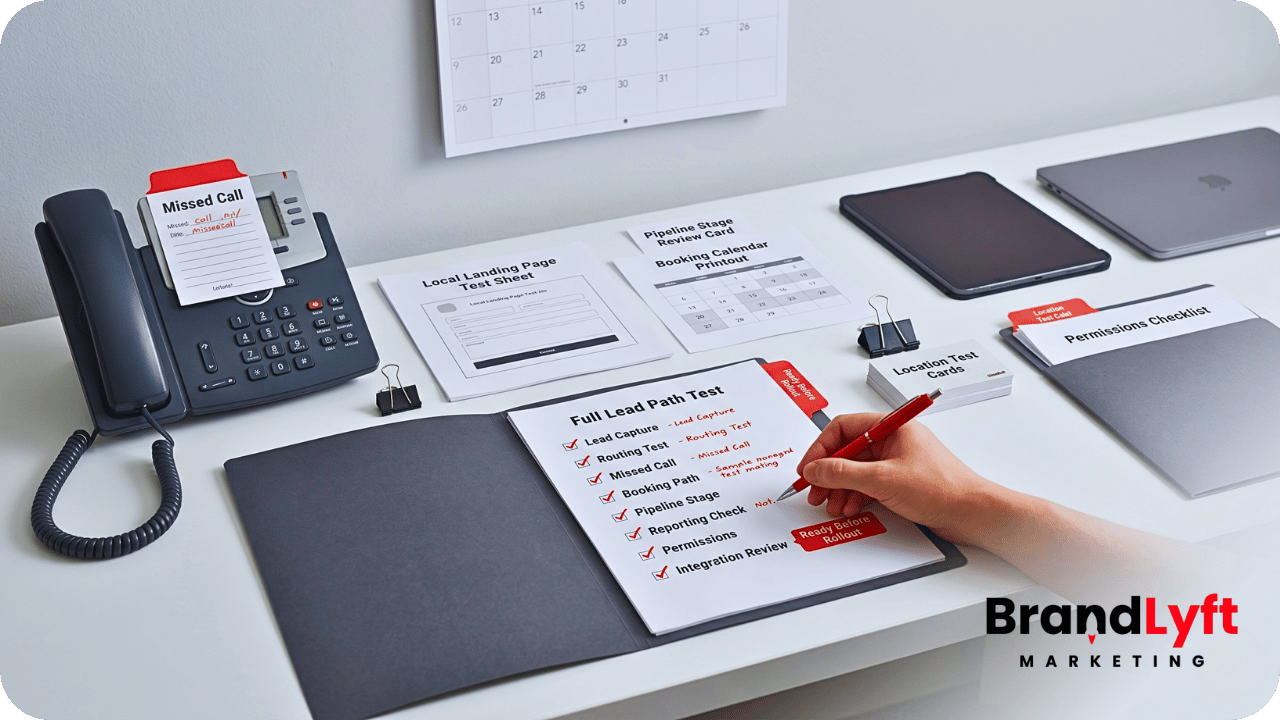
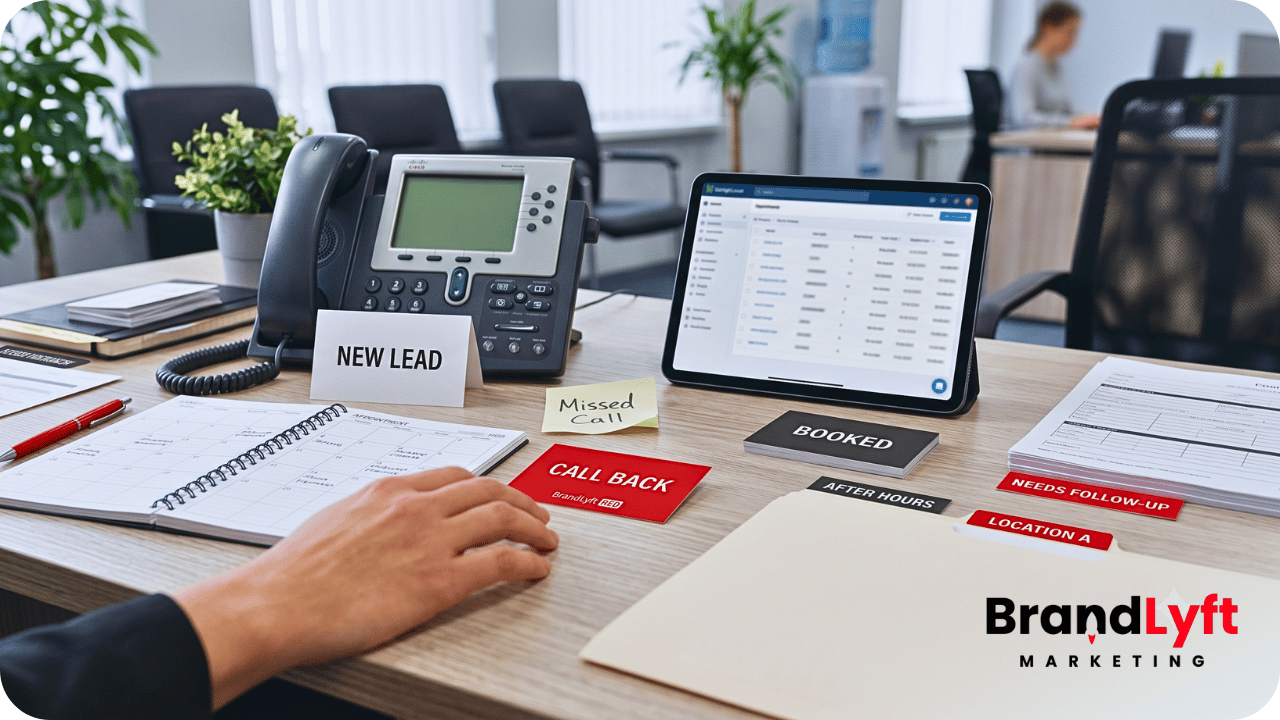
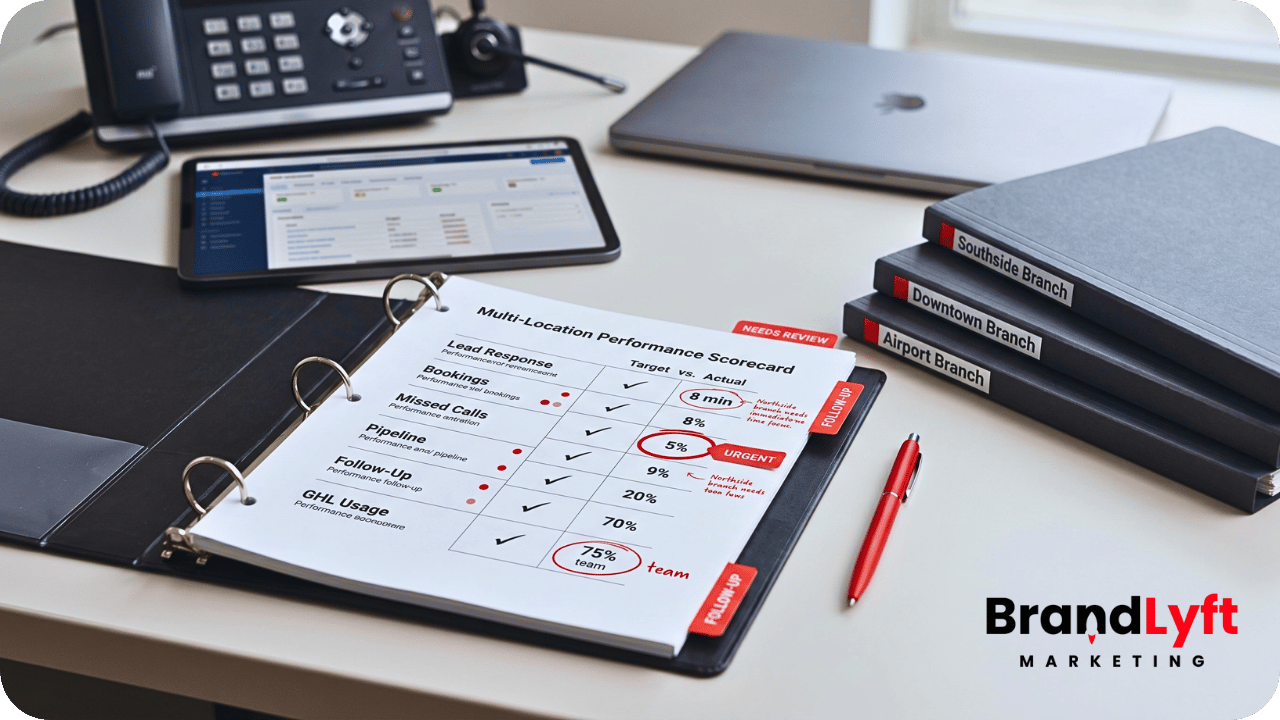
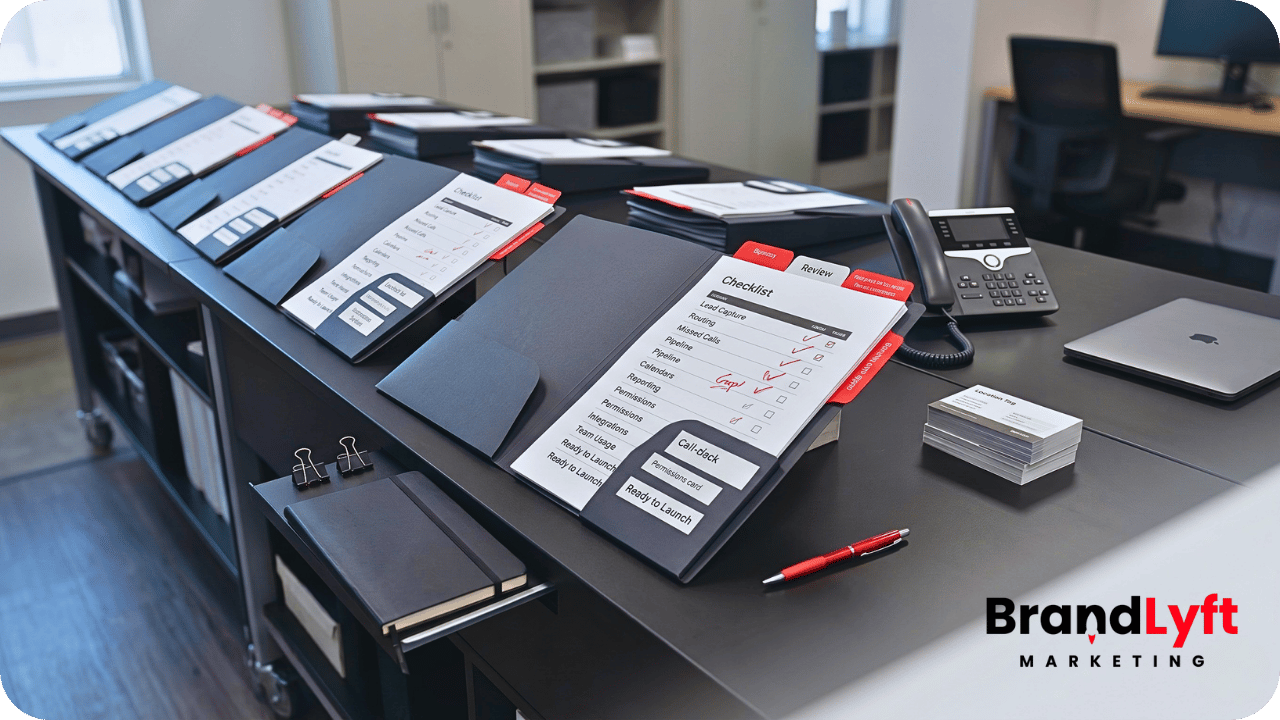
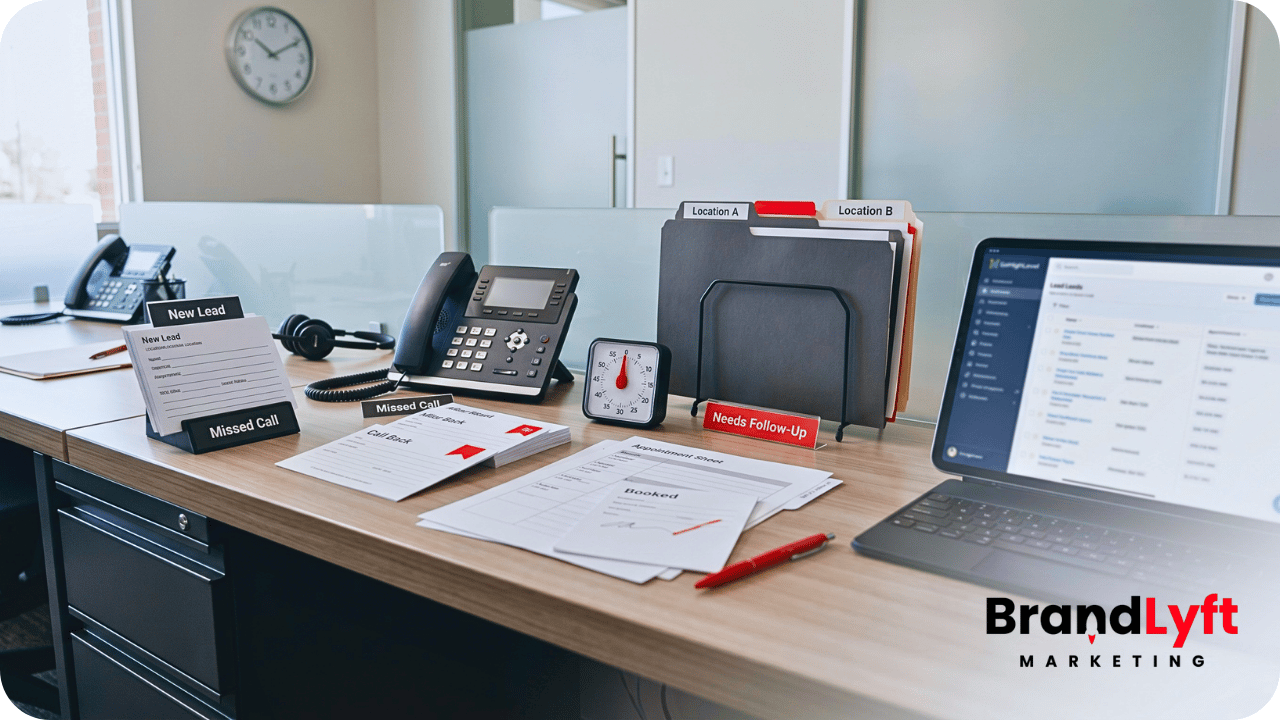
    GoHighLevel multi-location setup checklist showing lead capture routing missed calls reporting integrations and team usage across locations

    The goal is not to make the account more complicated.

    The goal is to stop weak setup decisions from getting copied across the franchise.

    If one location has messy routing, five more locations will not fix it. If the pipeline already feels unclear, adding more users will make it harder to trust. If corporate cannot see what each team does with every lead, more dashboards may only create more noise.

    Before you add more locations, fix the system you already have.

    Check the Setup Before You Copy It Wider

    The Franchise GHL Optimization Map helps franchise and multi-location teams review lead capture, booking, routing, follow-up, reporting, integrations, and location handoff before more locations inherit the same gaps.

    Run the Location Check
    Use the GHL Playbook

    Why a GoHighLevel Multi-Location Setup Needs a Checklist Before Expansion

    A GoHighLevel multi-location setup gets harder to fix after more branches, users, campaigns, and local workflows enter the account.

    Early setup gaps are easier to ignore when only a few locations use the system.

    A manager can manually reassign a lead. Corporate can ask one location for an update. Someone can fix a bad pipeline stage by hand. A missed call can get handled with a quick text from a local phone.

    That kind of manual cleanup does not scale.

    Once the franchise adds more locations, every unclear rule creates more drag. The team has more records to review, more staff to train, more dashboards to explain, more workflow branches to test, and more exceptions to track.

    This is why the checklist matters.

    It gives leadership a practical way to review the account before more locations get added. It also helps separate small cleanup from deeper rebuild work.

    BrandLyft’s earlier article on GoHighLevel multi-location setup explains why deployments stall. This checklist focuses on what to fix before the next expansion step.

    Checklist Item 1: Clean Up Lead Capture Before Adding More Locations

    Lead capture is the first place to check.

    Every location should receive leads from clean, trackable entry points. That may include website forms, local landing pages, paid ads, calls, missed calls, chat widgets, booking pages, referral forms, lead magnets, or third-party sources.

    The problem starts when those sources enter GHL differently.

    One form may capture location correctly. Another may miss the service area. A paid campaign may pass campaign data but not location data. A missed call may create a contact without enough context. A local landing page may skip the fields corporate needs for reporting.

    That creates bad follow-up later.

    Before more locations go live, review every lead source and ask:

    • Does the lead enter the right GHL account or location structure?
    • Does the form collect enough information to route the lead?
    • Does source tracking stay attached to the contact?
    • Does the lead create the right opportunity?
    • Does the right location receive the alert?
    • Can corporate report on the lead source later?

    If the answer is unclear, fix lead capture first.

    A weak form setup or messy call source will not improve when more locations copy it. It will only create more contacts that no one can trust.

    Checklist Item 2: Fix Location Routing Before More Leads Hit the Account

    Routing is the second checkpoint.

    A lead entering GHL is not enough. The system has to know which location owns it, who should respond, and what happens if the first owner does not act.

    Franchise routing often gets messy because real territories are not simple.

    Some teams route by ZIP code. Others route by nearest branch, city, region, service area, owner group, appointment type, staff availability, or local capacity. Some leads sit between two locations. Some leads come from corporate campaigns with incomplete location data.

    If the routing rule is loose, the local team has to guess.

    That guesswork becomes more expensive as the franchise grows.

    Before expanding your GoHighLevel multi-location setup, test lead routing across real lead paths. Submit a lead from a corporate page, a local page, a paid ad, a missed call, a referral source, and a booking request. Then check where each lead lands.

    The right test is not “Did the workflow fire?”

    The right test is “Did the correct location get a lead it can actually work?”

    BrandLyft’s article on GoHighLevel lead routing for franchises goes deeper on this handoff. For this checklist, the point is simple: do not add locations until routing rules match how the franchise really operates.

    Checklist Item 3: Review Missed-Call Follow-Up by Location

    Missed calls can leak revenue quietly.

    A buyer may not fill out a form or wait for a nurture sequence. They may call the nearest location, expect a quick answer, and move on if nobody responds.

    For a multi-location brand, missed-call recovery needs more than one generic text.

    The system should show which location missed the call, who should call back, how fast the follow-up happened, and what happened after that. It should also help corporate spot patterns.

    One branch may miss calls during lunch. Another may miss them after 5 p.m. A third may miss weekend calls. A fourth may reply quickly but never update the pipeline.

    Those are different problems.

    Before adding more locations, check the missed-call path:

    • Does a missed call trigger a text quickly?
    • Does the right location get the callback task?
    • Does a manager see missed calls that sit too long?
    • Does the missed call create or update the right opportunity?
    • Does reporting show missed calls by location?
    • Does the workflow stop once the lead books or gets handled?

    Speed matters, but ownership matters more.

    BrandLyft’s article on speed-to-lead automation for franchises is the natural next read for teams that need a stronger first-response and missed-call recovery path.

    Checklist Item 4: Standardize Pipeline Stages Before the Next Rollout

    Pipeline stages should mean the same thing across every location.

    This sounds basic, but it breaks often.

    One location may move a lead to “Contacted” after an automated text. Another may wait until a live phone call happens. Another may skip the stage entirely. A manager may close opportunities differently from a sales rep. A front desk team may book appointments but never move the opportunity.

    When that happens, reporting starts losing trust.

    Before more locations join the system, define what each pipeline stage means. Then check whether local teams can follow that definition during real work.

    A useful pipeline review should ask:

    • Which stages are required for every location?
    • Which stages are optional by service line or offer?
    • What exact action moves a lead from one stage to the next?
    • Who moves the opportunity?
    • What stages trigger automation?
    • What stages should show up in owner-level reporting?

    HighLevel’s documentation on understanding pipelines explains how pipelines organize opportunities and stages. For franchise teams, the bigger job is making those stages mean the same thing across the brand.

    If stages are unclear now, more locations will not make them clearer.

    Checklist Item 5: Check Calendar and Booking Rules by Location

    Calendar setup can look finished before it works in real life.

    A location may have a calendar in GHL, but that does not mean the booking path matches the branch’s hours, staff, service types, appointment length, or availability.

    Booking problems show up fast when a franchise expands.

    A lead may route to one location but receive another location’s calendar. A buyer may book a service the branch does not offer. A same-day request may go to a team that cannot handle it. A local staff member may receive a booking without enough context.

    Before adding more locations, test booking paths by location.

    Check the form, workflow, calendar link, confirmation message, reminder, no-show path, and reporting view. The whole path should match the local operating model.

    HighLevel’s calendars and appointments resources cover the platform mechanics. Franchise teams still need to decide how each branch should book, confirm, reschedule, and follow up.

    A clean GoHighLevel multi-location setup should not send every buyer into one generic booking path.

    Checklist Item 6: Fix Reporting Visibility Before Leadership Loses Trust

    Reporting is one of the clearest signs that a setup is not ready to scale.

    Owners should not have to chase managers for basic answers.

    Which location responded fastest? Which one missed calls? Which one booked the most leads? Which pipeline stages stall? Which team follows up after no answer? Which locations actually use GHL?

    If the account cannot answer those questions, the reporting layer needs work before more locations get added.

    Bad reporting usually starts with bad inputs.

    If lead sources are inconsistent, location routing is unclear, pipeline stages mean different things, and local teams work outside the CRM, dashboards will not solve the trust problem. They will only make the inconsistency easier to see.

    Before expansion, review:

    • Lead response by location
    • Booked vs. unbooked leads
    • Missed calls and callback status
    • Pipeline movement by branch
    • Overdue tasks
    • Stale opportunities
    • Local team activity
    • CRM adoption by location

    HighLevel’s dashboard permissions documentation shows how access can be controlled by role or user. For multi-location teams, permissions should match the reporting model so corporate, regional managers, and local teams see the right level of data.

    BrandLyft’s article on GoHighLevel reporting for multi-location brands breaks down what owners need to see across every location.

    Checklist Item 7: Review User Roles, Permissions, and Assigned Data

    User access is not just an admin detail.

    In a franchise GHL setup, access design affects daily work.

    Local reps need to see the leads and tasks they own. Managers need enough visibility to coach and catch missed follow-up. Regional leaders may need a group of locations. Corporate needs cross-location reporting without getting buried in local noise.

    If permissions are too loose, teams see too much. If they are too tight, people miss the context needed to act.

    Before adding more locations, check user roles and assigned data.

    Review who can see contacts, conversations, opportunities, workflows, calendars, dashboards, and pipeline records. Then check whether that access matches how the franchise actually works.

    HighLevel’s support docs on user roles, permissions, and assigned data explain how sub-account access can restrict visibility and control tools such as workflows.

    That matters before expansion because every new location adds more users, more records, and more permission decisions.

    Do not wait until the account is full of confused users before cleaning access rules.

    Checklist Item 8: Check Team Usage Before Training More Locations

    Training more locations does not fix a system that current teams do not use correctly.

    Before the next rollout, look at how active locations actually work inside GHL.

    Do they call from the system? Do they reply inside conversations? Do they move opportunities? Do they complete tasks? Do they leave notes? Do they update appointment outcomes? Do they handle no-answer follow-up inside the CRM?

    If one location uses GHL daily and another treats it as a notification tool, expansion will widen the gap.

    This is where corporate teams often misread the problem.

    They assume the issue is training. Sometimes it is. Other times, the workflow does not match daily work. The pipeline has too many stages. The booking path is confusing. The reporting view does not help local managers. The team does not know which system owns the next action.

    BrandLyft’s article on GoHighLevel for franchises and location usage covers this adoption problem in more depth.

    For this checklist, the rule is simple: do not train more locations on a process your current locations do not follow.

    Checklist Item 9: Clean Up Integrations Before They Create More Duplicate Work

    Many franchise teams use GHL alongside other systems.

    A booking platform may hold appointments. A job system may hold service outcomes. A membership platform may hold customer status. An ad platform may hold campaign data. A custom database may hold location records.

    That is not automatically a problem.

    The problem starts when no one defines which system owns which part of the handoff.

    Before adding more locations, review how GHL connects with other tools. Look for duplicate contacts, missing location IDs, broken booking status updates, unclear job outcomes, stale membership data, and reporting gaps.

    HighLevel’s inbound webhook workflow trigger can receive data from outside applications into workflows. Its webhook and API options can support integration paths, but the franchise still needs business rules before the connection is useful.

    BrandLyft’s article on GoHighLevel integrations for franchise brands explains why integrations should protect the handoff, not just move data between tools.

    A weak integration copied to more locations becomes harder to unwind later.

    Checklist Item 10: Clarify the Corporate-to-Local Handoff

    A GoHighLevel multi-location setup needs a clear handoff between corporate and local teams.

    Corporate may own campaigns, templates, dashboards, brand standards, reporting, and system rules. Local teams usually own calls, replies, bookings, notes, show-up handling, and real customer conversations.

    Both sides need to know where their responsibility starts and ends.

    Without that clarity, leads get stuck between teams.

    Corporate assumes the location is working the lead. The location assumes the workflow handled it. A manager assumes the rep responded. The rep assumes the buyer booked. The dashboard shows activity, but no one owns the outcome.

    Before adding more locations, document the handoff in plain language.

    Who owns new leads? Who owns first response? Who owns missed calls? Who owns bookings? Who owns no-shows? Who owns stale opportunities? Who reviews local reporting? Who fixes workflow issues? Who decides when a location is ready to go live?

    BrandLyft’s article on GoHighLevel for franchises deployment is useful here because deployment needs shared structure and location-level ownership, not just another copied setup.

    Checklist Item 11: Test the Full Lead Path Before the Next Location Goes Live

    The final checklist item is a full lead-path test.

    Do not only check workflows one by one.

    Test the buyer journey from entry to outcome.

    Submit a test lead through each major source. Call the location after hours. Trigger a missed call. Book an appointment. Reply to the first automated message. Let a task become overdue. Move an opportunity through the pipeline. Check what corporate can see afterward.

    The goal is to find the breaks before the next location copies them.

    A full test should answer:

    • Did the lead enter with clean source data?
    • Did the right location receive it?
    • Did the right person get the next action?
    • Did the first response happen fast enough?
    • Did the booking path match the location?
    • Did the pipeline update correctly?
    • Did reporting show what happened?
    • Did the fallback path catch stalled activity?

    If the account fails this test, the next location should wait.

    That delay is not wasted time. It prevents the franchise from copying a broken handoff into another branch.

    What BrandLyft Looks For Before a Multi-Location GHL Expansion

    When BrandLyft reviews a GoHighLevel multi-location setup, the first question is not “Can we add another location?”

    The better question is “Should this setup be copied yet?”

    A review may cover lead capture, routing, missed-call recovery, pipeline stages, calendars, reporting, permissions, user roles, team usage, integrations, workflow naming, templates, source tracking, and fallback rules.

    The review may show that the account only needs cleanup.

    It may show that some workflows need tightening. It may show that reporting needs better inputs. It may show that each location needs a clearer owner. It may also show that the current setup was patched too many times and needs deeper rebuild work before expansion.

    That distinction matters.

    A franchise does not need to slow down for the sake of being careful. It needs to slow down when speed would copy the same operational mistakes into more locations.

    BrandLyft’s GoHighLevel for Franchises team helps franchise and multi-location brands review the system before the same gaps spread wider.

    Do Not Add Locations to a Setup You Do Not Trust Yet

    Use the GoHighLevel Implementation Playbook to review workflows, routing, calendars, permissions, pipelines, reporting, integrations, and launch readiness before the next location goes live.

    Use the Setup Playbook
    Review the Expansion Path

    FAQ About GoHighLevel Multi-Location Setup

    What should a GoHighLevel multi-location setup include?

    A GoHighLevel multi-location setup should include clean lead capture, location routing, missed-call recovery, standard pipeline stages, calendar rules, reporting visibility, user permissions, team usage rules, integrations, and a clear corporate-to-local handoff.

    When should a franchise clean up GHL before adding more locations?

    A franchise should clean up GHL before adding more locations when current branches use the system inconsistently, leads need manual reassignment, reporting feels hard to trust, missed calls sit too long, or local teams work outside the CRM.

    Should every location use the exact same GHL setup?

    Every location should follow the same core structure, but not every detail has to be identical. The franchise may need location-specific calendars, users, service areas, routing rules, and staffing logic while keeping shared reporting and pipeline definitions consistent.

    Can BrandLyft help review a live GHL account before expansion?

    Yes. BrandLyft can review a live GHL account before more locations get added. The review should look at the full handoff from lead capture to routing, follow-up, booking, pipeline movement, reporting, team usage, and integrations.

    The Real Checklist Question: Should This Setup Be Copied?

    A GoHighLevel multi-location setup does not fail only because more locations get added.

    It fails when the franchise copies a setup that was already unclear.

    Before the next rollout, look at the account honestly.

    Can every location capture leads cleanly? Can the right branch receive the lead? Can missed calls trigger real follow-up? Can pipeline stages mean the same thing everywhere? Can owners see what happens after a lead arrives? Can local teams use the system without creating side processes? Can integrations protect the handoff instead of adding duplicate work?

    If the answer is yes, expansion gets safer.

    If the answer is no, the next location may only make the problem harder to fix.

    Do the cleanup first.

    Then add locations to a system the franchise can actually trust.
  • Speed-to-Lead Automation for Franchise Teams Already Using GoHighLevel

    Speed-to-Lead Automation for Franchise Teams Already Using GoHighLevel

    Speed-to-Lead Automation for Franchise Teams Already Using GoHighLevel

    Speed-to-lead automation for franchises usually breaks when the first response happens fast, but the real follow-up still does not belong to anyone.

    The franchise may already use GoHighLevel. Forms may feed into GHL. Texts may send automatically. Workflows may notify local teams. Calendars may exist. Pipelines may track new leads.

    Still, owners keep seeing the same problem.

    Some locations respond quickly. Others let leads sit. Missed calls do not always get recovered. Booking links do not always match local availability. After-hours leads get generic messages. Corporate sees activity but not true response ownership.

    That is not a “you need GHL” problem.

    It is a speed-to-lead system problem inside a franchise setup that already has GHL.

    For franchise and multi-location teams, fast automation only matters when the right location receives the lead, the right person owns the next step, and the system catches the lead before it goes cold.

    A text message sent in seconds is not enough.

    The better question is what happens after that first message.

    Who calls? Who books? Who follows up when the buyer does not answer? What happens after a missed call? What happens after hours? What does leadership see by location?

    Speed-to-lead automation for franchises has to answer those questions before it can protect revenue across multiple locations.

    Build the First Response Before the Lead Goes Cold

    The GoHighLevel Implementation Playbook helps franchise teams review the workflows, routing rules, booking paths, and follow-up systems that need to work before more locations copy the same gaps.

    Use the GHL Playbook
    Review the Response Path

    Why Speed-to-Lead Automation for Franchises Breaks After GHL Goes Live

    Speed-to-lead automation for franchises breaks when the setup focuses on sending messages instead of owning the first few minutes.

    That distinction matters.

    A workflow can send a text. It can send an email. It can notify a user. It can move an opportunity. It can assign a task. Those actions help, but they do not automatically create local accountability.

    Franchise teams need more than automatic activity.

    They need a response path that matches how each location actually works.

    One location may have a front desk team. Another may route new leads to a manager. Another may rely on a sales rep. Another may take calls after hours through a call center or AI voice system. Another may only book during certain service windows.

    If the same speed-to-lead workflow treats every branch the same, the setup may respond fast and still create confusion.

    That is why BrandLyft’s Speed to Lead work focuses on more than quick replies. The real work is building the response path behind the reply.

    What Speed-to-Lead Automation for Franchises Should Do First

    Speed-to-lead automation for franchises should identify the lead, route it to the right location, start the right first response, and create a clear next action for the local team.

    That sounds simple until multiple locations enter the account.

    A single-location setup can usually survive a loose rule. A franchise cannot.

    The system needs to know which branch owns the lead. It needs to know when that branch should respond. It needs to know which contact method to use first. It also needs to know what happens when no one answers, no one books, or the location misses the first step.

    A clean first-response path usually includes four parts.

    • Lead capture that brings in clean source and location data.
    • Routing rules that send the lead to the right location or owner.
    • Automation that sends the first message and creates the next action.
    • Escalation rules that catch stalled leads before they disappear.

    Without those parts, the workflow may look busy while the franchise keeps losing response consistency.

    BrandLyft’s GoHighLevel for Franchises service fits this kind of work because franchise GHL systems need location rules, team behavior, and follow-up ownership built into the setup from the start.

    speed-to-lead automation for franchises using GoHighLevel to route leads recover missed calls and track follow-up

    Gap 1: Leads Route Fast, But Not Always to the Right Location

    Fast routing only helps when the right location gets the lead.

    A franchise can send an instant text and still fail the buyer if the wrong branch receives the alert. The local team may not know the customer. The service area may not match. The booking calendar may be wrong. The lead may need a different location based on ZIP code, service type, market, or availability.

    This is where many GHL accounts look better than they perform.

    The workflow fires. The notification goes out. The pipeline updates. But the lead still needs manual sorting because the routing rule is too generic.

    Speed-to-lead automation for franchises should connect response speed with location logic.

    That may mean routing by ZIP code, nearest location, market, appointment type, service area, ownership group, campaign source, or local availability. The best rule depends on how the franchise operates.

    BrandLyft’s article on GoHighLevel lead routing for franchises covers this handoff problem more deeply. For speed-to-lead work, routing is the first test. If the lead lands in the wrong place, fast automation only makes the wrong handoff happen sooner.

    Gap 2: The First Message Sends, But No One Owns the Reply

    Many franchise teams think the first automated text solves speed-to-lead.

    It does not.

    The first message starts the conversation. It does not finish the handoff.

    A lead may reply with a question. They may ask about pricing. They may want the closest location. They may need to reschedule. They may ask for a call. They may respond after hours. They may answer a day later when the local team has already moved on.

    If no one owns the reply, the buyer still gets a slow experience.

    HighLevel workflows can send automated SMS messages, and its documentation explains how the Send SMS action works inside workflows. That tool helps with first response, but the franchise still needs a rule for who watches the conversation after the message goes out.

    That rule should be plain.

    Who replies during business hours? Who watches after hours? Who handles pricing questions? Who books? Who takes over when the original owner is unavailable? Who closes the loop when the lead stops responding?

    The strongest speed-to-lead systems treat the first automated message as the opening move, not the whole response plan.

    Gap 3: Missed Calls Do Not Trigger a Real Recovery Path

    Missed calls are one of the biggest speed-to-lead leaks for franchise teams.

    A buyer may not fill out a form. They may not wait for a nurture sequence. They may just call.

    When the location misses that call, the clock starts immediately.

    A weak setup sends a generic “sorry we missed you” text and stops there. A stronger setup treats the missed call as a serious lead event.

    That means the system should create a recovery path.

    The missed call should trigger a fast text, a call-back task, a local manager alert when needed, and a follow-up sequence if the buyer does not respond. It should also attach the missed call to the right location, pipeline, and source when possible.

    For a franchise, the missed-call path has to work by location.

    One branch may miss calls during lunch. Another may miss calls after closing. Another may miss calls during high-volume weekends. Another may need overflow support from a call center, AI voice assistant, or regional team.

    If reporting only shows total missed calls, corporate may miss the location pattern.

    Speed-to-lead automation for franchises should help owners see which locations recover missed calls and which ones let them go cold.

    Gap 4: Booking Links and Calendars Do Not Match Local Availability

    A fast reply can still create friction if the booking path is wrong.

    This happens when a lead receives a booking link that does not match the local team, service type, time zone, staff availability, or appointment rules.

    The message may go out instantly. The buyer may click. Then the booking step creates confusion.

    Maybe the location does not offer that service. Maybe the calendar has no real availability. Maybe the appointment goes to the wrong staff member. Maybe the buyer books with one branch while another branch owns the lead.

    That slows the sale even though the automation worked on paper.

    HighLevel’s calendars and appointments resources cover the booking side of the platform. For franchise teams, the real issue is making the calendar layer match the local operating model.

    Speed-to-lead automation for franchises should connect the first response to the right booking path.

    That may mean different calendars by location, service, staff type, appointment length, region, or campaign source. It may also mean fallback booking paths for after-hours leads or overloaded teams.

    Fast response should reduce friction. It should not send buyers into the wrong calendar.

    Gap 5: After-Hours Leads Get Generic Follow-Up

    After-hours leads often expose weak automation.

    During business hours, a local team may catch the lead manually. After hours, the workflow has to carry more weight.

    A generic message may keep the lead warm for a moment, but it may not be enough.

    Buyers may want to book now. They may need a quick answer. They may be comparing locations. They may expect a reply before the next business day. They may need emergency, urgent, or high-intent handling depending on the franchise model.

    After-hours automation should not pretend every lead has the same urgency.

    The system should account for lead source, service type, location, time, and next step. A new consultation lead may need a booking link. A missed call may need a call-back task. A high-intent form may need manager notification. A low-intent guide download may need nurture instead of immediate sales pressure.

    That is where GHL can help when the workflow logic is clear.

    HighLevel’s trigger links can record clicks in the contact activity timeline and trigger workflow actions. That can help teams see who clicked a booking link, pricing page, or next-step resource after the first message.

    For franchises, click activity only matters when someone owns the follow-up after the click.

    Gap 6: Escalation Rules Are Missing

    Speed-to-lead systems need escalation.

    Many franchise workflows assume the first assigned person will respond. Real teams do not work that cleanly every day.

    People miss notifications. Phones get busy. A manager steps away. New employees forget the process. One branch gets overloaded. Another loses track of tasks. A lead replies after the assigned person leaves for the day.

    Without escalation, the workflow can start strong and still lose the lead.

    A practical escalation path should answer a few questions.

    How long can a new lead sit without a human response? Who gets alerted when that window passes? Should the lead move to a different owner? Should a manager get a task? Should corporate see overdue leads by location? Should the workflow change after business hours?

    The answer does not need to be complicated.

    It needs to be clear enough that stuck leads surface before they become lost leads.

    BrandLyft’s Revenue System Build service often comes into play when escalation, pipeline movement, reporting, and follow-up logic all need to work together instead of living in separate workflows.

    Gap 7: Automation Does Not Separate New Leads From Existing Contacts

    Franchise teams often treat every form submission like a new lead.

    That can create bad follow-up.

    An existing customer may fill out a form again. A past member may ask about coming back. A current client may request a new appointment. A previous estimate may return through a paid ad. A buyer may call and submit a form in the same hour.

    If the system treats all of those people the same, the message may feel wrong.

    A current customer should not always receive a new-lead script. A returning lead may need a different offer. A lapsed member may need reactivation. A repeat buyer may need a booking path, not a long intro sequence.

    Speed-to-lead automation for franchises should account for contact history when the data supports it.

    That can include tags, pipeline stage, customer status, membership status, past appointment status, location history, or previous campaign source.

    This does not mean every franchise needs advanced personalization on day one.

    It means the system should avoid obvious mismatches that make the brand look disconnected.

    Gap 8: Local Teams Work Around GHL After the First Alert

    Automation can start the process, then local behavior can break it.

    A lead enters GHL. The workflow sends a notification. A local rep calls from a personal phone. The conversation continues in a text thread outside GHL. The appointment gets noted in another system. The pipeline never updates.

    From the buyer’s point of view, the location may have responded.

    From the owner’s point of view, the system now has a blind spot.

    This is why speed-to-lead cannot stop at the first alert. The setup also needs clean local usage rules.

    Local teams should know where to call from, where to leave notes, when to move the opportunity, what to do after a reply, and how to close the loop after booking.

    BrandLyft’s article on GoHighLevel for franchises and location usage connects directly to this problem. Speed-to-lead automation only stays useful when local teams keep working inside the system after the first notification.

    Gap 9: Owners Cannot See Response Performance by Location

    Speed-to-lead needs reporting.

    Owners should not have to ask every manager who responded, who booked, who missed calls, or who let leads sit.

    The reporting should show that.

    At minimum, franchise teams should be able to review new leads by location, response time, booked appointments, missed calls, overdue tasks, stale opportunities, no-answer follow-up, and team activity.

    That kind of reporting helps owners see the difference between lead quality and follow-up quality.

    A location may complain about bad leads when the real issue is slow response. Another may look weak on lead volume but strong on booking rate. A third may have a missed-call problem. A fourth may work leads outside the CRM.

    Without location-level reporting, corporate has to guess.

    Speed-to-lead automation for franchises should create the data leaders need to see which locations respond well and which ones need help.

    BrandLyft’s article on GoHighLevel reporting for multi-location brands is a strong next read because response speed only matters when owners can see the result across every location.

    How to Audit Speed-to-Lead Automation for Franchises

    A speed-to-lead audit should follow a real lead path, not just scan the workflow list.

    Pick several lead types and test them.

    Use a paid ad lead, website form, local landing page form, missed call, after-hours form, returning contact, and booking request. Then follow each one from entry to outcome.

    During the audit, ask direct questions.

    • Which location receives the lead?
    • How fast does the first message go out?
    • Who owns the conversation after the first message?
    • Does the right person get a task or notification?
    • Does the booking link match the right location?
    • What happens when the lead does not answer?
    • What happens after a missed call?
    • Who gets alerted when the lead stalls?
    • Can owners see response performance by location?

    That test usually reveals the real gap.

    Sometimes the workflow works, but routing is weak. Sometimes routing works, but the local team does not own replies. Sometimes the first message works, but no-answer follow-up fails. Sometimes the booking path creates friction. Sometimes reporting cannot prove what happened.

    The fix depends on where the lead path breaks.

    That is why BrandLyft reviews speed-to-lead automation as a handoff path, not just a message sequence.

    What BrandLyft Looks For in a Speed-to-Lead Cleanup

    When BrandLyft reviews speed-to-lead automation for franchises, the first question is not “Did the workflow send a text?”

    The better question is “Did the right location take ownership fast enough to move the buyer forward?”

    A cleanup may review lead sources, forms, call tracking, missed calls, routing rules, contact assignment, pipeline stages, SMS/email timing, task creation, calendar links, after-hours logic, no-answer follow-up, escalation, reporting, and local team usage.

    It may also review where automation should stop.

    That part matters.

    Automation should support the first response. It should not hide the need for human follow-up when the buyer is ready to talk.

    Some franchise leads need a quick booking link. Some need a real call. Some need a manager alert. Some need a softer nurture path. Some need a missed-call recovery flow. Some need to route to a different location before any message goes out.

    BrandLyft looks for that decision logic.

    If the franchise already uses GHL but response still feels inconsistent, the account may not need more automation. It may need cleaner response rules, better routing, and stronger location accountability.

    BrandLyft’s GoHighLevel Partner team can review the account when GHL is already live but first-response, booking, and follow-up behavior still feel unreliable.

    Fast Automation Should Still Create Clear Ownership

    Use the GoHighLevel Implementation Playbook to review your workflows, response rules, booking paths, missed-call recovery, and location handoff before leads keep slipping between teams.

    Check the First Response
    Walk Through the Workflow

    FAQ About Speed-to-Lead Automation for Franchises

    What is speed-to-lead automation for franchises?

    Speed-to-lead automation for franchises is the workflow logic that helps a franchise respond to new leads quickly across multiple locations. It can include instant texts, email follow-up, routing, missed-call recovery, booking links, tasks, alerts, and escalation rules.

    Does GoHighLevel speed-to-lead automation replace local follow-up?

    No. GoHighLevel can support fast first response, but local follow-up still needs ownership. A franchise should know who watches replies, who calls, who books, who follows up after no answer, and who handles stalled leads.

    Why do franchise teams still lose leads after adding automation?

    Franchise teams lose leads when automation sends messages but does not connect routing, ownership, booking, missed-call recovery, after-hours logic, escalation, and reporting. The system may look active while the buyer still waits.

    What should franchise owners track in speed-to-lead reporting?

    Owners should track response time by location, missed calls, booked appointments, no-answer follow-up, overdue tasks, stale opportunities, reply ownership, and local team activity. Those signals show whether the first-response system works across locations.

    The Real Goal Is a Faster, Cleaner Handoff

    Speed-to-lead automation for franchises is not just about sending a message quickly.

    The real goal is a faster, cleaner handoff.

    The lead enters. The system identifies the right location. The first response goes out. The right person gets the next action. The booking path matches the buyer. Missed calls get recovered. Stalled leads surface before they go cold. Owners can see the result by location.

    That is the standard.

    If a franchise already uses GoHighLevel but still sees slow response, missed calls, unclear ownership, or weak follow-up across locations, the issue may not be the platform.

    The issue may be the response model inside the platform.

    Better speed-to-lead automation does not just create activity.

    It helps every location act faster, follow the same response rules, and give owners a clearer view of what happens after a lead raises a hand.

  • GoHighLevel Reporting for Multi-Location Brands: What Owners Need to See Across Every Location

    GoHighLevel Reporting for Multi-Location Brands: What Owners Need to See Across Every Location

    GoHighLevel Reporting for Multi-Location Brands: What Owners Need to See Across Every Location

    GoHighLevel reporting for multi-location brands often looks active before it tells the owner anything useful.

    The account may show new leads, appointments, pipeline stages, messages, tasks, and workflows. A dashboard may have numbers. Local teams may say they are using the system.

    Yet the owner still has to ask basic questions.

    Which locations respond fast? Which ones let leads sit? Who books the most appointments? Where do opportunities stall? Which teams follow up after no answer? Which locations work inside GHL, and which ones quietly work around it?

    That is the reporting problem.

    GoHighLevel reporting for multi-location brands showing owner visibility across lead response bookings pipeline movement and location adoption

    For a single-location business, basic activity reporting may be enough for a while. For a franchise or multi-location brand, basic activity does not tell the full story. Owners need to see what each location does with the leads after they enter the system.

    If GoHighLevel captures the lead but leadership cannot see response speed, booking outcomes, pipeline movement, follow-up activity, missed opportunities, and location-level adoption, the setup still has work to do.

    The tool may be live. The account may be busy. The reports may still fail the owner.

    Can You See What Every Location Is Actually Doing?

    The Franchise GHL Optimization Map helps multi-location teams review routing, bookings, follow-up, reporting, and adoption before weak visibility turns into missed revenue.

    Find the Reporting Gaps
    Pressure-Test Visibility

    Why GoHighLevel Reporting for Multi-Location Brands Gets Misread

    GoHighLevel reporting for multi-location brands gets misread when the owner looks at account activity instead of location performance.

    Activity only tells part of the story.

    A workflow fired. A message went out. A lead moved into the pipeline. Someone booked an appointment. Those details matter, but they do not always show whether each location follows the same process.

    One location may respond within five minutes. Another may wait until the next day. One manager may update every pipeline stage. Another may leave records untouched. One team may work tasks in GHL. Another may text from personal phones and leave the CRM half-empty.

    The dashboard may count all of that as account activity. The owner needs more than that.

    Multi-location reporting should help leadership compare location behavior, not just count total actions across the account.

    This is why BrandLyft’s GoHighLevel for Franchises work focuses on how the system gets used across locations, not just whether the account exists.

    What Owners Need From GoHighLevel Reporting for Multi-Location Brands

    Owners do not need another dashboard full of disconnected numbers.

    They need reporting that answers the questions they already ask in meetings, Slack threads, calls, and spreadsheets.

    Where did the lead come from? Which location received it? How fast did the team respond? Did someone book the appointment? Did the lead move through the pipeline? Did follow-up continue after no answer? Did the location update the opportunity? Did the team use GHL or work outside it?

    Good GoHighLevel reporting for multi-location brands should help owners see those answers without chasing each manager manually.

    That does not mean every owner needs a giant reporting build.

    It means the reporting has to match the operating model. A franchise with ten locations does not need the same view as a company with two branches. A high-ticket appointment business does not need the same reporting as a high-volume local service brand.

    For wellness and appointment-based brands, GoHighLevel for wellness franchises should show more than activity — owners need visibility into bookings, follow-up, memberships, and local team adoption.

    The right report starts with the decisions leadership needs to make.

    Reporting Gap 1: Lead Response by Location

    Lead response is one of the first metrics owners should see by location.

    Total lead volume is useful, but it can hide local follow-up problems. A brand may generate strong lead flow while one or two locations quietly miss the window where buyers are most likely to respond.

    Owners need to see which locations respond quickly, which ones lag, and which ones leave leads untouched.

    That view should include more than “message sent.” Automated messages can create the appearance of response even when no local team member has taken ownership. A text may go out, but the lead may still need a real call, booking step, or manual follow-up.

    Speed-to-lead reporting should show the difference between system activity and human ownership.

    This is where BrandLyft’s Speed to Lead service fits naturally. Fast follow-up only works when the reporting can show who responded, how fast they responded, and where the gap appeared.

    If a dashboard only shows total new leads, the owner still has to guess which branch needs coaching.

    Reporting Gap 2: Bookings vs. Leads Received

    A location can receive leads and still fail to turn them into appointments.

    That gap matters because owners often care less about raw lead count and more about what happened next.

    Reporting should show how many leads each location received, how many turned into booked appointments, how many missed booking, and how many still need follow-up.

    Without that view, a busy location can look productive just because it has high activity. A quieter location can look weak even if it converts better.

    That creates bad decision-making.

    Owners may push more leads into a location that cannot handle them. They may blame ad performance when the booking process caused the drop. They may miss a training problem because total volume hides the issue.

    HighLevel’s calendars and appointments resources support the booking layer inside the platform. For multi-location brands, the more important question is whether the calendar data gives owners a fair location-by-location view.

    GoHighLevel reporting for multi-location brands should connect lead source, location assignment, calendar booking, and follow-up status. When those pieces stay apart, owners lose the story behind the numbers.

    Reporting Gap 3: Pipeline Movement Across Locations

    Pipeline movement tells owners whether leads actually progress.

    A lead entering GHL is not enough. An opportunity sitting in the first stage for two weeks does not help the business. A pipeline full of stale records can make the account look full while revenue slips away.

    Owners need to see how each location moves opportunities through stages.

    That includes new lead, contacted, booked, showed, no-show, won, lost, and follow-up stages when those labels fit the business. The exact stage names can change, but the reporting logic should stay clear.

    Each stage should mean the same thing across locations.

    If one branch moves a lead to “Contacted” after an automated text, while another moves it only after a live phone call, pipeline reporting loses trust. The owner may compare two locations without realizing they use different definitions.

    HighLevel’s documentation on understanding pipelines explains how pipeline stages organize opportunities. For franchise and multi-location teams, those stages only help when the business defines them clearly and every location follows the same rule.

    BrandLyft’s Revenue System Build work often becomes relevant here because messy reporting usually points to deeper issues in routing, pipeline structure, workflow ownership, and follow-up logic.

    Reporting Gap 4: Follow-Up Activity After No Answer

    Most missed opportunities do not happen at the first contact attempt.

    They happen after the first attempt fails.

    A lead does not answer. A team member leaves a voicemail. A text goes out. The buyer waits. The location gets busy. The opportunity sits.

    Owners need reporting that shows what happens after no answer.

    Did the location try again? How many touches happened? Did the workflow support the local team? Did a task get created? Did anyone close the loop? Did the lead eventually book, stall, or disappear?

    Basic activity counts do not answer those questions clearly.

    A report may show messages sent, but it may not show whether the local team followed the process. A workflow may create a task, but the owner still needs to know whether the team completed it. A pipeline may show open opportunities, but it may not show which ones already went cold.

    GoHighLevel reporting for multi-location brands should make follow-up gaps visible by location. Otherwise, the owner only sees the problem after lead quality, ad spend, or location performance starts getting questioned.

    Reporting Gap 5: Missed Calls and Missed Opportunities

    Missed calls deserve their own reporting view.

    For many local and franchise businesses, a missed call is not just a call log. It can be a missed booking, a missed consultation, a missed estimate, or a missed sale.

    Owners need to see missed calls by location, time, source, follow-up status, and outcome.

    Did the location call back? How long did it take? Did the missed call turn into a booked appointment? Did the team mark the opportunity properly? Did the same location miss calls every week?

    Those questions matter because a location can look healthy in the dashboard while phone handling quietly hurts revenue.

    Missed-call reporting also helps leadership avoid the wrong fix. If lead volume looks low, the owner may push for more ads. If the real issue sits in missed calls and weak follow-up, more ads will only create more lost chances.

    This is one reason BrandLyft’s article on a stalled GoHighLevel account pairs well with this topic. A GHL account can stay busy while leads leak through small breakdowns that reporting does not expose clearly enough.

    Reporting Gap 6: Location-Level Adoption

    Reporting should not only show what leads do.

    It should also show what teams do.

    Location-level adoption becomes one of the biggest problems after a franchise or multi-location brand launches GHL. Some teams use the CRM daily. Others only open it when corporate asks. A few may keep working from inboxes, spreadsheets, text threads, or old habits.

    Owners need to see adoption differences before they become performance differences.

    Useful adoption reporting may show task completion, pipeline updates, appointment notes, opportunity movement, response activity, user logins, missed follow-up, or location-specific process gaps.

    The goal is not to watch people for the sake of watching them. The goal is to know whether the system has become part of the local operating rhythm.

    BrandLyft’s article on GoHighLevel for franchises and location usage covers this wider adoption problem. Reporting gives owners the visibility they need to see where usage breaks down.

    If a location does not use GHL consistently, its numbers will not tell the truth.

    Reporting Gap 7: Permissions and Visibility

    Reporting does not only depend on dashboards.

    It also depends on who can see what.

    Owners, corporate teams, regional managers, location managers, sales reps, and front desk teams may all need different views. A local rep may need assigned leads and tasks. A manager may need team performance. Corporate may need cross-location comparison.

    When permissions stay too loose, people see too much noise. When permissions get too tight, the wrong people lose the context they need to act.

    HighLevel’s docs on user roles, permissions, and assigned data show how access rules affect what users can see inside a sub-account. HighLevel also documents dashboard permissions, which matter when teams need different reporting views.

    For multi-location brands, permission design should match the reporting model.

    Owners need cross-location visibility. Regional managers may need a subset of locations. Local teams need the records they own. Reporting gets harder when those roles blur.

    BrandLyft’s GoHighLevel Partner team can help review this when the account already exists but visibility, permissions, and reporting still feel messy.

    Reporting Gap 8: Dashboards That Show Data Without Decisions

    A dashboard can look impressive and still fail the business.

    Charts, tables, widgets, and totals only matter when they help owners decide what to do next.

    A useful owner dashboard should point toward action. One location needs faster response. Another needs booking support. A third needs pipeline cleanup. A fourth needs coaching because follow-up drops after the first attempt.

    If a report cannot guide action, it becomes decoration.

    HighLevel supports custom dashboards, dashboard widgets, and custom metrics. Its docs cover custom dashboard creation, dashboard widgets, and custom metrics for dashboard reports.

    Those tools can help, but the owner still needs the right reporting questions first.

    What should corporate inspect weekly? What should a regional manager review? What should a local manager fix before the next staff meeting? What should trigger a coaching conversation?

    GoHighLevel reporting for multi-location brands works best when the dashboard turns messy account activity into clear operating signals.

    How to Review Multi-Location GHL Reporting

    A reporting review should start with the buyer journey and the owner’s decision points.

    Do not begin with the dashboard layout. Begin with the moments that matter.

    Track a lead from source to location, then from response to booking, then from booking to pipeline movement, then from follow-up to outcome. Repeat that process across several locations.

    During the review, ask direct questions:

    • Can owners compare lead response by location?
    • Can corporate see booked vs. unbooked leads?
    • Can managers spot stale pipeline stages?
    • Can teams see missed calls and missed follow-up?
    • Can leadership compare location adoption?
    • Can reporting separate automation activity from human follow-up?
    • Can each role see the right data without getting buried?

    That kind of review usually exposes the real issue fast.

    Sometimes the dashboard needs cleanup. Other times, the pipeline stages lack clear meaning. In many accounts, the bigger problem comes from inconsistent local usage. The reporting looks weak because the inputs are weak.

    For teams that need cleaner data flow between GHL and other tools, BrandLyft’s CRM and app development work can support custom dashboards, integrations, webhooks, forms, apps, and cleaner reporting paths.

    What BrandLyft Looks For in a Reporting Cleanup

    When BrandLyft reviews GoHighLevel reporting for multi-location brands, the question is not “Does the account have a dashboard?”

    The better question is “Can owners see what every location does with every serious lead?”

    A reporting cleanup may review lead sources, UTM tracking, source fields, opportunity stages, pipeline definitions, user roles, assigned data, dashboard permissions, location tags, calendar activity, task completion, missed-call handling, workflow outcomes, and adoption signals.

    The work may also expose old setup decisions.

    Maybe the first location had one pipeline. Maybe later locations copied it without local rules. Maybe corporate added new dashboards before teams cleaned up the data. Maybe reports now show numbers, but no one trusts the meaning behind them.

    BrandLyft looks for the gap between account activity and owner visibility.

    If the owner cannot see lead response, bookings, pipeline movement, follow-up activity, missed opportunities, and location adoption, the system still needs refinement.

    Your Dashboard Should Show More Than Activity

    Use the Franchise GHL Optimization Map to check whether your setup gives owners real visibility across lead response, bookings, pipeline movement, follow-up, and location usage.

    Check Location Visibility
    Walk Through the Reports

    FAQ About GoHighLevel Reporting for Multi-Location Brands

    What should GoHighLevel reporting for multi-location brands show?

    GoHighLevel reporting for multi-location brands should show lead response, bookings, pipeline movement, follow-up activity, missed opportunities, and location-level adoption. Owners need to compare how each location works the system, not just see total account activity.

    Why does GHL activity not always give owners the full picture?

    Activity can show that messages, tasks, workflows, or pipeline updates happened. It may not show whether each location responded quickly, booked the lead, completed follow-up, or used the CRM consistently.

    Do multi-location brands need custom dashboards in GoHighLevel?

    Some do. A smaller multi-location team may start with cleaner pipeline views and basic dashboard cleanup. A larger franchise may need custom dashboards, role-based views, location filters, custom metrics, and clearer reporting rules.

    Can reporting problems come from poor local adoption?

    Yes. Reporting depends on clean inputs. If local teams skip stages, ignore tasks, work outside GHL, or update records differently, the dashboard may look active but still fail to tell the truth.

    The Real Goal Is Owner-Level Visibility

    GoHighLevel reporting for multi-location brands should help owners see what is happening across every location without chasing updates manually.

    The goal is not more charts.

    The goal is cleaner visibility.

    Which locations respond fast? Which ones miss booking chances? Where do leads stall? Who follows up after no answer? Which teams use the CRM properly? Which reports should corporate trust?

    When owners can answer those questions, GHL becomes more useful across the brand.

    When those answers stay hidden, the account may still look busy while the business keeps losing visibility.

    If your multi-location brand already uses GoHighLevel but still relies on manual updates, manager check-ins, spreadsheets, or gut feel to understand location performance, start with reporting.

    The issue may not be that GHL lacks activity.

    The issue may be that your owners cannot see the right activity clearly enough to act.

  • Marketing Automation for Occupational Health Clinics: Multi-Location GoHighLevel Guide

    Marketing Automation for Occupational Health Clinics: Multi-Location GoHighLevel Guide

    Marketing automation for occupational health clinics gets messy fast when every location handles employer inquiries, appointment reminders, intake, follow-up, and reporting a little differently. One clinic uses a shared inbox. Another relies on front desk sticky notes. Another has a manager who knows how to move every employer account forward, but the process lives mostly in that person’s head.

    That may work for one clinic with a small team. It breaks down once the business has several locations, employer accounts, recurring screenings, walk-ins, after-hours calls, drug testing requests, DOT physicals, workers’ comp referrals, and HR teams asking for updates.

    Marketing automation for occupational health clinics should not feel like a pile of random texts and workflows. It should create one clean operating path from inquiry to booked appointment, from visit to follow-up, and from location-level activity to owner-level visibility.

    That is where GoHighLevel can fit well. Used the right way, it can support lead capture, appointment flow, location routing, reminders, missed-call follow-up, pipeline tracking, employer reactivation, review requests, and reporting. Used halfway, it becomes another place where data gets parked but nobody fully trusts it.

    This guide breaks down how marketing automation for occupational health clinics can work across multiple locations without turning the clinic into a software project.

    Why Marketing Automation for Occupational Health Clinics Needs a Different Setup

    Occupational health clinics do not operate like a basic local service business.

    The buyer is often an employer, HR director, safety manager, staffing coordinator, risk manager, transportation company, or franchise operator. The person receiving the service may be an employee, applicant, driver, injured worker, or returning team member. The clinic has to manage both sides of that relationship without confusing the process.

    That is why marketing automation for occupational health clinics needs more than a generic CRM pipeline. The system has to sort employer inquiries, employee appointment flow, service type, location, urgency, and follow-up status.

    For example, a clinic may need separate paths for:

    Pre-employment physicals, DOT physicals, drug testing, respirator fit testing, hearing testing, vaccines, titers, workers’ comp visits, employer account inquiries, on-site service requests, and recurring compliance-related programs.

    Some of those requests are patient-facing. Some are employer-facing. Some need a same-day callback. Some need account setup. Some need documentation before the employee arrives.

    A generic “new lead” workflow is too blunt for that.

    Marketing automation for occupational health clinics should help the team know what came in, who owns it, where it belongs, and what needs to happen next.

    Where Multi-Location Clinic Systems Usually Break

    Most multi-location clinic problems do not start as major failures. They start as small workarounds.

    Quick Gut Check

    If Each Location Handles Leads Differently, Your CRM Is Already Telling You Something

    Before adding more workflows, it may be smarter to see where the handoff is breaking first. A Franchise GHL Location Usage Audit gives you a clear read on which locations are following the system, which ones are working around it, and where leads are getting stuck.

    Find the Location Gaps

    A front desk person calls an employer back manually. A location manager keeps a spreadsheet of key accounts. Appointment reminders are inconsistent. A form sends to one inbox, but the person responsible for that service works at another location. A clinic marks an inquiry complete even though the employer never received the next step.

    Over time, the system becomes harder to trust.

    Marketing automation for occupational health clinics should reduce those quiet leaks. The goal is not to automate every judgment call. The goal is to remove avoidable delay, missed handoff, and unclear ownership.

    Common issues include employer inquiries going to the wrong location, service forms that do not identify the right appointment type, missed calls with no fast text-back, no-shows with no reschedule path, pipeline stages that do not match the clinic’s real process, and reporting that shows activity without showing which locations are actually moving.

    GoHighLevel can support these pieces, but only if the setup reflects the real clinic workflow. A copied snapshot or basic template will not understand your service lines, clinic locations, employer account process, or staff responsibilities.

    Start With the Real Intake Paths

    The first step in marketing automation for occupational health clinics is mapping every front door.

    That means more than the contact page. A multi-location occupational health clinic may receive inquiries through website forms, landing pages, paid ads, phone calls, referral partners, HR emails, chat widgets, Google Business Profile clicks, repeat employer contacts, and manual staff entry.

    Each source needs a clear path.

    A “schedule a physical” form should not move the same way as a “set up an employer account” request. A DOT physical inquiry should not get the same follow-up as a workplace injury visit. An on-site testing request should not land in the same bucket as a single applicant appointment.

    BrandLyft’s own GoHighLevel audit content makes this same point in a broader GHL context: lead capture is only useful when each entry point is connected, tagged correctly, attributed correctly, and routed into the right path. That is why this article fits naturally beside a real GoHighLevel audit conversation.

    For occupational health clinics, those tags and routing rules may include clinic location, service category, employer account status, appointment urgency, source, campaign, assigned staff member, and next required action.

    Marketing automation for occupational health clinics works better when intake is boring, clear, and repeatable.

    Build Service-Based Routing Inside GoHighLevel

    Once intake is mapped, routing becomes the next big piece.

    For multi-location clinics, routing should usually answer four questions:

    Which location should handle this? Which service line does this involve? Is this a new employer, existing employer, applicant, employee, or referral? What should happen first?

    That logic can drive pipeline placement, user assignment, internal alerts, appointment links, and follow-up timing.

    A new employer inquiry may need a fast sales or account setup path. An existing employer sending an employee for testing may need a simpler scheduling path. A missed call after hours may need an instant text-back that asks what service the caller needs, then routes the response to the right team.

    This is where a GoHighLevel build needs clinic-specific thinking. Marketing automation for occupational health clinics should not dump every inquiry into one general pipeline. It should create simple lanes that the team can understand and actually use.

    A clean setup might include separate pipeline stages for new employer inquiry, account setup needed, appointment requested, appointment booked, visit completed, follow-up pending, employer reactivation, and closed.

    The names matter less than the behavior. If staff cannot tell what stage means, the stage will not last.

    Use Appointment Reminders Without Creating Compliance Drag

    Appointment reminders are one of the easiest wins, but clinics need to use them carefully.

    HHS says covered health care providers may communicate electronically with patients when reasonable safeguards are applied, and it gives appointment reminders as an example of communications a provider may accommodate by email when reasonable. That does not mean every clinic should blast detailed health information through SMS or email. It means reminders should be simple, limited, and built with privacy in mind.

    For marketing automation for occupational health clinics, the safest operational pattern is usually short reminders that confirm the appointment time, location, and basic prep instructions without exposing unnecessary details.

    A reminder can say the appointment is coming up and include what to bring. It does not need to include sensitive clinical details. The clinic’s own compliance lead should decide what language is approved.

    GoHighLevel can support reminders, confirmations, no-show follow-up, and reschedule prompts, but the content should be reviewed before it goes live.

    Marketing automation for occupational health clinics should reduce no-shows and confusion without creating a new privacy problem.

    Clean Up Employer Follow-Up

    Employer follow-up is where many clinics leave money sitting.

    An employer asks about setting up a new account. Someone responds once. The employer gets busy. No one follows up. Three months later, the clinic is still hoping that account comes back around.

    Marketing automation for occupational health clinics can keep those employer conversations alive without forcing the staff to remember every manual follow-up.

    A good employer follow-up path can include an instant confirmation, a task for the assigned team member, a short follow-up sequence, reminders to check back, and a pipeline stage that shows account status.

    The message should sound human, not like a drip campaign. Employers are not looking for ten marketing emails. They need a clear next step, clean scheduling, simple service information, and someone who responds when the need is active.

    This is where BrandLyft’s Revenue System Build angle fits. The point is not “more automation.” The point is a system where every lead gets captured, routed, followed up with, and tracked through a pipeline the team can run day to day.

    For occupational health, that means employer accounts should not disappear into a shared inbox.

    Give Each Location Room Without Losing Central Visibility

    A multi-location clinic has a real tension. Each location has local staffing, hours, capacity, and service mix. Ownership still needs one clear view of performance.

    Marketing automation for occupational health clinics should standardize the parts that need consistency while leaving room for location-level reality.

    That may mean shared pipeline logic across all clinics, but separate calendars by location. Shared employer intake forms, but location-specific routing. Shared reporting rules, but local staff assignments. Shared reminder language, but different availability and service options.

    BrandLyft’s Who We Serve page says the agency builds systems for service businesses that rely on calls, leads, and booked appointments, including multi-location businesses where routing complexity and reporting consistency matter. That maps cleanly to occupational health clinics with several offices.

    The wrong setup makes every location feel trapped inside a corporate CRM. The right setup gives each team a clear operating lane while ownership can still see where inquiries, bookings, and bottlenecks are happening.

    Marketing automation for occupational health clinics should make the business easier to read, not harder to manage.

    Connect Forms, Calendars, Calls, and Reporting

    A lot of GoHighLevel accounts fail because the pieces exist but do not talk cleanly.

    The form captures the inquiry. The calendar books the appointment. The phone number receives calls. The pipeline tracks movement. The reporting dashboard shows outcomes. But if those pieces are not connected, the team still has to stitch the story together manually.

    That defeats the purpose.

    Marketing automation for occupational health clinics should connect the core workflow:

    A lead comes in. The service type is captured. The location is assigned. The right team is notified. The appointment path starts. The pipeline updates. The employer or patient receives the right next step. The report shows what happened.

    This is where a GoHighLevel partner can be useful. The job is not just turning on features. The job is wiring forms, calendars, workflows, pipeline stages, reminders, alerts, and reporting around how the clinic actually operates.

    Before You Build More Automation

    See What Your GoHighLevel Account Is Actually Doing Across Locations

    Most messy GHL accounts do not need more features first. They need a cleaner read on forms, calendars, workflows, routing, pipelines, reminders, and reporting. That is what the audit is built to uncover.

    If the clinic uses other systems for EHR, billing, lab results, occupational medicine records, or employer portals, GoHighLevel should not be treated as the clinical source of truth. It can still handle marketing, intake, follow-up, and routing if the boundaries are clear.

    Use Automation for Speed-to-Lead, Not Clinical Judgment

    Occupational health clinics still need trained staff making the right decisions.

    Marketing automation for occupational health clinics should not replace clinical review, compliance judgment, or staff responsibility. It should speed up the parts that do not need a person thinking from scratch every time.

    That includes instant missed-call text-back, appointment confirmations, reminders, internal notifications, task creation, employer follow-up, reactivation, review requests, and pipeline movement.

    It should not include unreviewed medical advice, sensitive diagnosis details, or anything that should live inside a clinical workflow.

    This boundary matters. OSHA’s medical screening and surveillance guide points employers back to specific standards and notes that its guide is a general overview, not a standard or regulation. Occupational health work can involve real compliance requirements, so automation should support the process without pretending to replace professional review.

    The strongest marketing automation for occupational health clinics respects the line between operational follow-up and clinical decision-making.

    Create Reporting That Owners Can Actually Use

    Reporting is where multi-location clinic leaders often find the real problem.

    They may know total lead volume. They may know appointment counts. But they may not know which location is slow to respond, which source brings employer accounts, which services create repeat demand, where no-shows are highest, or which follow-up path is failing.

    Marketing automation for occupational health clinics should make those questions easier to answer.

    Useful reporting may include inquiry source by location, booked appointments by service line, speed-to-lead, missed-call volume, no-show trends, employer account status, pipeline aging, follow-up completion, and location-level conversion.

    This does not need to become a heavy data project. The first version can be simple. The key is that the data has to be clean enough to trust.

    BrandLyft’s CRM and app development work is a natural fit when clinics need integrations, custom workflow logic, dashboards, and cleaner data flow across systems.

    For a clinic group, better reporting is not just a management perk. It shows where staff need support, where demand is coming from, and where the process is quietly leaking.

    Add Employer Reactivation and Retention Paths

    Occupational health clinics often have past employer relationships that went quiet.

    Some sent candidates for drug testing last year. Some booked physicals during a hiring push. Some asked about on-site services but never moved forward. Some were active accounts until a coordinator changed jobs.

    Marketing automation for occupational health clinics can help identify and re-engage those accounts.

    A reactivation path does not need to be aggressive. It can be a simple check-in tied to hiring season, annual testing needs, flu shot timing, respirator fit testing cycles, DOT renewal reminders, or updated employer service options.

    The key is relevance. If every employer receives the same broad message, it will feel like generic marketing. If the message reflects the employer’s prior service interest, it feels more useful.

    BrandLyft already has a Speed to Lead service path for faster response, and the same logic can support cleaner employer reactivation for occupational health clinics.

    Marketing automation for occupational health clinics should support new inquiries, but it should also protect the value of accounts the clinic already earned.

    Add AI Carefully Where It Helps

    AI can help occupational health clinics, but only in narrow, practical ways.

    AI chat can help collect basic inquiry details, point visitors toward the right service path, and reduce abandoned website visits. AI voice or conversational tools can help after-hours callers get a fast response and route basic requests.

    But AI should not create confusion around medical guidance, patient privacy, or service promises.

    Marketing automation for occupational health clinics can use AI well when the job is intake support, routing, FAQs, and next-step collection. It becomes risky when the tool starts acting like a clinician, benefits administrator, or compliance officer.

    A safer setup is to use AI to gather structured information, then hand the lead to the right team. For example, an AI chat widget can ask if the visitor is an employer, applicant, or current account, then route the conversation based on location and service need.

    That fits BrandLyft’s broader AI Live Chat and AI conversation direction without turning the clinic website into an uncontrolled advice tool.

    What a Clean GoHighLevel Build Could Include

    A strong GoHighLevel setup for occupational health clinics should feel practical.

    It may include location-based calendars, employer inquiry forms, service-specific forms, missed-call text-back, appointment reminders, no-show follow-up, employer account pipelines, lead source tracking, internal notifications, staff tasks, winback lists, review requests, and reporting dashboards.

    Marketing automation for occupational health clinics becomes stronger when those pieces are simple enough for staff to trust.

    That means clean naming conventions, clear ownership, limited duplicate workflows, documented routing rules, and testing before launch. It also means checking the system after real leads start moving through it.

    The goal is not to make GoHighLevel impressive. The goal is to make the clinic’s lead flow, appointment flow, and employer follow-up easier to run.

    A multi-location occupational health clinic does not need a beautiful CRM that nobody uses. It needs a working system that supports real clinic behavior.

    When to Audit Before Rebuilding

    If a clinic already uses GoHighLevel, do not start by adding more workflows.

    Start by checking what is already there.

    The Next Workflow Can Wait Until You Know What Is Broken

    If your clinic group already has GoHighLevel, the smartest move is not guessing which automation to add next. Start with the usage audit, then fix the account around the way each location really works.

    Show Me What To Fix First

    Marketing automation for occupational health clinics can get messy when multiple people have edited the account over time. Before rebuilding, review the forms, calendars, users, custom fields, tags, workflows, pipelines, triggers, integrations, phone numbers, reporting, and automations that already exist.

    Look for duplicate workflows, outdated reminders, broken routing, confusing tags, unused pipeline stages, missing attribution, and team workarounds.

    That is why the right CTA for this article is a Franchise GHL Location Usage Audit. It gives a clinic group a way to see how each location is using the system, where staff trust it, where they avoid it, and where the setup no longer matches the real workflow.

    Marketing automation for occupational health clinics should begin with truth. If the current account is already unstable, adding more automation only makes the mess harder to diagnose.

    Final Takeaway

    Marketing automation for occupational health clinics is not about replacing clinic staff with software. It is about reducing the manual drag around employer inquiries, appointment scheduling, follow-up, location routing, and reporting.

    For multi-location occupational health clinics, the real win is consistency. Every location should know what to do when an inquiry comes in. Every employer should get a clear next step. Every appointment should have a reminder path. Every missed call should get a response. Every owner should be able to see what is working without chasing spreadsheets.

    GoHighLevel can support that kind of system, but only when it is built around the way the clinic actually operates.

    If your occupational health clinic group already uses GoHighLevel, start with a Franchise GHL Location Usage Audit before adding another workflow. Find the gaps first. Then build the automation around the real clinic process.

    Request a Franchise GHL Location Usage Audit

    If your clinic group has multiple locations using GoHighLevel, BrandLyft can help you find where the account is clean, where it is patched together, and where location usage is creating hidden lead leaks.

    Start with a Franchise GHL Location Usage Audit so your team can see what needs cleanup before more automation gets added.