Tag: franchise CRM

  • GoHighLevel for Franchises: What It Actually Takes to Deploy GHL Across Every Location

    GoHighLevel for Franchises: What It Actually Takes to Deploy GHL Across Every Location

    GoHighLevel for franchises is not hard because franchise teams do not understand CRM.

    It is hard because every location has to use the same system without losing the local handoff that makes follow-up actually happen.

    That is the part most generic GHL pitches skip.

    A franchise marketing director does not need another explanation of what pipelines, forms, calendars, workflows, and dashboards are. An operations lead does not need another sales demo promising that GoHighLevel can replace a messy stack. An emerging franchise founder does not need a feature tour.

    They need to know what it actually takes to deploy GoHighLevel for franchises across every location without creating a support mess, reporting problem, or location-level adoption failure.

    Because a franchise GHL deployment can look clean from the corporate side and still break inside daily location work.

    The snapshot imports. The workflows exist. The pipeline stages match. The calendars are connected. The dashboards look active. But one location follows the system, another works from memory, another keeps side notes, and another stops trusting the CRM after a few bad handoffs.

    That is not a software problem only.

    That is a deployment problem.

    A real GoHighLevel for franchises rollout has to protect corporate visibility and local execution at the same time.

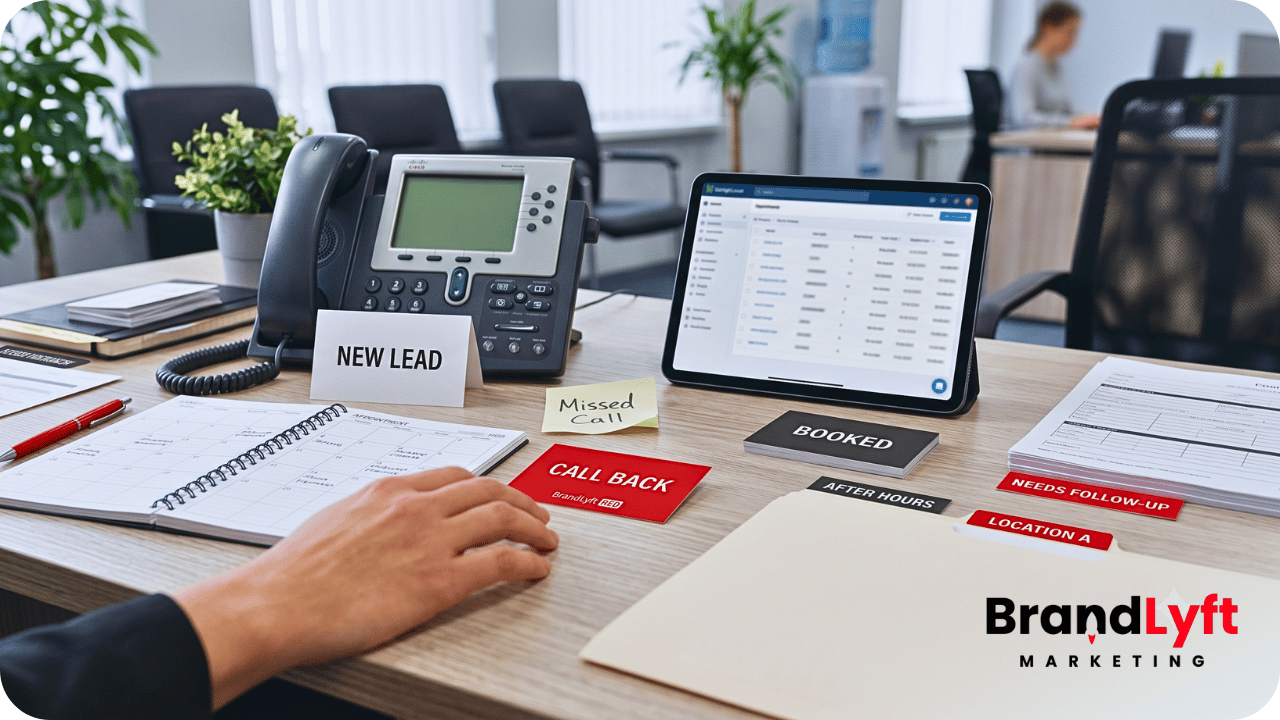
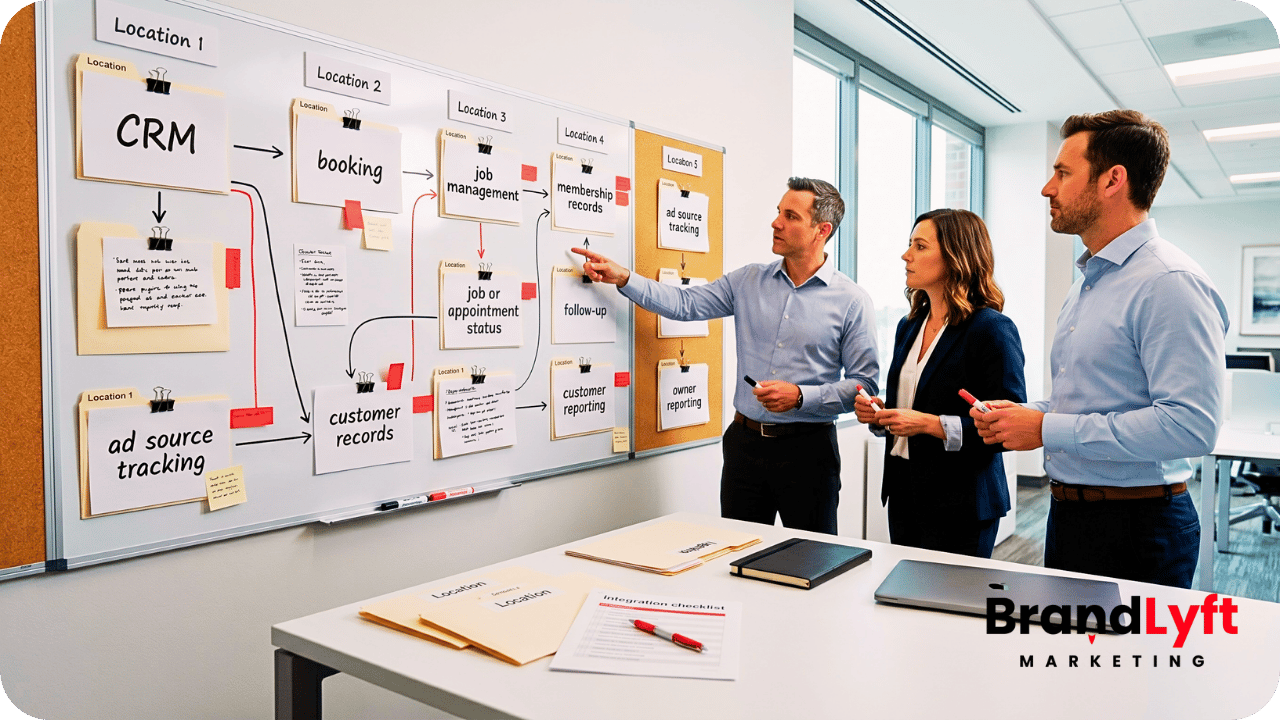
    GoHighLevel for franchises deployment across every location

    Rollout Scan

    Before GHL Touches Every Location, Check the Weak Spots

    The Franchise GHL Optimization Map helps you review routing, permissions, workflows, calendars, reporting, and location-level follow-up before the rollout gets copied wider.

    Scan the Rollout

    Why GoHighLevel for Franchises Is Not Just a Bigger GHL Setup

    A single-location GHL setup can survive a little mess.

    A franchise rollout usually cannot.

    If one location has a confusing pipeline, the manager can still chase updates. If one location forgets to tag lead sources, the damage is limited. If one location has a shaky follow-up workflow, someone can manually catch issues for a while.

    But once the same messy setup gets copied across ten, twenty, or fifty locations, small problems become operational drag.

    Lead routing gets inconsistent. Reporting gets harder to trust. Local teams start working around the CRM. Corporate loses visibility. Managers blame training when the real problem is that the rollout was never designed around how each location handles leads.

    That is why GoHighLevel for franchises needs a deployment model, not just a buildout checklist.

    BrandLyft’s franchise CRM setup support fits this exact problem because multi-location GHL work needs structure, permissions, local ownership, reporting, and launch sequencing. It cannot be treated like one account copied over and over.

    Start With the Franchise Operating Model Before Touching Workflows

    The first question is not “what can GoHighLevel do?”

    The first question is “how does this franchise actually run?”

    Corporate may own the brand standards, templates, messaging rules, reporting requirements, campaign structure, and shared workflow logic. Local teams may own appointment handling, service-area realities, front-desk follow-up, local notes, daily pipeline updates, and stuck-lead recovery.

    That split needs to be decided before the GHL deployment begins.

    If corporate controls too much, location teams may feel boxed into a system that does not match real work. If every location gets too much freedom, the franchise loses reporting consistency and brand control.

    A strong rollout defines what stays shared and what stays local.

    For GoHighLevel for franchises, shared structure usually includes pipeline definitions, naming conventions, brand templates, core workflows, source tracking rules, standard dashboards, and required follow-up windows.

    Local ownership usually includes who gets the lead, who calls first, who handles missed calls, who updates the pipeline, who manages booking exceptions, and who watches stale opportunities.

    If that line is blurry, the system will feel blurry too.

    Build the Location Structure Before the Franchise Rollout

    Every franchise team needs to decide how GHL will be organized across the footprint.

    Some locations may need separate sub-accounts. Some users may need access to more than one location. Corporate may need reporting visibility without giving every user agency-level access. Regional leaders may need access to a group of locations but not the whole system.

    This is where permissions become part of the rollout, not an admin afterthought.

    HighLevel’s official user access and permissions docs cover agency and sub-account access, assigned data, account-level users, and ways to manage multiple locations without giving someone full agency access. Those details matter for franchise teams because access design shapes how safely and cleanly each location can work inside the platform. Review HighLevel’s user access documentation before giving every franchise user the same view.

    A practical GoHighLevel for franchises deployment should answer these questions early:

    • Who needs access across all locations?
    • Who needs access to only one location?
    • Who manages local users?
    • Who can edit workflows?
    • Who can edit pipelines?
    • Who can export reporting data?
    • Who owns failed handoffs or stalled opportunities?

    If those answers are not clear, the rollout can create more risk every time a new location gets added.

    Design Pipeline Standards Before Teams Start Using the CRM

    Pipeline consistency is one of the fastest ways a franchise deployment either works or drifts.

    Every location may technically have the same stages. But if those stages mean different things in daily work, the reporting will still be weak.

    For example, “contacted” may mean one call attempt at one location and an actual conversation at another. “Booked” may mean the calendar event exists in one location and the customer confirmed in another. “Lost” may mean the lead said no, went cold, or was never reached.

    The pipeline looks consistent from corporate.

    The behavior is not.

    That is why GoHighLevel for franchises needs shared stage definitions before launch.

    Each stage should have a plain meaning, a required action, an owner, and a next step. If a location manager cannot explain when to move a lead, the stage is not ready for rollout.

    BrandLyft’s article on a stalled GoHighLevel account connects directly here because stalled accounts often leak leads through weak pipeline logic, broken handoff, and low team trust.

    Set Lead Routing Rules Before Real Leads Move Through the System

    Lead routing is where franchise CRM deployments become real.

    A franchise may have corporate campaigns, local landing pages, paid ads by region, local phone numbers, form fills, missed calls, chat conversations, referral partners, and third-party lead sources.

    All of those leads need somewhere to go.

    The system needs to know which location owns the lead, which user gets the alert, which pipeline receives the opportunity, what first response should happen, and what happens if the lead is not touched fast enough.

    Without clear routing, the CRM becomes a shared storage bin.

    That is dangerous for a franchise because local teams may assume corporate is watching, while corporate assumes the location is handling it.

    A serious GoHighLevel for franchises rollout should define routing by location, service area, lead source, ownership, availability, and follow-up window.

    If speed matters, the system also needs escalation rules. A hot lead should not sit quietly because one user missed a notification. BrandLyft’s Speed to Lead service fits this part of the rollout because fast response only works when routing and ownership are already clear.

    Build Workflows Around Ownership, Not Just Automation

    A workflow can make a clean process faster.

    It can also make a messy process harder to understand.

    That is why workflows should not be the first thing built in a franchise rollout.

    The workflow should come after the operating path is clear.

    Who owns the lead? What happens after a missed call? When does the first SMS go out? When does a task appear? Who gets notified if no one touches the lead? What message is corporate-approved? What can the location change? What should stay locked?

    HighLevel’s workflow docs describe workflows as trigger-and-action systems, and HighLevel’s trigger documentation explains that triggers initiate workflow actions based on specific events. That is useful, but franchise teams still need to decide the operational meaning behind those actions before copying workflows across locations. Review HighLevel’s workflow basics before treating workflow volume as proof that the rollout is ready.

    For GoHighLevel for franchises, shared workflows should usually cover standard lead acknowledgement, missed-call recovery, booking reminders, no-show follow-up, stale opportunity alerts, review requests, and reactivation paths.

    But shared does not mean every location gets the same owner, same calendar, same availability, or same escalation path.

    That is where a lot of franchise deployments break.

    Separate Corporate Templates From Local Follow-Up

    Franchises need message consistency.

    Locations need practical follow-up.

    Those are not the same thing.

    Corporate may want approved messaging for first responses, nurture, reactivation, review requests, and campaign follow-up. That makes sense. The brand should not have ten locations writing ten different versions of the same offer or appointment reminder.

    But local teams still need a clear way to handle real conversations.

    A lead may ask a location-specific question. A staff member may need to confirm availability. A manager may need to recover a missed call. A customer may reply after hours. A local team may need to know which message fired before they step in.

    If the system hides too much behind corporate-controlled automation, local teams stop trusting it.

    A better GoHighLevel for franchises deployment gives corporate control over the core templates while keeping local follow-up visible, assigned, and easy to act on.

    BrandLyft’s AI Conversational Bot service also fits this discussion when the goal is to keep SMS, social DMs, and missed-call follow-up connected inside GoHighLevel without removing human ownership from local teams.

    Use Calendars Carefully Across Locations

    Calendar setup can look simple until the franchise has different services, staff schedules, appointment types, rooms, local rules, and booking paths.

    A shared calendar pattern may work for one location and fail in another.

    One location may need round-robin booking. Another may need service calendars. Another may need staff-level availability. Another may need buffers before and after appointments. Another may need linked calendars and conflict calendars to stop double bookings.

    HighLevel’s calendar documentation covers booking tools, calendar types, services, linked calendars, appointment notifications, integrations, and troubleshooting. That is why calendar setup should be tested by location before the deployment is treated as done. Review HighLevel’s calendar documentation before copying booking logic across every location.

    For GoHighLevel for franchises, the calendar is not only a scheduling tool.

    It is part of the lead handoff.

    If the calendar logic breaks, the follow-up path breaks too.

    Plan Reporting Before Locations Start Creating Their Own Habits

    Franchise reporting fails when every location enters data differently.

    That is true even if the dashboards look polished.

    Corporate needs reporting that answers real operating questions. Which locations respond fastest? Which locations book more qualified leads? Which campaigns are creating opportunities? Which teams are letting leads age? Which locations are working the CRM and which are working around it?

    The answers depend on clean inputs.

    If source naming changes by location, pipeline stages are used differently, users skip opportunity updates, or local managers define outcomes their own way, the dashboard becomes a guess.

    HighLevel’s custom dashboard documentation describes dashboards as configurable spaces for tracking KPIs from contacts, appointments, opportunities, calls, revenue, and more. That is useful for franchise leadership only if the rollout sets clear reporting rules before teams start creating local habits. Review HighLevel’s custom dashboard guide before building franchise reporting on messy local inputs.

    BrandLyft’s Revenue System Build service fits this layer because franchise leaders do not need another dashboard for the sake of it. They need a system that makes lead capture, routing, follow-up, attribution, pipeline visibility, and owner-level reporting easier to trust.

    Train for Adoption, Not Platform Knowledge

    Franchise teams do not need every local user to understand the whole platform.

    They need each user to understand their part of the handoff.

    That is a different kind of training.

    Corporate users need to know what standards to monitor. Regional leaders need to know how to check location performance. Local managers need to know what to review daily. Front desk or sales staff need to know where leads appear, how to respond, when to update the pipeline, and what to do when a lead stalls.

    A rollout walkthrough that only explains features will not fix adoption.

    Training has to match roles.

    For GoHighLevel for franchises, the better training questions are practical:

    • Where does a new lead show up?
    • Who owns the first response?
    • What stage should the lead enter?
    • What does the user do after a call attempt?
    • When does a manager step in?
    • Where does a location check stuck leads?
    • What does corporate review weekly?

    If teams cannot answer those questions, the deployment is not ready.

    Roll Out in Phases Instead of Copying the Setup Everywhere at Once

    A franchise-wide launch can feel efficient.

    It can also multiply mistakes fast.

    A phased rollout gives the team room to test the system with real location behavior before the whole footprint depends on it.

    Start with a pilot group. Watch how leads route. Check whether notifications make sense. Confirm that local users know what to do. See whether reporting matches reality. Find where the process creates confusion.

    Then fix the deployment before expanding.

    For GoHighLevel for franchises, this is often the safer path because franchise teams rarely find every problem during setup. They find it when real users, real leads, and real follow-up windows hit the system.

    A phased rollout turns those problems into correctable rollout feedback instead of system-wide frustration.

    What a Location-Ready GoHighLevel Deployment Should Include

    A location-ready GHL deployment should not leave local teams guessing.

    Before every location goes live, the franchise should have shared pipeline definitions, lead routing rules, location ownership, calendar logic, workflow naming, message templates, source tracking, permissions, dashboards, role-based training, and escalation rules.

    Each location should know what happens after a new lead comes in.

    Corporate should know what each location is supposed to do.

    Regional leaders should know what to review.

    Local managers should know where to find stuck opportunities.

    Front-line users should know how to work the lead without leaving the CRM.

    That is what separates a real GoHighLevel for franchises deployment from a copied setup.

    What to Fix Before Deploying GoHighLevel for Franchises

    Before the rollout expands, check the places that usually break first.

    Start with location structure. Then check user access, lead routing, pipeline definitions, calendars, workflow ownership, message templates, reporting rules, and training.

    After that, test the real lead path.

    Submit a form. Trigger a missed-call path. Book an appointment. Move an opportunity. Let a lead go stale. Watch the dashboard. Ask the local team what they would do next.

    If the system still depends on memory, side notes, or manual checking, it is not ready to deploy across every location.

    If the setup already feels messy, BrandLyft’s article on GoHighLevel setup mistakes is a useful next read because it explains how feature-first builds create weak handoff, unclear ownership, and low trust.

    Scale Check

    Do Not Copy the Same Broken Handoff Across Every Location

    If the rollout still depends on manual checking, side notes, or local memory, map the risk before more locations inherit the same gaps.

    What to Do Next

    If your franchise is evaluating GoHighLevel as the system of record, do not start with a feature list.

    Start with the operating model.

    Decide what corporate controls, what locations own, how users get access, how leads route, how calendars work, how workflows fire, how reporting gets defined, and how each team is trained.

    If the answers are still fuzzy, the deployment is not ready for every location.

    That does not mean GoHighLevel is the wrong fit.

    It means the rollout needs a better order.

    A strong GoHighLevel for franchises deployment should give corporate cleaner visibility and give local teams a system they can actually work from.

    If your current plan does not do both, book a discovery call before the same setup problems get copied across the whole footprint.

    FAQ

    What does it take to deploy GoHighLevel for franchises?

    Deploying GoHighLevel for franchises takes more than cloning one setup across every location. The rollout needs clear location structure, user permissions, lead routing, pipeline definitions, calendars, workflows, reporting rules, training, and follow-up ownership.

    Should every franchise location use the same GoHighLevel setup?

    Every location should share the same core standards, but not every local detail should be identical. Corporate should control the core structure, templates, reporting, and workflow standards. Locations still need clear ownership for follow-up, calendars, availability, and daily CRM usage.

    Why do GoHighLevel franchise rollouts fail?

    GoHighLevel franchise rollouts usually fail when the system is copied across locations without clear ownership, permissions, routing, reporting definitions, and local training. The tool may be installed, but the operating model is still unclear.

    When should a franchise hire a GoHighLevel partner?

    A franchise should consider hiring a GoHighLevel partner when the rollout involves multiple locations, shared workflows, local follow-up, user permissions, reporting visibility, integrations, speed-to-lead needs, or teams that already work around the CRM.

  • CRM Integration for IV Therapy Franchises Already Using GoHighLevel

    CRM Integration for IV Therapy Franchises Already Using GoHighLevel

    CRM integration for IV therapy franchises is not about buying another tool.

    Most IV therapy franchise teams already have the tools.

    They have GoHighLevel. They have booking links. They have forms. They have calendars. They have local pages. They may have membership offers, package follow-up, review requests, missed-call workflows, and dashboards.

    The problem is usually not that nothing exists.

    The problem is that the important handoffs are not clean.

    A lead asks about a drip package. A member wants to book again. A local page form comes in. A missed call happens during a busy appointment block. A front desk team follows up from one location, but another location gets buried. An owner wants to know which locations are booking from campaigns, but the reporting does not line up.

    That is where the system starts to feel messy.

    For IV therapy franchises already using GoHighLevel, the next step is usually not more random automation. It is cleaner integration between booking, lead routing, follow-up, memberships, package nurture, local teams, and owner-level reporting.

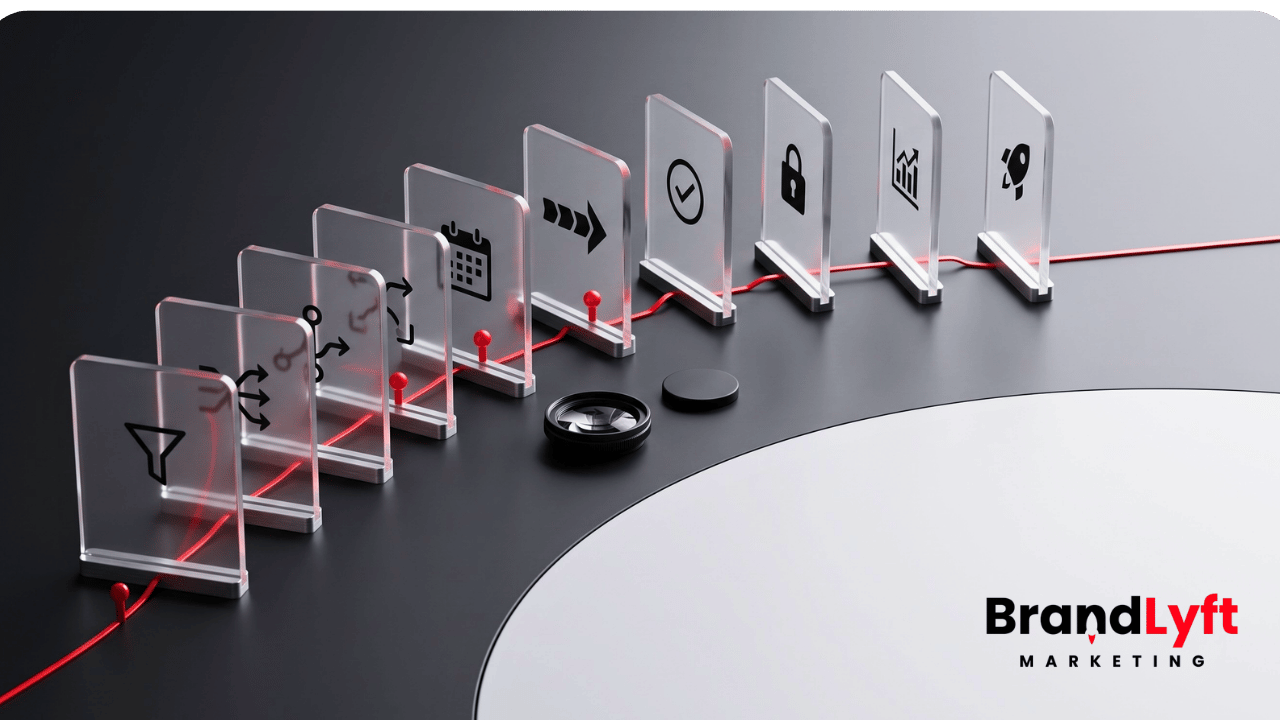
    CRM integration for IV therapy franchises using GoHighLevel

    Start With the Franchise GHL Location Usage Audit

    Use it to see where booking, routing, follow-up, reporting, and location-level handoff are getting messy inside your current GoHighLevel setup.

    Run the Location Audit

    Why CRM Integration for IV Therapy Franchises Gets Messy Fast

    IV therapy franchises are appointment-based, location-based, and follow-up-heavy.

    That creates more CRM pressure than a simple lead form can handle.

    Someone may fill out a form for one location but live closer to another. A lead may call instead of booking online. A current client may need package follow-up. A member may need a reactivation path. A local team may need to handle the next conversation, while the owner still needs visibility across every location.

    If those handoffs are not connected, the CRM becomes a storage bin instead of an operating system.

    This is why CRM integration for IV therapy franchises should focus on the real business flow, not just whether GoHighLevel has forms, calendars, and workflows turned on.

    BrandLyft’s franchise CRM setup support fits this kind of problem because multi-location GHL work needs repeatable structure, local ownership, clean permissions, and reporting that leaders can trust.

    The First Gap Is Usually Booking Flow

    For an IV therapy franchise, booking is not just a calendar.

    It is tied to location, service type, staff availability, consultation flow, package interest, follow-up timing, confirmation messages, reschedule handling, and no-show recovery.

    A basic booking link can look fine at first.

    Then the brand grows.

    One location has more availability. Another has a different service mix. One team handles calls quickly. Another gets busy during appointments. One location has a strong local manager. Another needs tighter reminders and follow-up ownership.

    If every location uses the same calendar logic without checking the real local workflow, booking becomes fragile.

    HighLevel’s calendar documentation covers scheduling, linked calendars, appointment notifications, and troubleshooting. That matters because appointment flow has more moving parts than a public booking link. Review HighLevel’s calendar documentation before treating calendar setup as finished.

    The Second Gap Is Lead Routing by Location

    Lead routing is where many IV therapy franchise accounts start leaking response time.

    A lead may come from a local landing page, a paid ad, a missed call, a referral, a Google Business Profile click, a chat widget, or a form tied to a specific service.

    The question is not just whether the lead enters GoHighLevel.

    The question is whether the lead gets to the right local team fast enough.

    Does the lead route by location? Does the right user get notified? Does the contact enter the right pipeline? Does the first follow-up happen quickly? Does the location manager know if nobody has touched the lead?

    If the answer is fuzzy, the CRM is not integrated into the business flow yet.

    That is why BrandLyft’s Speed to Lead work matters here. For IV therapy franchises, faster response is not just a nice-to-have. It is part of making sure appointment interest does not sit inside the account while another local option replies first.

    The Third Gap Is Front Desk Handoff

    Front desk handoff is one of the most important parts of CRM integration for IV therapy franchises.

    The CRM can capture the lead, but the local team usually owns the actual next step.

    That may mean calling the lead, answering a question, helping with booking, confirming package interest, following up after a missed call, or moving the conversation toward the right appointment path.

    This breaks when ownership is vague.

    A lead enters the account, but nobody is sure who should call. A task fires, but the wrong user gets it. A message goes out, but the local team does not know the lead replied. A manager checks the pipeline later and cannot tell what happened.

    That is not a software issue by itself.

    That is a handoff issue.

    If the setup already feels like this, BrandLyft’s article on a stalled GoHighLevel account gives the broader pattern: forms, workflows, and pipelines can exist while the system still leaks leads through weak handoff and low team trust.

    The Fourth Gap Is Membership and Package Nurture

    IV therapy franchises often depend on more than one-time appointments.

    Memberships, packages, return visits, seasonal campaigns, local promotions, and reactivation all matter.

    That makes follow-up more layered.

    A first-time lead may need a booking reminder. A member may need a different follow-up path. A package lead may need a different conversation than someone asking for a single visit. A previous client may need a winback path that feels useful, not spammy.

    If all of those contacts get treated the same way, the CRM may technically be automated but still feel flat.

    A cleaner setup separates the intent behind the contact.

    New leads, missed-call leads, package-interest leads, current members, inactive members, and review-ready clients should not all fall into the same generic nurture logic.

    That is where BrandLyft’s Revenue System Build service connects well. The work is not just “more follow-up.” It is building the lead-to-booking and nurture paths in a way the local teams can actually use.

    The Fifth Gap Is Disconnected Tools and Invisible Handoffs

    Many IV therapy franchises already have more than one system involved.

    There may be a booking tool, payment system, membership platform, phone system, website form, ad account, review tool, chat widget, or location-specific workflow that still matters to the business.

    The goal is not to force every tool into one system.

    The goal is to make sure the important handoffs are not invisible.

    If a lead books outside the CRM, does the local team still know what happened? If a missed call happens, does the right location see it? If someone asks about a package, does that interest get tracked? If a member goes quiet, is there a clear reactivation path? If a local campaign works, can the owner see which location benefited?

    HighLevel’s API documentation says its platform includes REST endpoints for contacts, messaging, workflows, calendars, payments, webhooks, and more. That matters because some franchise setups need cleaner handoff between GoHighLevel and the tools already running the business. Review HighLevel’s API documentation before assuming manual copy-paste is the only option.

    If the account depends on custom handoffs, webhooks, dashboards, or outside software, BrandLyft’s CRM and app development service may be the better fit than another round of manual patching.

    The Sixth Gap Is Owner-Level Reporting

    Owner-level reporting is where weak integration becomes obvious.

    An IV therapy franchise owner does not only need to know that leads came in.

    They need to know which locations are responding fastest, which locations are booking more leads, where package interest is coming from, which campaigns are creating appointments, which follow-ups are being missed, and which teams are actually working inside GoHighLevel.

    That reporting only works if the local inputs are clean.

    If one location updates the pipeline properly and another does not, the report is uneven. If source tracking is inconsistent, the campaign data gets muddy. If membership and package interest are not tagged clearly, nurture performance becomes hard to read.

    The dashboard may still show activity.

    But activity is not the same as insight.

    HighLevel’s custom dashboard documentation explains that dashboards can track KPIs from contacts, appointments, opportunities, calls, revenue, and more. That only helps if the CRM integration keeps the underlying location data clean enough to trust. Review HighLevel’s custom dashboard guide before building owner-level reporting on messy location data.

    What Stronger CRM Integration for IV Therapy Franchises Should Include

    A stronger setup starts with clean intake paths.

    Each lead source should have a clear next step. Each booking path should match the service, location, and local team responsible for the next action.

    Location-specific routing should be clear before more automation gets added.

    Missed-call follow-up should not depend on someone remembering to check the phone later. Package and membership interest should be tracked clearly enough to support follow-up. Reactivation should not live in a forgotten spreadsheet. Review requests should make sense after the appointment path, not fire randomly.

    Permissions matter too.

    Corporate or ownership may need visibility across locations. Local managers may need control inside their location. Front desk staff may only need the conversations, calendars, opportunities, and tasks tied to their daily work.

    The system should make that easier, not harder.

    If every location already uses GoHighLevel differently, BrandLyft’s article on GoHighLevel setup mistakes is a useful next read because it explains how feature-first builds turn into weak handoff, unclear ownership, and low trust.

    When an IV Therapy Franchise Should Get a Second Set of Eyes

    You do not need outside help just because the setup has a few rough edges.

    If every location uses the account the same way, the booking flow is clean, follow-up is consistent, and reporting is trustworthy, internal cleanup may be enough.

    But if the account already exists and every location handles it differently, it may be time for a second set of eyes.

    That is especially true if leads are entering GoHighLevel but booking follow-up is uneven, package nurture is inconsistent, memberships are not being tracked clearly, missed calls do not have a reliable recovery path, or reporting does not show what each location is actually doing.

    At that point, the issue is not just CRM setup.

    It is trust in the operating system.

    BrandLyft’s GoHighLevel Partner service is built for that kind of review and rebuild work: finding what is broken, cleaning what should be shared, and adjusting what needs to stay location-specific.

    Run the Franchise GHL Location Usage Audit

    Use it to check where your current GoHighLevel setup is breaking across booking, routing, package follow-up, reporting, integrations, and location-level handoff.

    Run the Usage Audit

    What to Do Next

    If your IV therapy franchise already has GoHighLevel, do not start by adding more workflows.

    Start by checking the handoffs.

    Look at booking flow, location routing, missed-call recovery, front desk ownership, package nurture, membership follow-up, reactivation, local campaign tracking, and owner-level reporting.

    If those pieces are clean, the account may only need light cleanup.

    If every location uses the system differently, the setup feels messy, and nobody can tell where the follow-up keeps getting stuck, get help before the same problems become normal.

    Better CRM integration for IV therapy franchises should make GoHighLevel easier for local teams to use and easier for owners to trust.

    Find the Integration Gaps

    FAQ

    What is CRM integration for IV therapy franchises?

    CRM integration for IV therapy franchises means connecting the important parts of the lead, booking, follow-up, membership, package nurture, and reporting flow so each location can work leads consistently inside GoHighLevel.

    Why do IV therapy franchises outgrow a basic GoHighLevel setup?

    IV therapy franchises outgrow basic GoHighLevel setups when multiple locations, booking paths, membership offers, package follow-up, missed calls, local campaigns, and reporting needs make the original setup too loose to trust.

    Should every IV therapy franchise location use the same GoHighLevel workflows?

    Locations can share core workflow logic, but each location still needs clear ownership, calendar rules, routing, staff assignment, package follow-up, and local handoff rules. Shared structure should not hide local accountability.

    When should an IV therapy franchise hire a GoHighLevel partner?

    An IV therapy franchise should consider hiring a GoHighLevel partner when every location uses the CRM differently, follow-up is inconsistent, booking handoff is messy, memberships or packages are not tracked clearly, and owner-level reporting is hard to trust.

  • Why Appointment-Based Wellness Franchises Outgrow a Basic GoHighLevel Setup

    Why Appointment-Based Wellness Franchises Outgrow a Basic GoHighLevel Setup

    GoHighLevel for wellness franchises can work well when the setup matches how appointments, follow-up, memberships, and local teams actually operate.

    But a basic setup usually starts breaking once every location handles bookings differently.

    That is where appointment-based wellness brands feel the pressure.

    A med spa may need consultation requests routed to the right location. An IV clinic may need faster missed-call follow-up. A beauty clinic may need reminders, reactivation, and review requests to happen consistently. A fitness studio or chiropractic group may need front-desk handoff, memberships, and local campaign tracking to show up clearly across locations.

    The business models are not all the same.

    But the CRM pressure is similar.

    Leads, bookings, reminders, follow-up, memberships, reactivation, and reporting have to move cleanly across locations. If they do not, the account may look active while the local teams keep patching gaps by hand.

    That is when a basic GHL setup stops being enough.

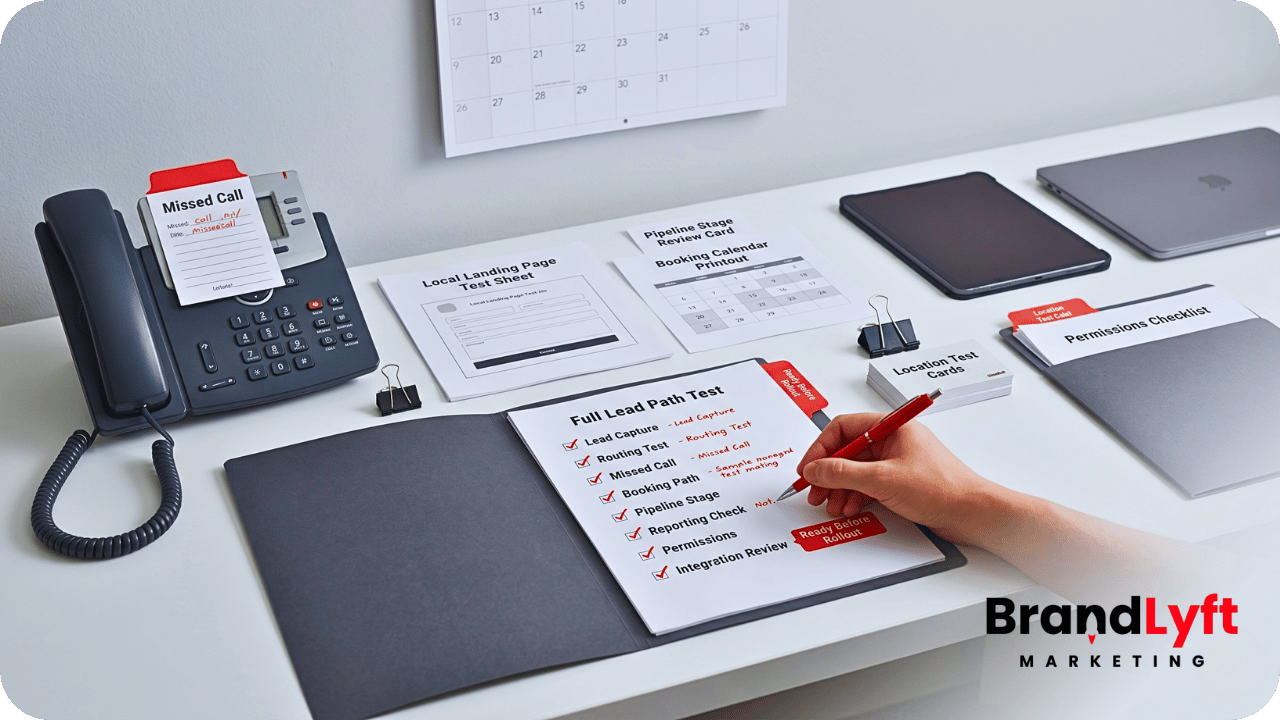
    GoHighLevel for wellness franchises booking and follow-up setup

    Start With the Franchise GHL Optimization Map

    Use it to spot gaps across booking, follow-up, integrations, reporting, and location-level handoff before the same issues spread across every location.

    Download the Map

    What Basic GoHighLevel for Wellness Franchises Usually Means

    A basic GHL setup is not automatically bad.

    It may be enough when the brand is small, the offer is simple, and one person still understands the full lead path.

    Usually, a basic setup includes one or two funnels, a simple pipeline, basic email or SMS follow-up, a booking calendar, a form, and a few automations.

    That can work early.

    The problem starts when the brand adds more services, more locations, more staff, more lead sources, and more booking paths.

    Now the setup has to answer harder questions.

    Which location owns the lead? Which service should the booking path use? Who follows up after a missed call? What happens if someone books but does not show? Which local campaign created the appointment? Which location is slow to respond?

    If the account cannot answer those questions, the business does not have a scalable setup.

    It has a basic setup with more traffic running through it.

    Why GoHighLevel for Wellness Franchises Needs More Structure

    Appointment-based wellness brands usually have more moving parts than a generic lead form and a simple pipeline can handle.

    Consultation requests need to go somewhere specific. Service-based bookings need to match the right location and availability. Front-desk teams need to know what happened before they pick up the conversation. Membership offers may need their own follow-up. Missed calls need quick recovery. No-shows need a clear path. Reviews and reactivation need timing that does not feel random.

    That is where structure matters.

    A stronger setup does not mean adding more automation everywhere.

    It means the account knows what should happen after a lead asks for an appointment, misses a call, books a visit, goes quiet, joins a membership, or needs to be brought back into the schedule.

    BrandLyft’s franchise CRM setup support fits this problem because multi-location CRM work needs repeatable structure without ignoring location-level differences.

    The First Breaking Point Is Usually Booking Flow

    For appointment-based wellness brands, booking is not just a calendar.

    It depends on service type, location, staff availability, consultation type, follow-up timing, confirmation messages, reschedule logic, and no-show handling.

    A single calendar link may work early.

    It usually gets weaker as the brand grows.

    One location may offer one service. Another may offer a slightly different service mix. One team may have more availability. Another may need calls screened before booking. One location may want fast consultation scheduling. Another may need a front-desk person to qualify the request first.

    If the same booking flow is forced across every location without checking how the locations operate, the calendar becomes a bottleneck.

    HighLevel’s calendar documentation covers scheduling, services, calendar settings, linked calendars, notifications, integrations, and troubleshooting. That matters because booking logic has more moving parts than a public calendar link. Review HighLevel’s calendar documentation before treating appointment setup as finished.

    The Second Breaking Point Is Follow-Up Consistency

    Follow-up usually looks fine until you compare locations.

    One location responds fast. Another gets busy and forgets. One team calls first. Another waits for the automation. One front desk team updates the pipeline. Another leaves opportunities sitting in the wrong stage.

    That is how follow-up gets uneven.

    A lead from a form, missed call, ad, referral, or chat should not wait for someone to manually remember the next step. If the system depends on local memory, the busier locations will usually slip first.

    Speed matters even more for wellness brands because appointment intent can fade quickly. Someone may request a consultation, compare locations, ask about availability, or book with the first brand that responds clearly.

    That is why Speed to Lead belongs in the system design. The goal is not just fast messaging. The goal is the right lead reaching the right team fast enough for someone to act.

    The Third Breaking Point Is Local Team Handoff

    This is where the setup becomes very real.

    A lead may come in through a central campaign, but a local team still has to handle the booking, consultation request, follow-up, or next step.

    That handoff cannot stay vague.

    Common problems show up fast. No clear owner. Duplicate follow-up. A lead assigned to the wrong location. Messages sent from the wrong number. A calendar that does not match real availability. A manager who cannot tell what happened after the first inquiry.

    Those are not small admin issues.

    They decide whether the lead moves forward or disappears.

    For example, a med spa group may run one paid campaign across several locations. The form collects the lead cleanly, but the handoff breaks because the system does not assign the request based on preferred location. Now the wrong team gets the alert, the lead waits, and the local manager has no idea the opportunity existed.

    The form worked.

    The handoff did not.

    That is exactly the kind of gap BrandLyft covers in its Revenue System Build work: lead capture, routing, follow-up, attribution, pipeline visibility, and workflows the team can actually use.

    The Fourth Breaking Point Is Disconnected Tools

    Appointment-based wellness brands often have other tools in the mix.

    Booking tools. Payment tools. Membership platforms. Review tools. Phone systems. Ad platforms. Website forms. Chat widgets. Maybe even another scheduling or operations tool that certain locations still rely on.

    This does not mean every tool should be forced into one system.

    The goal is not to force every tool into GoHighLevel.

    The goal is to make sure the important handoffs are not invisible.

    If a lead books somewhere else, does the CRM know? If a missed call happens, does the right person get alerted? If a membership lead comes in, does it land in the right pipeline? If a review request should go out, is it tied to the right timing? If a location runs a local campaign, can the team see what happened?

    That is where GHL becomes more useful. It starts supporting the flow of the business instead of sitting beside it.

    If the setup depends on custom forms, outside tools, special handoff logic, or local systems that need to talk to the CRM, BrandLyft’s CRM and app development service may be a better fit than another round of manual patching.

    The Fifth Breaking Point Is Reporting by Location

    Owners and operators need visibility across locations.

    Not vague visibility.

    Useful visibility.

    They need to know which locations respond fastest, which locations book more leads, where leads are coming from, which campaigns create appointments, which follow-ups are being missed, and which teams are actually working inside the CRM.

    That only works if the setup captures data consistently.

    If one location uses different stages, another uses different source names, and another forgets to update opportunities, the dashboard turns into a guessing tool.

    For appointment-based wellness franchises, reporting should not just show that leads came in.

    It should show what happened after the lead asked for the appointment.

    HighLevel’s custom dashboard documentation explains that dashboards can be tailored around reporting views and widgets. That is useful only if the underlying pipeline, source, booking, and follow-up data are clean enough to trust. Review HighLevel’s custom dashboard guide before building location reporting on messy inputs.

    What Stronger GoHighLevel for Wellness Franchises Should Include

    A stronger setup starts with clean intake and booking paths.

    Each lead source should have a clear next step. Each booking path should match the service, location, and staff availability. Each location should know who owns the follow-up after the lead comes in.

    Location-specific routing matters too.

    A lead should not land in a general inbox and wait for someone to figure it out. The account should know where the lead belongs, who needs the alert, and what happens if the first response does not happen quickly.

    Missed-call follow-up should be built into the system. Service-based calendar logic should be tested. Pipeline rules should stay simple enough for local teams to use. Membership or reactivation follow-up should not depend on a spreadsheet. Review request paths should make sense after the appointment. Reporting should show location-level performance without burying the team in noise.

    Permissions matter here too.

    Corporate may need broad visibility. Regional managers may need access across a set of locations. Local managers may need full control over their own location. Front-desk staff may only need access to conversations, calendars, tasks, and opportunities tied to their role.

    HighLevel’s workflow documentation explains that workflows run through triggers and actions. That is helpful, but the business still needs to know who owns the work after the action fires. Review HighLevel’s workflow basics before building automation on top of unclear ownership.

    If the account already feels messy, BrandLyft’s article on GoHighLevel setup mistakes is a useful next read because it shows how feature-first builds create weak handoff, slow response, and low team trust.

    When to Bring in a GHL Partner

    You do not need a GHL partner just because the account has a few rough edges.

    If the setup is still simple, the team understands it, and every location follows the same process, internal cleanup may be enough.

    But if the account already exists and every location uses it differently, it may be time for a second set of eyes.

    That is especially true when bookings are inconsistent, follow-up depends on who is working that day, managers cannot see what happened after a lead came in, and reporting does not match what locations say is happening.

    At that point, the issue is not just setup.

    It is trust.

    BrandLyft can help review, clean up, connect, and rebuild the parts that are slowing down follow-up or making reporting unclear. The point is not to add more complexity. The point is to make the system easier for local teams to use and easier for leadership to trust.

    If your team needs help reviewing the setup, BrandLyft’s GoHighLevel Partner service is the natural next step.

    Download the Franchise GHL Optimization Map

    Use it to spot gaps in your current GHL setup across booking, follow-up, integrations, reporting, and location-level handoff.

    Download the Map

    What to Do Next

    If your wellness franchise still has a basic setup, do not start by adding more workflows.

    Start by checking the real handoff.

    Look at booking paths, location routing, missed-call follow-up, service-based calendars, front-desk ownership, membership follow-up, reactivation, reviews, and reporting by location.

    If those pieces are already clean, the account may only need light cleanup.

    If every location uses GHL differently, the setup feels messy, and nobody can tell where follow-up keeps getting stuck, get help before the same problems become normal.

    A stronger GoHighLevel for wellness franchises setup should make each location easier to support, not harder to compare.

    Find the Handoff Gaps

    FAQ

    Why do wellness franchises outgrow a basic GoHighLevel setup?

    Wellness franchises outgrow a basic GoHighLevel setup when bookings, follow-up, location routing, memberships, reactivation, reporting, and team handoff become too complex for a simple funnel, calendar, pipeline, and a few automations.

    What should GoHighLevel for wellness franchises include?

    GoHighLevel for wellness franchises should include clean intake paths, service-based booking logic, location-specific routing, missed-call follow-up, simple pipeline rules, membership or reactivation follow-up, review request paths, location reporting, permissions, and team training.

    Can GoHighLevel work for med spas and IV clinics?

    Yes. GoHighLevel can work for med spas, IV clinics, beauty clinics, wellness clinics, and similar appointment-based brands when the setup supports bookings, reminders, follow-up, front-desk handoff, local reporting, and reactivation without adding unnecessary complexity.

    When should a wellness franchise bring in a GHL partner?

    A wellness franchise should consider bringing in a GHL partner when every location uses the system differently, follow-up is inconsistent, reporting is unclear, booking paths are messy, and the team no longer trusts what is happening inside the CRM.