Category: SEO

  • Why Organic Reach on Social Media Sucks for Small Businesses

    Why Organic Reach on Social Media Sucks for Small Businesses

    It’s 2023, and if you’re still paying agencies and freelancers to create content and post for your business, then you need a wake up call. Organic reach on posts by business pages across Facebook, Instagram, Twitter, and other platforms are at an all time low. The reasoning is obvious, it’s a pay to play world! Social media platforms like Facebook and Instagram prioritize content from friends and family over content from businesses. This means that even if a business has a large number of followers, its posts may not be seen by all of them because the algorithm is more likely to show posts from people that the user has a closer relationship with.

    In other words, organic is DEAD.

    So our advice, before we go more in depth on other reasons is this: Ditch paying for social media management and double down on paid advertising. Or at least dedicate a certain budget to your “best” performing social media posts.

    There are millions of businesses on Facebook, all competing for attention from users. This means that it is harder for businesses to stand out and be seen.

    Here’s some of the other reasons why your posts may only be reaching as little as 8% of your audience on your social channels…

    Competition for attention: As more businesses and individuals use social media, the competition for attention on these platforms increases. This can make it harder for your content to be seen by your followers. Facebook’s algorithm prioritizes content from friends and family over content from businesses. This means that business posts are less likely to be shown in users’ feeds. So it’s not just your business vs others, but your business vs friends and family!

    Changes in algorithms: Social media platforms frequently update their algorithms, which can affect the visibility of content in users’ feeds. These updates are often designed to show users more content that is relevant and engaging to them, which means that content from businesses may not always be prioritized.  If users are not interacting with a business’s posts (by liking, commenting, or sharing), Facebook’s algorithm will assume that the content is not relevant and will show it to fewer people.

    Paid promotion: In some cases, businesses may choose to pay for their content to be promoted on social media. This can decrease the organic reach of their content, as it is being shown to fewer people who are not following the business.

    Quality of content: The quality of the content you post on social media can also impact your organic reach. If your content is not engaging or relevant to your audience, it may be less likely to be seen by them. It’s extremely important to understand that organic reach on social media can be challenging, and it may be necessary to use paid advertising or other tactics to reach a larger audience.

    Overall, it’s important for businesses to consider these factors and to find ways to create high-quality, engaging content that resonates with their audience in order to increase their organic reach on social media. If you’re still relying on old outdated social media marketing strategies, it may be time for you to add advertising to your marketing budget mix. Reach out to us for a free discovery call and audit.


  • Understanding Traffic Temperatures

    Understanding Traffic Temperatures

    What To Know About Traffic Temperatures?

    According to Russell Brunson, ClickFunnel co-founder and online marketing genius, the ability to convert cold traffic into sales are the “holy grail of online marketing.” Therefore, being able to effectively reach and convert traffic with little to no interest is the secret to earning a multi-million dollar business.

    Traffic is anyone that visits your website, the more people that visit your site, the more traffic you have. This leads to certain questions, such as “What is traffic temperatures?”.

    To learn how different traffic temperatures impact your business, keep reading. The following information will explain how applying tactics successfully has helped major businesses generate billions in sales.

    The Three Traffic Temperatures

    Traffic falls into one of three groups, cold, warm, or hot. Each of these groups will require a different approach and individualized communication to effectively convert them into sales.

    Traffic Temperatures

    Hot Traffic

    The problem, Product, Desire Awareness

    These are the people that are aware of your brand, product, or service. They understand what you are selling and why it would benefit them. Hot traffic is often already a customer and/or on your mailing list, and read your marketing content.

    This group is the biggest value to your business. You can likely speak casually with them as if being a close friend with rapport. This group of traffic is ready to buy and the easiest type to convert into a sale.

    Basically, with hot traffic, you are set. Think about the raging Apple fans that are ready to buy the latest release of Apple products on the market.

    Communicating with Hot Traffic

    Because hot traffic is already very familiar with you, it is less work to make the sale. Simply emailing with a text link may work. You just need to alert them of new products and ask for the sale, or offer an incentive in the form of discounts for existing products, for example.

    Warm Traffic

    Problem and Desire

    This group of traffic are aware of their problem and have a desire to find a solution. Warm traffic is a little harder to convert because they do not know your brand, product, or service.

    Communicating with Warm Traffic

    You need to educate warm traffic about your brand, product, or service,  why they can trust you, and how you can solve their problem. If you can successfully answer these three areas, you can convert them into hot traffic.

    Leveraging the authority of others is one way to communicate with warm traffic, helping bring credibility to your brand or product. According to Russell, these “lift letters” allow others to promote for you.

    For instance, companies such as fast-food restaurants may partner with Door Dash to provide order delivery. If McDonald’s, Burger King, etc. want people to check out Door Dash, they may send out a warm-up letter stating something similar to:

    “Hello! We are now offering delivery through an exclusive partnership with Door Dash, the premier food delivery service. Using their services allows you to receive your order without leaving home.”

    Then, if the warm traffic likes the sound of ordering out from their favorite places without leaving home, they will go from warm to hot traffic for Door Dash. This creates valuable joint ventures (JVs) to help warm up leads and increase the customer base.

    This is an important factor in getting your warm traffic hyped enough to try out something different and new. Because it comes from a place they already trust, it is easier to convert. That is why authors consider it a big deal with Oprah to recommend a book or if Spotify suggests a new artist for listeners with similar interests.


    Cold Traffic

    Problem Awareness

    This is the hardest group of traffic to convert because they do not know you; they are not familiar with your product. They only know they have a problem that could be solved but may not have the desire to find a solution. Therefore, they may not even know there are solutions available. Not only must you educate them about who you are, how you can help, and why they should trust you, but you must also create their desire to solve their problem and take action.

    Because of all these factors, it is a much larger challenge to convert cold traffic visiting your website. In most cases, they probably came across your site through paid ads. That is why knowing how to convert cold traffic is a very valuable skill when it comes to online marketing.

    Communicating with Cold Traffic

    This stage is where you change the situation from being a “good idea” to a “necessary action.” This is your time to create a clear picture of each area to the customer, and it starts with the jargon used, how your product or service solves their problem, why it’s necessary to solve it now, and what they receive after purchasing.

    Conclusion

    If you desire increased sales and higher profits, understanding how to communicate with all traffic temperatures, especially cold traffic, is important. By educating and creating a necessary desire to solve a problem, you can trigger them to take action. Continue to build trust and credibility, and you’ll have a long-term client every time.

  • Clutch Commends BrandLyft as One of the Top Social Media Marketing Companies in Georgia 2021

    Clutch Commends BrandLyft as One of the Top Social Media Marketing Companies in Georgia 2021

    BrandLyft is a boutique marketing agency based in Cartersville, Georgia and was established in 2014. We help businesses navigate the world of digital marketing. We’re more than an agency, we’re your marketing partner.


    We are an all-star team of designers, marketing managers, digital strategists, business consultants, and adorable office dogs. We cater to businesses of all sizes, industries, and revenue models offering services including advertising, social media marketing, SEO, PPC, branding, web design & development and more.


    Today, we are proud to announce that BrandLyft has been highlighted on Clutch among Georgia’s top social media marketing companies. Clutch is an established B2B reviews platform that helps firms across the globe connect with the solution providers that they need in order to improve effectiveness and increase productivity.


    “We love our clients and sometimes awards are the icing on the cake, knowing we are being recognized for going the extra mile.” – CEO, BrandLyft

    It is sometimes not bad to brag about our accomplishments, we worked hard to get them and we know we deserve them. So, if you visit our Clutch profile, you can only see that we have an average of perfect 5-star rating out of 16 reviews from satisfied clients we have served and some are still ongoing.


    “Their accessibility, professionalism, and flexibility were great.” – CEO, OWN Realty


    We truly care about our clients and great pride in high client retention. Book a discovery call so we can find out a little bit about your business and marketing goals, so we can put together a custom proposal for your needs.


  • What is SEO Copywriting

    What is SEO Copywriting

    The key to driving interest and boosting sales is to establish connections with potential customers. While it’s easy to make these connections, it can be more challenging to figure out how to do so.

    However, copywriting is an excellent method for developing these connections since it uses words to appeal to consumer emotions and encourage action.

    There are fundamental principles to follow to ensure that you can effectively convince your audience while writing something you believe your audience will appreciate. We will explore what SEO copywriting is and what you can do to improve the conversion rate, generate more leads, and drive sales with it.

    SEO Copywriting

    What is SEO copywriting?

    Copywriting for SEO is the process of combining standard SEO practices that drive traffic (like keyword research) with compelling words that compel users to take a specific action, such as buying a product or signing up for an email list. This content appears on product pages on a website, emails, and other marketing materials.

    SEO copywriting aims not to generate organic traffic like blogging but rather to convert leads. Copywriting content for search engine optimization may contain less than half as many words as a blog post with almost a thousand words.

    It is possible to combine the two. Then, in a blog post, you will include a call-to-action composed with SEO copywriting in mind, and the words will entice readers to click on what you are providing for more information, such as downloading a free ebook.

    Google Ads Checklist 2021: The Ultimate Guide

    In the following examples, you’ll find some examples of content types that could be written with SEO  copywriting principles in mind:

    • Landing pages
    • CTA buttons
    • Brand messaging
    • Website copy
    • Advertising content
    • On-site navigation instructions
    • Product descriptions
    • Final checkout screens

    The key to understanding SEO best practices is to understand what is required of you.

    Tips for writing SEO copy

    There are a variety of factors that contribute to copywriting, which we will discuss below.

    Knowing your audience is essential.

    To write compelling copy, you must first understand your audience. Unless you know who they are and how to appeal to them, it will be impossible to convince them with your writing.

    A buyer persona research process follows when creating SEO copywriting, as it does for successful marketing campaigns and any other types of content.

    Based on market research, your existing business data, and your customer profiles, buyer personas are fictional representations of your ideal customer.

    Research keywords.

    Any SEO strategy must include keyword research.

    The purpose of keyword research is to uncover the keywords your ideal audience uses in search engines to find products and services similar to what you offer and use these keywords throughout your content to reach those users.

    Unless you conduct user research before writing copy, your content won’t resonate with your audience because it doesn’t reveal their intention to search for it even though they may use keywords.

    Think about who you are writing for.

    Creating copy with the intent of encouraging your viewers to act is the goal of copywriting. In short, it’s necessary to keep the reader in mind when writing. The buyers you are targeting seek solutions, which is why you are writing to tell them why you are the right solution for them.

    Suppose you have a marketing tool that can meet all the needs of your customers. By targeting your copy with the keyword “easy-to-use marketing tools” from your persona and keyword research, you can convince prospective customers to take the desired action (buying your product) once you have convinced them that your offering is the best solution for their situation.

    SEO Copywriting

    Choose action words that are relevant to your intent.

    Additionally, it is important to use action words that reflect your audience’s intent when you write for them. To lead them to your desired action, you need to use your copy to tell them why you offer the best solution.

    In other words, you want your copy to motivate people to buy, say something like “Buy Now” or “Sign Up Here,” or draw them into making a final decision.

    Please keep it concise and straightforward.

    You’ll have a more challenging time converting users if your copy is hard to read. You may lose them along the way if you require them to put in a lot of effort to understand what you have to offer.

    Testing continuously.

    Continuous testing enables you to iterate on what you create so that you satisfy consumer needs if something you thought would perform well didn’t align with audience intent as well as you thought.

    In addition to maximizing your effectiveness, testing is also essential. By translating your solution into copy, your audience will not need extra work.

    It is possible to create multiple versions of CTAs, each with a different call to action, and test the effectiveness of each by placing them on different web pages.

    It all comes together as follows: the SEO aspect is determined by the keywords that are already generating traffic and align with the user intent of your target audience, and the copywriting aspect is based on writing for the audience’s intent.

    This strategy lets you directly convey how you’ll solve their problems and entice them to become customers.

  • What is a sales funnel

    What is a sales funnel

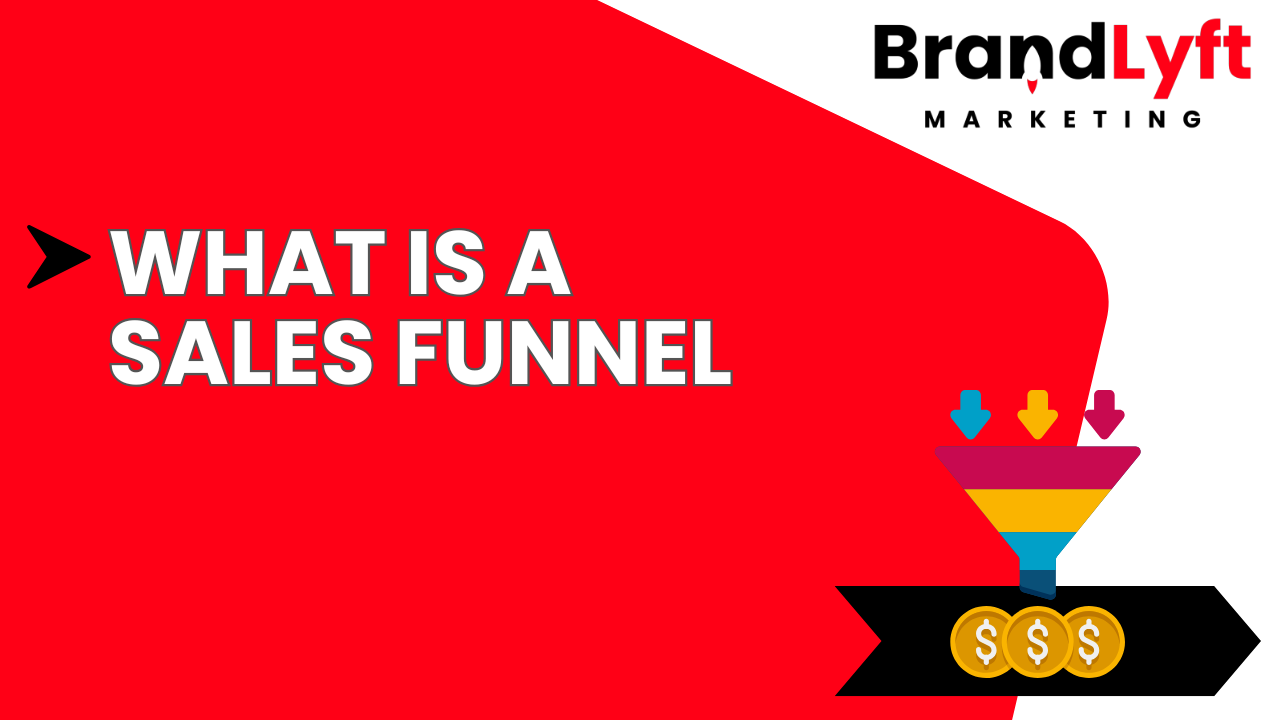
    In marketing, the sales funnel refers to the steps customers go through to make a purchase. A sales funnel typically has three steps: the top, middle, and bottom, although the order of the steps varies depending on a company’s sales model.

    The pain of missing a sale is well known to any business owner. Prospects drop out of the sales funnel after weeks of bids, presentations, chatter, and charm.

    Sometimes things happen. Having the right sales funnel management help makes it less likely to happen. The sales funnel of many small businesses is more like a sieve, with holes created by missed appointments, forgotten follow-ups, patched-together spreadsheets, and sticky notes.

    It’s possible to eliminate those holes in the sales funnel and turn near-misses into deals with marketing automation software.

    What is the purpose of the sales funnel?

    In every stage of your potential customer’s journey, you can use a sales funnel to evaluate their thoughts and actions. With insights like these, you can invest in the most effective marketing channels, generate the most relevant marketing messages during each stage, and increase your conversions.

    Stages of the Sales Funnel

    In your sales funnel, prospects move through several stages before deciding whether to buy (or not). Although every prospect’s path through your funnel will be different, they’ll evaluate it based on their interest level. Your offer will be evaluated against competition based on the problem they are trying to solve.

    The process generally involves four stages:

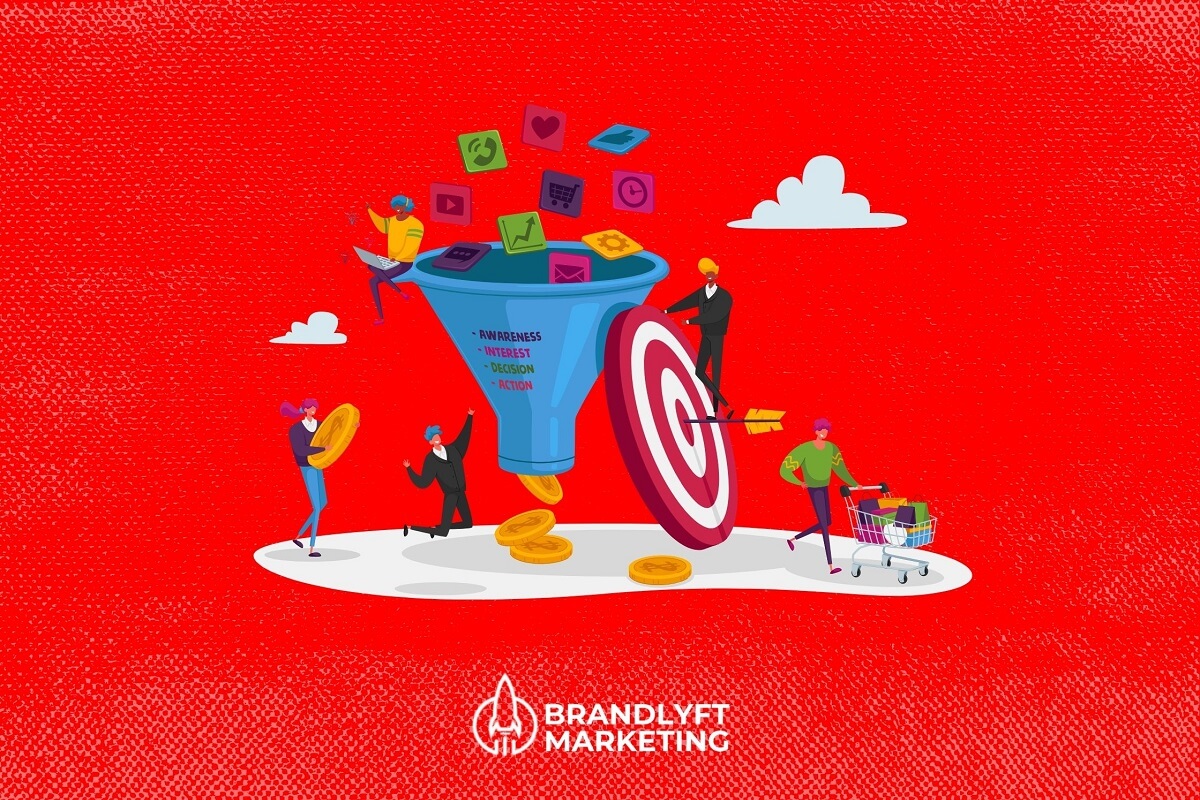
    Stage 1: Awareness

    Getting people to notice your product or service is the first step in the sales funnel. It’s where people first become aware of your product or service. Advertisements, social media, or word of mouth may lead them to learn about your company.

    It depends on your ability to generate sales and market to entice them down the funnel. In the lower and middle sales funnel stages, attention should be given to those prospects who have moved beyond awareness to interest.

    For example, a prospect becomes aware of your company for the first time during the awareness stage. You may have found them through an ad, a blog, a Google search, or a colleague who mentioned your product or service.

    Stage 2: Interest

    A prospect’s interest level will determine whether they are interested in your brand after learning about it. Your offer will be evaluated against competition based on the problem they are trying to solve.

    Stage 3: Decision

    With the insight you provide about your company, prospects can learn more about your offer’s packaging and pricing options. A sales page, webinar, or call helps to influence prospects during this stage.

    Stage 4: Action

    This is the point at which all of your work is put to the test: whether the prospect purchases something. The deal isn’t lost if they don’t. To stay on top of your prospects’ minds, you can create nurture campaigns.

    Sales Funnel

    Creating a sales funnel for your business

    Prospects must be able to move through your sales funnel before your sales funnel can exist. By using lead scoring, you can identify prospects’ behavior and engagement levels once you have them.

    You can create your own sales funnel by following these five steps:

    1. Build a landing page

    Most prospects will discover your company for the first time through a landing page. An ad, webinar, or ebook download landing page will be accessible if they click on it. Having a landing page that communicates your unique value proposition should be a top priority (considering that this may be the only chance you will have to wow prospects). You also need a form on the landing page to gather prospect information – to market to them in the future, you want to capture their email address.

    1. Offer something of value

    The next step is to get your prospects’ email addresses by giving them something in exchange. You can offer something of value on your landing page by offering a lead magnet, such as an ebook or whitepaper.

    1. Start nurturing

    Your prospects will then move from awareness to interest at this point. Furthermore, you can send educational content about your offering to each individual because you have all their email addresses.

    1. Upsell

    The more you offer prospects in the Decision stage, the more likely they are to purchase. Demos, extended free trials, or special discounts are possible.

    1. Keep it going

    If you do not acquire new clients, you will find out exactly why prospects do not want to buy. Regardless of your decision, stay in touch. Concentrate on educating new customers, keeping them engaged, and retaining them. Develop a follow-up series for prospects who do not make a purchase.

    Conclusion

    Create a sales funnel visualization and observe the metrics after its implementation. You will have a better understanding of where your business is succeeding and where it is falling short. The software eliminates the guesswork for your marketing department and presents clear solutions and answers.

  • What is a landing page

    What is a landing page

    We all know how important a website is for establishing your brand’s presence online, but what if you want your business to grow and bring in more referrals, leads, and sales? In the end, you’ll need a landing page, but most business owners aren’t familiar with how to develop one from scratch. What is the best place to begin? What do you write about? Is there a process for completing a design?

    You do not need to worry, as we have provided you with an in-depth, step-by-step guide to assist you in doing all this and more. The purpose of this article is to explain what a landing page is, why you need one, and how to create one that accomplishes your conversion goals.

     What is the purpose of a landing page?

    Typically, a landing page is a web page used to advertise or market a particular product or service. Consumers click through to this site after clicking on the URL to find out more about the products or services they are being offered.

    What’s the difference between a landing page and a web page?

    However, it’s essential to keep in mind that a landing page is still a different web page from a specific web page.

    Multiple links will be included on a web page, as will numerous goals to encourage visitors to read more articles, learn more about the author, or connect with the brand on social media.

    Unlike generic web pages, a landing page focuses on just one goal: to get the user to respond to its call to action. Visitors will click away without being distracted by main website navigation, resulting in fewer potential distractions and a more positive engagement experience.

    What types of landing pages exist

    Landing pages can be designed differently, but two main types are most commonly debated: short-form and long-form.

    #1. Short-form landing pages contain less information and therefore work well for increasing leads, particularly if you want your visitors to download your offer. There is less content on these pages, and therefore there is less chance of distraction. Furthermore, the visitor will be more likely to become captivated if the information is accessible, concise, and appealing.

    #2. Long-form landing pages, on the other hand, are commonly used to do a hard sell. You can benefit enormously from the persuasion and storytelling that a long-form page offers if your product or service carries a high price tag (such as premium online courses, exclusive training, or a high-value bundle).

    Short-form pages are designed to facilitate the visitor’s transition from the call-to-action directly to the first step of the shopping cart. Long-form pages use long copies to help the visitor make a quick and easy decision. There is a narrative structure in your proposal, so you have the opportunity to address everything from potential readers’ hesitations to how your product deals with their pain points, how it meets their needs, and more.

    You may also want to consider a static landing page versus a video landing page for your website designer.

    #3. With video landing pages, viewers can have hit-or-miss results, but it comes down to one important distinction: whether or not they can control the video. A study of B2B buyers found that 33% of them will leave a site for no other reason than to see automatic audio and video.

    Researchers found, however, that videos on landing pages that convey a certain mood or feeling (so a video depicting concert footage on a concert page, for example) can be compelling. Further, landing pages with videos and playback controls are 144% more likely to convert visitors who watched the videos than those who didn’t.

    #4. A static landing page, on the other hand, does not feature any video. The landing page idea follows that fewer distractions are better when creating a conversion: content and imagery are very important. When a page is static, its focus is on the user, as experienced through fixed content, rather than constantly updating visuals.

    Why are landing pages necessary?

    #1. Offers tailored to segmented audiences

    A separate landing page for every promotion you run is necessary if you’re targeting different segments of your customers. Depending on what kind of customer you are, you might have different offers for new customers, customers who have signed up for a free trial, or customers who are part of your high-tier plan.

    It is easier to adjust a campaign’s call-to-action, copy, and design to meet its intended audience when it has its specific page for each promotion.

    #2. A variety of products

    You might want to create multiple landing pages when selling multiple items or even if you’ve got a single item with multiple attributes. You can then create different landing pages for each context and target audience, effectively increasing conversions.

    #3. Multiple sources of traffic

    A marketer or advertising agency can create separate landing pages for every traffic source that they use, whether it’s email marketing, various social networking platforms, or other channels. What is the reason? In general, you will want to promote different messaging, imagery, and calls-to-action for each channel based on the audience they represent.

    Building conversion-optimized landing pages

    Landing pages are designed to convert prospects into customers. An effective landing page converts well.

    For a landing page to be successful, you must have the correct elements in place, regardless of how much traffic you get or how good your offer is.

    Are you interested in learning more? We’d love to hear from you.

  • 5 WAYS SEO CAN HELP BUSINESSES GROW

    5 WAYS SEO CAN HELP BUSINESSES GROW

    5 Ways SEO Can Benefit the Growth of Your Business

    Search engines are one of the more significant channels online. It has been reported that 68% out of the total online experiences start by using search engines, according to BrightEdge.

    According to this, your business will not have as much attention as you want it to if it does not show up on page one of the search results. Now, this is where the benefit of using SEO comes into play. The definition of SEO or Search Engine Optimization is a process to maximize the number of visitors to visit a specific website.

    This is done by making sure the website makes it high on the list of results on a search engine page (preferably, the first page of the search engine). Whereas “The key to receiving additional traffic depends on how well the content is integrated into the search engine optimization as well as the marketing for social media.”

    SEO is to optimize a website based on a checklist containing a list of various factors which are considered by search engines anytime web pages are being ranked. For instance, should you want your website to show up on the search results on the first page, then you must optimize your website using all the factors.

    Related:

    21 Myths On SEO
    What Is SEO Copywriting
    SEO VS PPC
    Does digital marketing work for small businesses

    You Can Benefit Five Ways Using SEO

    Search Engine Optimization needs to be thought of as a significant part of the marketing strategy in all businesses, regardless of the size of the business. But prior to learning how to optimize a website, it is crucial that you first learn the five benefits you get from using SEO.

    Helps You achieve Your Target Audience

    Content optimization is one of SEO’s most popular strategies. When you do this, you will be able to be ranked due to using popular keywords, meaning search queries relating to your website. For instance, should you want to be ranked for using the term “keywords, what are they,” you would only have to optimize your blog to use that keyword.

    How do you choose the right keyword? By performing keyword research. This entails the use of a platform so you can see if those keywords are popular ones if they can convert, and where you stand with your competition. If you can optimize your content to go with the right keywords, your business will be capable of reaching the consumers who have an interest in your services and/or products, and your business will be successful.

    You want to choose keywords that are going to reach customers at whatever stage they are in their journey of purchasing. Remember, it must include being considerate, having awareness, and be able to make the right (best) choices.

    You Can Receive Long-Term Results

    Although effective, traditional marketing poses a problem as it will be short-lived. You will end up putting more and more money into it if you want to be rewarded. Keep in mind that landing a spot-on television and/or running some print ads will gradually become more expensive, for this will be effective for a short period of time.

    Would not want you to misunderstand, but SEO is not going to be free! However, it does have long-term results to offer you. Things will improve for you so long as you stay updated by continuing to tweak and monitor your website’s presence. In the long run, SEO ROI is better than paid digital campaigns.

    In the meantime, it would be important for you to note that SEO is going to take whatever time it needs to show the results. It is suggested for you to choose the option of combining a mixture of several types of marketing efforts.

    For just a minute here, let us pretend that you oversee a vehicle dealership. So, throughout the launching phase, you could invest some into traditional marketing just to give your product/services a boost of awareness. While your business continues to grow, you want to focus on using SEO to optimize your vehicle dealerships website, using the right keywords. You should be able to handle both, running digital ads and working with SEO both.

    Helps to Reach Your Customers on Mobile

    Based on information from Statista, mobile phones provide about 52% of site traffic in the world. So, making sure that your site is mobile-friendly is something that needs to be done. Based on the time that it takes to market, it can be easy to forget to make sure that your site is mobile-friendly. However, if you have an SEO strategy, then make sure that you include mobile SEO.

    Your website needs to be optimized for mobile because Google will look at mobile pages first when it comes to ranking your site. That means that however well your site performs on a mobile device will play a big part in your rank on Google.

    Helps in Building Trust

    There are tons of options that a customer can pick from in basically every niche and industry. If you want to grow your business, you need to set yourself apart by appearing trustworthy and credible.

    Modern customers are well informed, and they know your intentions behind any promotional content because there is a lot of it on the internet. Customers tend to rely more on the first few search engine results than something that they see on an ad on Instagram.

    Another big factor for ranking is backlinks. That means that websites can link back to your platform. The more backlinks that your site has, the higher your rank is going to be because backlinks act as a type of confidence vote. When Google looks at it, the more quality backlinks that you have, the more credible your site will be.

    Google, as well as other search engines, use ranking algorithms to put value to sites that can offer meaningful experiences to customers. If you want to satisfy your customers through a search engine, that means that you are going to have to have perfected the user experience. Good user experiences mean that your business will get more conversions, traffic, and happy customers.

    Keep in mind that SEO is more than just rankings. It is about showing search engines that your site has value, and you are constantly improving user experience. Good Seo will always lead to conversions.

    SEO
    Helps You Keep up with Your Competitors

    Whenever you want to rank high on search engine result pages, then you are going to need to rank above your competitors. These competitors are most likely already using an SEO strategy as part of a marketing plan. SEO business strategies are there to help you reach past your competitors. When you have the right type of planning, you can boost your site above what the others have displayed for the same keywords.

    Consistently updated SEO content can help to remind your customers of your business. Competitors who have stopped worrying about their SEO will not keep those high rankings for a long time.

    The best way to do this is to post regular content based on your keywords. That is going to help you to rank for a variety of keywords that your competitors have been ranking for. The more often that you tend to post, and the whiter hat SEO strategies that you use, the better that your rank will be.

    Just keep in mind that many people do not click on the second page of search results. That means that it is especially important for your business to rank as high as possible on the results page. If you do not have a high ranking, then you are letting your competitors get all the clicks and sales. Once you have a chance to rank above your competitors, then you will have to plan for a long-term SEO strategy that is going to keep you on the front page of SERPs.

    Your Business Needs SEO

    SEO is the one thing that can help your business to grow in more ways than you are able to think of. You want to ensure that you are creating a solid strategy that can help to add all parts of SEO. If you have a small business and do not have thousands of dollars for you to spend on the cost of SEO as it will help your business in the long run.

  • Working with Kalor’s Septic Servicing

    We had the opportunity to develop a new website for a local business here in our hometown of Cartersville Georgia. Kaylor Septic provides septic tank pumping, repairs, and upgrades to customers all across the counties surrounding Bartow county. We had the pleasure of designing their website and we look forward to seeing their online presence skyrocket with an SEO-friendly site design that flies and is ready to convert visitors into customers.

    Here are some of the features of the website that we incorporated:

    • Custom WordPress Design
    • HyperLocal Services Pages for SEO ranking
    • Compressed Files & Alt Tags Optimized For SEO Keywords
    • Instant Chat That Sends Leads-to-Text Notifications
    • WordPress Tuned Hosting On Our Flywheel Servers

    There are more things under the hood and things we’ll be doing month to month to get that SEO ranking high in the organic search results, but that’s a secret. If you’re a small business owner, we’d love to give you a demo site and proposal on what our tiny but mighty sites can do for your business.