Author: Paul @ BrandLyft

  • Nextdoor Leads Do Not Share One Attribution Path

    Nextdoor Leads Do Not Share One Attribution Path

    A homeowner sees a roofing recommendation on Nextdoor, calls the company two days later, and books an inspection. Another neighbor taps a paid ad, lands on a tracked page, and submits a form. A third person fills out a Nextdoor lead form without visiting the website at all.

    All three may become jobs. They do not arrive with the same source evidence.

    That is the starting point for Nextdoor lead attribution. A single label such as “Nextdoor” may describe the channel, but it does not explain whether the inquiry came from a paid website click, native form, call, message, recommendation, or self-reported referral. The tracking method has to match the entry path.

    For a home-service business using GoHighLevel, the practical job is to preserve the strongest source evidence available when the opportunity is created, then connect the appointment, won job, completed work, or collected revenue without letting later activity rewrite the original job source.

    Nextdoor Lead Attribution Starts With the Entry Path

    Nextdoor can produce several kinds of contact. Treating them as one technical source creates clean-looking reports and weak conclusions.

    A useful source map separates at least these paths:

    • Paid website click: The person taps an ad and reaches a page the business controls.
    • Native lead form: The person submits details inside Nextdoor without visiting the website.
    • Direct call: The person taps a call action or uses a phone number shown on the Business Page or ad.
    • Business Page message: The conversation begins inside Nextdoor messaging.
    • Recommendation or organic discovery: A neighbor sees a recommendation, post, or Business Page, then contacts the company later through another route.
    • Opportunity Alert: The business responds to a nearby service request and the eventual inquiry arrives later.

    Each path carries different identifiers. Website clicks may preserve UTMs and browser-session data. Native forms may carry platform metadata through an integration. Recommendations that turn into calls on the main number may carry nothing except the customer’s answer when staff asks how they heard about the company.

    BrandLyft’s older HighLevel and Nextdoor integration article gives the broader channel context. This article focuses on the measurement layer after those inquiries begin moving into the business.

    BrandLyft’s home-services work connects the wider call, booking, and job path.

    Separate Channel, Entry Path, Campaign, and Source Confidence

    One source field should not hold every part of the attribution story.

    A practical structure can separate:

    • Channel: Nextdoor
    • Entry path: Paid website click, native form, click-to-call, Business Page call, message, recommendation, Opportunity Alert, or self-reported referral
    • Campaign: The paid campaign name or ID when known
    • Ad or creative: The ad-level identifier when available
    • Source confidence: Verified, tracked, self-reported, staff-entered, inferred, or unknown

    This separation keeps durable information apart from temporary campaign naming. “Nextdoor” remains the channel even after a campaign ends. The entry path explains how the person contacted the company. Campaign and creative fields carry the paid-ad detail. Source confidence tells the reader how much proof sits behind the label.

    A staff-entered source can still be useful. It should not be presented as the same kind of evidence as a tracked click or native lead record.

    Track Paid Website Visits With UTMs and the Nextdoor Pixel

    Paid traffic that reaches a business-owned page gives the strongest opportunity for deterministic tracking.

    Use a campaign URL with consistent UTM values. The landing page or form should preserve the source, campaign, content, and other useful parameters. Hidden fields can save those values into the contact or opportunity record when the business controls the form.

    The Nextdoor Pixel serves a different job. It records website conversion events for Nextdoor Ads reporting. UTMs help the CRM understand the visit. The Pixel helps Nextdoor connect website actions to its advertising.

    Those systems should use the same naming logic, but they should not be mistaken for one data source.

    HighLevel records first and latest attribution on the contact. That gives useful session history, but later activity can change the latest attribution. When the person returns through Google or email before the job closes, the contact’s latest source may no longer represent the Nextdoor opportunity that started the work.

    Move Native Lead Forms Into GHL Without Inventing Website Data

    A Nextdoor-native lead form does not pass through the business website. It will not carry the site’s hidden fields, website number swapping, or browser session.

    Map the native lead into GHL through an available path such as Nextdoor’s Zapier CRM integration and preserve the platform fields that actually exist:

    • Nextdoor channel
    • Native lead-form entry path
    • Campaign or form identifier
    • Submission time
    • Contact details supplied
    • Service or request information
    • Integration source

    Check for an existing contact before creating another one. Then decide whether the submission should create a new opportunity, update an open opportunity, or route to staff for review.

    Do not fill missing UTM fields with guessed values. “Native form” is more accurate than pretending the contact visited a campaign landing page.

    When “Nextdoor” Hides Several Different Sources

    Check the GHL Fields and Opportunities Before More Data Gets Patched In

    Already using GoHighLevel? Use the Rescue Decision Guide to inspect capture, source fields, ownership, workflows, and reporting before another workaround enters the account.

    Use the Rescue Guide

    Building the source model from scratch? Review GoHighLevel Partner support.

    Direct Calls Need a Different Tracking Method

    Call attribution depends on where the number appears.

    A static number dedicated to Nextdoor can identify calls that use that number. It may cover a Business Page, a click-to-call ad, or another Nextdoor placement. The method identifies the broad source, but it may not distinguish the exact campaign, ad, recommendation, or surface unless the business uses separate numbers.

    A HighLevel website number pool works differently. The number changes on a controlled website according to the visitor session. That can connect a Nextdoor ad click with a later website call.

    The pool does not help when the person taps a Nextdoor click-to-call action and never visits the site.

    Choose the method based on the path:

    • Use campaign URLs and website number swapping for paid visits that reach the site.
    • Use a static source number when the call begins directly from Nextdoor.
    • Use staff source capture when the caller reaches an untracked main number.

    BrandLyft’s Speed to Lead work supports the response side once the call enters GHL. Attribution still needs the correct number and source rules before the phone rings.

    Record Messages and Recommendations Without Pretending They Were Clicks

    Organic Nextdoor activity often produces incomplete source evidence.

    A person may see a recommendation, read a neighborhood discussion, visit the Business Page, and call the main business number several days later. No UTM or click ID may survive that path.

    Ask a source question during the form, call, or booking flow:

    How did you first hear about us?

    Preserve the customer’s answer along with who entered it and when. A recommendation can be marked as self-reported. A staff member who infers Nextdoor from the conversation should use a lower confidence value.

    Do not overwrite verified paid attribution merely because the customer also remembers seeing a recommendation. The business may need both facts: the tracked acquisition path and the customer’s remembered influence.

    Opportunity Alerts and Business Page messages need a deliberate handoff into GHL. The office should record the Nextdoor entry path, create or match the contact, and attach the conversation notes before an opportunity is created.

    Freeze the Source on the Opportunity

    Contact attribution and job attribution answer different questions.

    First and latest attribution describe recorded touchpoints for the person. An opportunity source should describe the acquisition evidence for one specific inquiry or job.

    A homeowner may first hire the company through Nextdoor, return through Google months later, and request work at another property. Giving every future job to the first Nextdoor source overstates the channel. Giving the first job to the latest Google visit can understate it.

    When the opportunity is created:

    1. Copy the strongest available source evidence into opportunity-level fields.
    2. Save the entry path, campaign details, and confidence level.
    3. Keep the snapshot stable unless staff document a correction.
    4. Attach appointments, estimates, won status, and final value to that opportunity.
    5. Create a separate opportunity when a later acquisition event starts another job.

    This model keeps the contact history intact while protecting the source tied to the individual job.

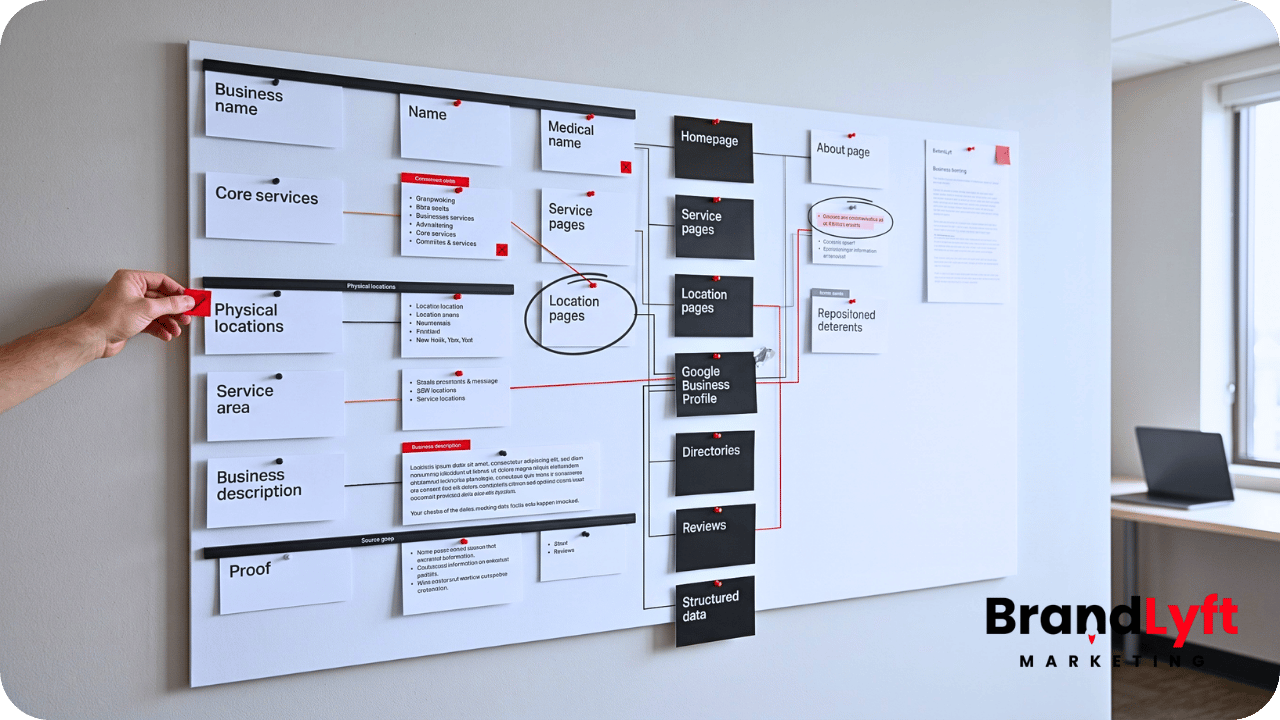
    Nextdoor lead attribution separated between contact history and the source saved on a GoHighLevel opportunity

    Decide Which Conversion the Report Will Count

    “Booked job” and “revenue” are not the same event.

    A home-service path may include:

    • Lead created
    • Contact made
    • Inspection or appointment booked
    • Appointment completed
    • Estimate sent
    • Estimate accepted
    • Job scheduled
    • Job completed
    • Invoice issued
    • Payment collected

    Choose the event that matches the question.

    Booked appointments show whether the lead-response process works. Accepted estimates or closed-won jobs show sales performance. Completed work reflects delivery. Collected payment reflects cash received.

    The opportunity value must also have one definition. Estimated value, contract value, completed-job value, invoice amount, and collected payment should not share one field without clear rules.

    Bring the Final Outcome Back From the Job System

    GHL may capture the inquiry and book the visit while another system owns dispatch, estimating, invoicing, or payment.

    In that setup, attribution stops early unless the final result returns.

    A small business may update the opportunity manually after the job closes. Larger teams may need Zapier, a webhook, or an API connection that returns:

    • Job identifier
    • Final status
    • Completed date
    • Contract or invoice value
    • Collected amount when needed
    • Location or service line

    BrandLyft’s API Integration service fits this point when CRM, dispatch, field-service, accounting, and marketing tools need to exchange the same job result.

    Do not call an estimated GHL opportunity value “closed revenue” when the official amount lives elsewhere and never returns.

    Keep CRM Reporting and Nextdoor Ads Reporting Separate

    The CRM and the ad platform answer related questions.

    GHL reporting should show which Nextdoor inquiries became appointments, won jobs, completed work, or revenue. Nextdoor Ads reporting should show which paid campaigns received credit for website or offline conversion events.

    The Nextdoor Pixel can report website events. The Conversion API can send website, app, or offline events back to Nextdoor. A mature paid setup may send a qualified lead, won job, or other approved downstream event after the business defines the event and matching data.

    Pixel and CAPI events also need deduplication rules so the same conversion does not count twice.

    None of that reconstructs an organic recommendation that never carried an identifier. Keep paid-ad attribution, CRM job attribution, and self-reported influence visible as separate evidence.

    Test the Failure Paths Before Trusting the Dashboard

    A clean test lead from one ad proves very little.

    Run scenarios that expose the source model:

    • Paid click submits the website form with complete UTMs
    • Paid click calls through a swapped website number
    • Click-to-call lead never visits the site
    • Native lead form matches an existing contact
    • Business Page call uses the static Nextdoor number
    • Recommendation lead calls the untracked main number
    • Contact returns through Google before the Nextdoor job closes
    • One contact creates a second job from another source
    • Integration creates a duplicate opportunity
    • UTM or campaign data is missing
    • Job system fails to return the final value
    • Pixel and CAPI send the same event

    Check the contact attribution, opportunity snapshot, campaign fields, confidence level, owner, pipeline, job identifier, final status, and value for every case.

    HighLevel dashboards can filter contact and opportunity widgets by first or latest attribution and UTM values. Those controls help only when the business has decided what each field means and which record owns the job-level source.

    Know When Attribution Needs More Than Standard GHL Setup

    Standard configuration may be enough when the business uses one landing page, one call path, one pipeline, and manual job updates.

    The setup grows harder when Nextdoor native forms, several tracking numbers, multiple locations, offline revenue, duplicate rules, Pixel, CAPI, field-service software, or accounting systems all participate.

    At that point, the work is not another source tag. The business needs a defined data contract:

    • Which system creates the contact?
    • What event creates the opportunity?
    • Which fields freeze the source?
    • Where do the job status and value live?
    • What result returns to GHL?
    • Which conversion goes back to Nextdoor?

    BrandLyft’s Revenue System Build connects capture, routing, follow-up, pipeline movement, and reporting. Custom integration work becomes necessary when the final job outcome sits outside GHL.

    Attribution Is Only as Strong as the Evidence That Survived

    Nextdoor lead attribution should not turn uncertain data into a certain story.

    A paid website click, native form, tracked call, Business Page message, and neighbor recommendation may all create valuable work. They do not produce the same proof.

    Classify the entry path, preserve the strongest evidence at the opportunity level, choose the conversion that matters, and return the final job result from the system that owns it. The report can then show what the business knows, what the customer reported, and what remains unknown.

    When the Lead Starts in Nextdoor but the Revenue Ends Somewhere Else

    Map the Attribution Path Across GHL and the Job System

    Bring the current ads, forms, tracking numbers, pipelines, booking process, and revenue system. BrandLyft can help define how source data enters, where it stays, and how the final job result returns.

    Book the Attribution Review

    Need the systems connected before the report can be trusted? Review API Integration.

  • The Workflow Should Stop Before the Conversation Becomes Advice

    The Workflow Should Stop Before the Conversation Becomes Advice

    A prospective client fills out a form asking about a financial product, consultation, policy, loan, or credit service. The account records the inquiry, a workflow starts, and a message goes out before anyone has decided what the system may say, who may handle the request, or where automation should stop.

    That is the real risk in using GoHighLevel for financial services. The platform can capture contacts, route opportunities, send approved messages, and book consultations. It should not be given an undefined role that drifts from marketing follow-up into advice, servicing, complaint handling, or another area the firm expects a qualified person to review.

    The first build decision is not which workflow to activate. It is where the workflow’s authority ends.

    This article covers the pre-consultation layer: inquiry capture, communication permission, routing, booking, human-review gates, and reporting. It does not provide legal or compliance advice, and it does not assume that advisers, insurers, mortgage businesses, and credit-service companies follow one shared rulebook.

    Give GoHighLevel for Financial Services One Defined Job

    GoHighLevel can be useful at the front of a financial-services inquiry path. It can record how a prospect arrived, collect basic contact details, create an opportunity, notify the right team, send approved acknowledgments, offer a consultation, and show which inquiries still need action.

    That is a narrower job than running the whole client relationship.

    Before the build begins, decide which activities remain outside GHL or require another approved system. Depending on the firm, those may include personalized advice, suitability decisions, underwriting, account servicing, complaint resolution, document exchange, transaction instructions, or formal books and records.

    BrandLyft’s GoHighLevel Partner work should begin with that boundary. The platform setup follows the approved business process — it does not decide the process for the firm.

    Classify the Inquiry Before Any Follow-Up Starts

    A form submission does not automatically belong in a sales pipeline.

    The person may be a new prospect, an existing client, someone raising a complaint, or a visitor asking a question that requires licensed or authorized judgment. A generic workflow can treat all four as leads and send the same follow-up sequence.

    That creates the wrong kind of speed.

    Use an early classification step such as:

    • New prospect inquiry
    • Existing-client service request
    • Complaint or dissatisfaction
    • Advice-seeking or sensitive question
    • Wrong department or unsupported request

    Only the true prospect path should enter ordinary lead nurture. Existing clients need the correct service channel. Complaint language should trigger the firm’s approved escalation. Sensitive questions should stop automated content until the right person reviews the conversation.

    The classification does not need to diagnose the issue. It needs to prevent the wrong automation from continuing.

    Separate Preference, Permission, DND, and Firm Policy

    These four states are related, but they are not interchangeable.

    Communication preference records how the contact would like to hear from the firm. Someone may prefer SMS, phone, or email.

    Permission or consent basis records why the business believes a particular communication may occur. The useful record may include the source, date, form, disclosure version, business entity, and channel involved.

    Do Not Disturb status controls whether HighLevel may send through a channel. HighLevel supports channel-specific and broader DND settings, along with workflow actions and triggers tied to those changes.

    Firm policy decides what the business allows. A contact may prefer SMS and have no SMS DND flag, while the firm’s approved process still requires human review before that message type goes out.

    Do not treat “DND off” as proof that outreach is approved. DND is an execution control inside the platform. It does not, by itself, explain where permission came from, what the contact saw, which business obtained it, or what the firm’s current rules allow.

    The HighLevel DND guide explains how communication can be blocked by channel. Firms should map that platform state to their own current legal, supervisory, and business requirements.

    Official guidance also changes. The FCC publishes TCPA consent and revocation material, while the FTC publishes Telemarketing Sales Rule guidance. Applicability depends on the business, message, channel, relationship, and surrounding facts. The workflow should follow the firm’s approved interpretation rather than a generic template.

    Put Contact Facts and Opportunity Facts in the Right Place

    Good field design matters because one person can have several inquiries over time. A GoHighLevel for financial services build should separate lasting contact facts from the details of one prospect opportunity.

    Contact-level fields usually describe the person or the ongoing communication relationship. Opportunity-level fields describe one specific prospect path.

    Contact-level information may include:

    • Preferred communication channel
    • Channel-specific DND status
    • Permission source and date
    • Existing-client indicator
    • Preferred language
    • Primary relationship owner when appropriate

    Opportunity-level information may include:

    • Product or service interest
    • Inquiry source
    • Consultation type
    • Assigned prospect owner
    • Human review required
    • Review status
    • Consultation date
    • Next approved action
    • Reason the opportunity closed

    HighLevel provides separate custom fields for contact data and custom fields for opportunity data. Use that distinction deliberately.

    Avoid storing the same decision in a tag, pipeline stage, contact field, and opportunity field unless each item has a clear job. Several versions of “review complete” will eventually disagree.

    A current field value may also fail to show the historical state under which an earlier message went out. When the firm needs a true record of changes, approvals, or retained communications, confirm where that history must live.

    GoHighLevel for financial services contact fields and opportunity fields separated before automation

    Build a Human Gate Before the Conversation Becomes Advice

    Automated follow-up should handle only the messages the firm has approved for automation.

    A prospect can receive a neutral confirmation, consultation options, a reminder, or a request for missing intake information. The workflow should stop when the conversation shifts into personalized advice, a sensitive financial question, a complaint, or another topic that needs authorized judgment.

    The human gate should define:

    • Which words, answers, forms, or staff actions trigger review
    • Which role may accept the inquiry
    • What information the reviewer receives
    • Which automations pause
    • What happens when nobody accepts the task
    • Where the final response and required record belong

    HighLevel’s Conversation AI Human Handover action can pause a bot, assign a conversation, create a task, notify staff, and tag the contact. Those actions support routing. They do not prove that an authorized reviewer accepted the inquiry, approved the response, sent it, or retained the required record.

    Track those events separately:

    • Automation stopped
    • Reviewer notified
    • Inquiry assigned
    • Authorized reviewer accepted
    • Response approved
    • Response sent
    • Required record retained

    For FINRA member firms, communications, supervision, and recordkeeping can involve rules such as FINRA Rule 2210 and FINRA Rule 3110. Those rules do not apply to every business named “financial services,” and GHL assignment should not be mistaken for supervisory approval.

    Before the First Follow-Up Goes Live

    Check Where the Workflow Needs a Human Gate

    Already using GoHighLevel? Use the Rescue Decision Guide to review capture, ownership, routing, workflows, calendars, and reporting before more automation enters the account. This is a system check, not a compliance review.

    Use the Rescue Guide

    Still deciding whether GHL fits the process? Review GoHighLevel Partner support.

    Route by Business Line, Relationship, and Staff Authority

    Routing by geography or round robin is not enough for this article’s audience.

    The same inquiry source may contain insurance prospects, mortgage inquiries, credit-service leads, or advisory questions. Existing relationships, staff licenses, business lines, product ownership, office hours, and review authority may all affect the destination.

    A useful routing rule asks:

    • Is this a prospect or an existing client?
    • Which business line owns the inquiry?
    • Does the question require human review before any answer?
    • Which employee may handle that topic?
    • Who receives the fallback when the first person is unavailable?
    • Which system should hold the next action?

    BrandLyft’s Speed to Lead work can support rapid acknowledgment and routing. In financial services, speed should sit behind correct classification. Sending the wrong automated response faster is not an improvement.

    Keep Complaints and Existing Clients Out of Prospect Nurture

    A financial-services pipeline becomes unreliable when every form submission creates the same opportunity.

    An existing client asking about an account should not receive a new-prospect sequence. Complaint language should not trigger consultation reminders. A person who requests no further contact should not re-enter nurture because another form or integration fires.

    Build separate entry and exit rules for:

    • Existing-client requests
    • Complaint or dissatisfaction signals
    • Channel opt-outs
    • Advice-seeking questions
    • Duplicate inquiries
    • Contacts already under active review

    Some firms may need a separate complaint record or approved service platform rather than a sales opportunity. The workflow should route the matter to that process without trying to resolve it automatically.

    Reviewing the broader GoHighLevel setup mistakes can help when existing automations already create activity without clear ownership or boundaries.

    Report on Control, Ownership, and Booked Consultations

    Response time and booked consultations matter, but they do not tell the whole story.

    A GoHighLevel for financial services dashboard should also expose the places where automation paused, permission was unclear, or human review never finished.

    Useful reporting may include:

    • Inquiries by source and business line
    • Prospects with a recorded permission source
    • Channel-specific DND changes
    • Messages suppressed by workflow rules
    • Inquiries waiting for human review
    • Review accepted but not completed
    • Complaints removed from the prospect pipeline
    • Existing clients removed from lead nurture
    • Unowned opportunities
    • Stale leads with no approved next action
    • Consultations booked by source
    • Duplicate opportunities
    • Workflow failures and manual overrides

    The dashboard should help the team distinguish a healthy stop from a broken one. Automation pausing for authorized review may be correct. A task sitting unaccepted for two days is a different problem.

    Test Revocation, Misclassification, and Failed Review

    A successful form submission and consultation booking prove only the happy path.

    Pre-launch testing should use cases that challenge the boundaries:

    • A new prospect with a clear permission source
    • A prospect with no recorded permission source
    • SMS opted out while email remains available
    • Global DND enabled
    • A contact revokes permission after entering a workflow
    • An existing client submits a lead form
    • Complaint language appears in chat or email
    • A prospect requests personalized advice
    • The inquiry reaches someone without the approved authority
    • A reviewer receives the task but never accepts it
    • The bot resumes while human review remains open
    • A duplicate contact or second opportunity already exists
    • The lead source is missing
    • An integration fails before the record reaches the firm’s primary system

    For every case, inspect the contact, opportunity, permission state, DND status, owner, review status, workflow history, outgoing messages, and final record. A system that passes only the expected path is not ready for real traffic.

    Know When GHL Needs an Integration or Custom Layer

    Standard configuration may be enough for a simple prospect form, approved reminders, one consultation calendar, and straightforward ownership.

    The build becomes more demanding when the firm needs several business lines, separate servicing systems, approval records, document storage, complex retention rules, role-based access, duplicate prevention, or reporting across outside platforms.

    At that point, a GoHighLevel for financial services account may remain the front-end marketing and appointment layer while another approved system holds the official client, complaint, transaction, or communication record.

    BrandLyft’s Revenue System Build can connect inquiry capture, routing, booking, follow-up, and reporting around the firm’s approved process. Custom development or API work may be needed when the boundary crosses several systems.

    The right answer is not always to build more inside GHL. It is to give each system a clear job and test the handoff between them.

    Automation Should Know Where Its Authority Ends

    GoHighLevel for financial services can make pre-consultation follow-up faster and easier to see. That value depends on a narrow operating role.

    The account should classify the inquiry, record communication state, route it to the correct business line, offer approved next steps, and stop when authorized human judgment is required.

    The strongest workflow is not the one that sends the most messages. It is the one that knows when not to send the next one.

    When GHL Needs to Fit an Approved Communication Process

    Map the Pre-Consultation Path With BrandLyft

    Bring the current inquiry sources, routing rules, review steps, booking path, and reporting needs. BrandLyft can help translate the approved process into a working GHL build.

    Book the GHL Fit Review

    Need the wider capture, routing, and reporting layer connected? Review Revenue System Build.

  • The Conversation Should Survive the Channel Change

    The Conversation Should Survive the Channel Change

    A visitor opens a practice website after normal hours and asks whether a service is available at the nearest location. The AI chat answers the first question, then the visitor closes the page. Later, a text arrives with no reference to the original request. The location choice is missing, the calendar does not match, and the staff member who takes over asks the visitor to explain everything again.

    AI chat with SMS follow-up should prevent that restart. The conversation needs to carry the same contact, question, location, appointment status, and owner across every channel change.

    The hard part is not producing the first automated reply. It is keeping the conversation intact when the browser closes, the visitor chooses another location, a booking path opens, or a person needs to step in.

    The Chat Type Decides What Happens After the Browser Closes

    Live chat, text follow-up, and human transfer do not automatically form one experience.

    A browser chat may work only while the visitor stays on the site. An email or SMS chat can continue through another channel. An all-in-one widget may offer several contact choices. Each option creates a different path for identity, consent, timing, and staff ownership.

    HighLevel’s chat widget guide separates Web Chat, Email/SMS, social, Voice AI, WhatsApp, and other supported channels. The practice must decide which experience it is actually offering before writing prompts or routing rules.

    That decision should answer:

    • Does the conversation stay inside the browser?
    • Will the visitor provide a phone number before leaving?
    • Does the practice promise an immediate human reply or later follow-up?
    • Which channel becomes the continuing record?
    • What happens when the visitor does not provide contact details?

    BrandLyft’s AI Live Chat service fits the website side of this path. The rest of the system still needs rules for what happens when the conversation leaves the page.

    Define Intake Before the Bot Starts Asking Questions

    For this article, intake means basic pre-appointment information used to route an inquiry, offer the right booking path, or bring in a staff member. It does not mean diagnosis, symptom assessment, treatment advice, clinical urgency decisions, or a full patient history.

    A practice should decide the smallest useful set of details before the AI starts collecting information. That may include:

    • Name
    • Phone number
    • Email when the next step requires it
    • Preferred location
    • Reason for contacting the practice
    • Requested service or appointment type
    • Preferred day or time
    • Permission to continue by SMS

    Each field needs a reason. HighLevel can collect visitor details before a live chat begins, but the practice still decides what to ask and how the answers will be used.

    Capture Identity and SMS Permission as Separate Decisions

    A phone number identifies a possible contact channel. It does not automatically grant permission for every later text. AI chat with SMS follow-up needs to treat identity and consent as separate decisions.

    The practice should tell the visitor who will text, what message to expect, and how to opt out. HighLevel’s SMS compliance settings can add sender identification and opt-out language to initial messages, but the workflow must still respect a visitor who declines or later opts out.

    Do not make SMS permission a hidden condition for using the website chat. The visitor may prefer email, a phone call, self-booking, or no follow-up at all.

    Once the person agrees to text follow-up, the first message should identify the practice and connect back to the website conversation. A vague “How can we help?” text forces the contact to restart.

    AI Chat With SMS Follow-Up Needs One Contact Record

    A transcript alone does not create continuity.

    The system also needs to preserve the contact record, selected location, service request, current channel, appointment state, active owner, bot status, and expected next action.

    The visitor may already exist under another location, have an appointment, use another email address, or return through a form after the chat. A careless setup can create duplicate contacts or two staff members replying at once.

    Before switching from chat to SMS, check:

    • Does the phone number match an existing contact?
    • Is there an open conversation or appointment already?
    • Which location currently owns the inquiry?
    • Should a location change update the same opportunity or create another one?
    • Can staff see the earlier chat without searching another inbox?

    BrandLyft’s lead-routing article covers the wider ownership problem across locations. For AI intake, the important test is simpler: one person should not become several disconnected records because the channel changed.

    Route by Location, Service, Hours, and Availability

    A preferred location is only one routing input.

    The nearest office might not offer the requested service, have the correct provider, or show a suitable appointment. A shared intake team may also handle the first response before a local employee takes over.

    The system should distinguish:

    • Requested location
    • Eligible location
    • Available location
    • Assigned location
    • Booked location

    Those values may match, but the workflow should not assume they always will.

    Location routing also needs a fallback. When the selected office is closed or unavailable, the AI should explain the next honest option: another eligible location, an available appointment, staff follow-up during stated hours, or the end of the path when the practice cannot help.

    Choose the Next Branch: SMS, Booking, or Human Help

    Not every visitor needs to complete the same sequence.

    After the AI gathers enough context, the conversation may move into one of several branches:

    • Continue through SMS after the browser session
    • Offer the correct appointment calendar
    • Send the inquiry to the right location team
    • Bring in a person for judgment or clarification
    • Create an after-hours follow-up task
    • Close the path when the practice cannot serve the request

    Booking and human help can be alternatives. SMS may support either branch, or it may not be needed. AI chat with SMS follow-up becomes useful only when the system knows which outcome applies and what information must move with it.

    When the First Reply Is Only the Beginning

    Connect Website Chat to the Rest of the Inquiry Path

    See how BrandLyft connects website conversations with useful intake, location routing, booking, and staff takeover without making the contact start again.

    Review AI Live Chat

    Need the conversation to continue by text? See SMS conversation follow-up.

    Human Handoff Is Not the Same as Live Takeover

    A handoff can assign the conversation, create a task, notify a user, or pause the bot. None of those actions proves that a staff member has entered the conversation.

    HighLevel’s Human Handover action supports assignment, notifications, tasks, tagging, bot pause settings, and a closing message. The practice still needs a visible acceptance rule.

    Track the difference between:

    • Handoff triggered
    • Staff notified
    • Conversation assigned
    • Staff member accepted
    • Human reply sent
    • Handoff resolved

    Use “live takeover” only when someone can respond during the promised window. When the system merely creates a task for later, tell the contact what will happen and when.

    AI chat with SMS follow-up transferring conversation context to a staff member at the correct practice location

    Pause the Bot When Staff Enters the Conversation

    A human takeover can fail when the bot keeps replying over the employee.

    Once a staff member accepts the handoff, automated answers should stop for the active conversation. Another contact message should not restart the bot while the employee is working the inquiry.

    Automation should return only after a deliberate status change, conversation close, or verified inactivity rule. A generic timeout can restart the bot too early.

    Staff should see whether the AI remains active, paused, or eligible to resume. Without that visibility, employees may hesitate to reply or assume the bot still owns the contact.

    Set an Honest Fallback When Nobody Is Available

    A multi-location practice should decide the availability promise before the widget goes live.

    “Talk to a person now” is inaccurate when the office only creates a next-day task. Use language that matches the real service:

    • Ask the team to follow up
    • Continue by text
    • Choose an appointment
    • Send this conversation to the practice
    • A team member will respond during these hours

    When nobody can take over, create a task, notify the correct location, preserve the transcript, keep the chosen channel open, and show the contact the next realistic step.

    BrandLyft’s Speed to Lead work applies when response timing, routing, and ownership need to function together. Faster messages do not help when the wrong location receives the task or nobody accepts it.

    Preserve Context Before the Staff Member Replies

    The employee taking over should not need to reconstruct the conversation.

    Give the staff member a compact handoff summary that includes:

    • Original question
    • Contact details already provided
    • Selected and eligible location
    • Requested service or appointment type
    • Preferred time
    • Current booking status
    • Chat and SMS history
    • Reason the AI requested help
    • Current owner
    • Expected next action

    The transcript remains useful, but staff should not have to read twenty messages to learn why the conversation reached them. A short summary should show what the AI asked, what the contact answered, and which promise the system made.

    Book Against the Correct Location and Appointment Type

    AI booking only works when calendar choices reflect real services, providers, hours, and locations.

    HighLevel supports multi-calendar booking in Conversation AI. The practice can map intent to different calendars and use fallback behavior when the request does not match cleanly.

    A fallback calendar should not silently offer the wrong service or office. When the AI cannot identify the correct calendar, it should ask a useful follow-up question or request human help.

    After booking, the same contact record should hold the location, appointment type, date, confirmation status, and any handoff notes. Rescheduling or cancellation should update that same path rather than create another conversation with no context.

    Test the Failures, Not Only the Happy Path

    A successful daytime booking proves very little.

    Test the full system with scenarios that expose identity, routing, consent, booking, and ownership problems:

    • New visitor during business hours
    • After-hours visitor
    • Visitor leaves before giving contact details
    • Contact declines or later revokes SMS permission
    • Invalid or undeliverable number
    • Wrong location or unavailable service
    • No suitable appointment time
    • Visitor asks for staff
    • Transfer target does not answer
    • Staff member accepts but never replies
    • Bot continues or resumes during human takeover
    • Existing contact stored under another location

    For every scenario, check the contact record, location, transcript, SMS status, appointment, owner, bot state, task, and final outcome.

    BrandLyft’s multi-location reporting article explains why total activity can hide local follow-up problems. The same issue applies here: a high number of AI replies does not prove that each location handled the inquiry correctly.

    When a Chat Widget Needs a Wider Build

    A standard widget may be enough when one location uses one calendar, one small team, and a simple set of approved questions.

    The build becomes harder with several locations, shared intake staff, external booking tools, duplicate-contact rules, webhook actions, or reporting across the full path.

    At that point, the work extends beyond chat configuration. BrandLyft’s Revenue System Build connects lead capture, routing, calendars, follow-up, ownership, and reporting. Practices already using HighLevel may need a deeper GoHighLevel Partner review when several workflows and location rules already overlap.

    AI chat with SMS follow-up should be tested as one intake path, not as separate chat, SMS, calendar, and staff tools.

    One Inquiry Should Not Become Four Separate Conversations

    The real test is not whether AI can answer one question on a website.

    The practice should follow the same inquiry after the visitor leaves the browser, changes location, continues by text, books, or asks for a person.

    AI chat with SMS follow-up works when contact identity, permission, location, appointment state, staff ownership, and conversation context survive every change. The contact should not need to begin again because the system changed channels.

    When Chat, SMS, Booking, and Staff Lose the Same Context

    Map the Intake Path Across Every Location

    Book a discovery call to discuss how the current website chat, texting, calendars, location routing, and human handoff fit together.

    Book the Intake Review

    Need the wider system connected first? Review Revenue System Build.

  • After-Hours Water Damage Calls Need a Confirmed Handoff

    After-Hours Water Damage Calls Need a Confirmed Handoff

    A property owner finds water spreading across a floor after normal business hours. They call a restoration company, reach voicemail, and submit a website form while looking for another number.

    The system records both contacts and may send an automatic text. None of that proves a person has accepted the inquiry.

    Water damage restoration lead response has one job that ordinary office follow-up does not: move an urgent inquiry into confirmed human ownership. The company needs to know who received the handoff, whether the location and service fit, and what operational step happened next.

    Until somebody accepts that responsibility, the lead is still exposed.

    Water Damage Restoration Lead Response Is Not an Automatic Text

    Emergency response can look active inside a CRM while the real handoff remains unfinished. A text sends, the on-call list receives a notification, and a task appears. The contact may even move into a pipeline.

    Those actions show system activity, not that a qualified person accepted responsibility and can move the inquiry forward.

    Confirmed ownership means one person or active team has acknowledged the request and taken the next step: a live call, assessment offer, dispatch decision, escalation, or clear record that the company cannot serve it.

    BrandLyft’s Speed to Lead service applies to this gap. Faster automation helps, but the response path still needs a person who can take over when the message turns into a real water-damage conversation.

    Separate a New Water Loss From Other Calls

    Not every urgent-looking contact should enter the same new-lead path.

    A property owner may report a new loss, a plumber may send a referral, or a property manager could call about a commercial site. Existing customers and out-of-area callers need different handling.

    Treating all of those contacts as identical creates bad routing and duplicate work.

    First determine whether the contact represents:

    • A new water-damage inquiry
    • A professional or referral-partner handoff
    • An update connected to an existing job
    • An unsupported or out-of-area request

    That classification does not require a long interview. It needs enough context to stop the system from creating a fresh sales opportunity every time someone contacts the company about the same property.

    One person may call, leave a voicemail, submit a form, and reply by text. Phone number, property address, contact history, and active-job status should stay connected so the team avoids conflicting expectations or duplicate dispatch decisions.

    Capture Enough Context to Route, Not Diagnose

    The intake step should help the right person understand the request without turning automation into a restoration expert.

    Useful information may include:

    • Property address
    • Caller name and best contact number
    • Residential or commercial property
    • The caller’s description of what happened
    • When the issue was first noticed
    • Any immediate concern stated by the caller
    • Insurance involvement when the caller volunteers it
    • Permission to continue the conversation by text

    Automation should record the caller’s words and flag urgent information for human review. It should not assess safety, diagnose the source, estimate damage, promise coverage, or give technical instructions.

    A short form or text exchange can collect routing context. The restoration team still makes the judgment.

    Route by Service Area, Coverage, and Real Availability

    Emergency routing should reflect how the company actually works after hours. Service area, current coverage, job type, overflow support, and escalation may all affect the handoff. Assigning whoever appears first in a user list does not prove availability.

    Several offices may need location-specific coverage groups. A smaller operator may use one on-call owner and a backup, while surges may require overflow.

    BrandLyft’s AI Voice Solutions may support after-hours or overflow intake when a live team cannot answer every call. That option still needs boundaries, routing rules, and a human takeover point. AI should help preserve the conversation, not make an unverified service promise.

    In HighLevel, call outcomes can start follow-up or internal actions through a Call Details workflow trigger. The platform event is only the beginning. The business must decide who receives the alert, what happens if they do not respond, and how the inquiry reaches a final status.

    Require the On-Call Person to Accept the Handoff

    The most important step is easy to miss because many systems stop at assignment.

    Assignment answers, “Who should receive this?”

    Acceptance answers, “Who has taken responsibility for it?”

    A useful handoff process should make acceptance visible. The assigned person might acknowledge the task, update the opportunity, choose a response status, or confirm through another internal action. Teams can use different methods, but silence cannot count as acceptance.

    An on-call owner should receive enough context to act:

    • Caller name and phone number
    • Property address
    • Lead source
    • Caller description and notes
    • Call, voicemail, form, and text history
    • Any service-area or coverage result
    • Current owner and escalation status

    Once someone accepts the handoff, the inquiry is no longer unowned. Until then, escalation should remain active.

    water damage restoration lead response moving from after-hours inquiry to confirmed on-call ownership

    When the Alert Does Not Prove Ownership

    Trace the Gap Between the Missed Call and the On-Call Team

    BrandLyft connects after-hours capture, routing, escalation, and human ownership so urgent inquiries do not stop at an automated message.

    Review Speed to Lead

    See how the wider system fits restoration work: Review the restoration response system.

    Escalate When the First Owner Does Not Respond

    An on-call schedule needs a fallback path.

    If the first person does not accept the inquiry, a delivered notification cannot count as coverage. The escalation route may involve a backup owner, manager, second office, call center, or overflow team.

    The escalation rule should answer four practical questions:

    • What action counts as acceptance?
    • How does the system recognize no response?
    • Who receives the next alert?
    • When does a person review the unresolved queue?

    Escalation is not the same as notifying more people at once. When everybody receives the alert but nobody owns the next move, the ambiguity remains.

    A clean response path should show the current owner, the previous attempt, and the reason the inquiry moved to someone else.

    Missed-Call Text-Back Should Preserve Contact, Not Promise Dispatch

    Missed-call text-back gives the company another chance to connect. HighLevel’s missed-call text-back feature sends an SMS after an unanswered inbound call.

    That message should acknowledge the missed call, identify the company, invite a short reply, and set an honest expectation about human follow-up.

    Example: Hi [First Name], this is [Company]. We received your call about water damage. Please reply with the property address and a short description of what happened. A team member will review the request and contact you about availability.

    The message should not confirm dispatch, promise arrival, or claim the company can serve the address before someone checks coverage.

    HighLevel notes that its standard feature can text after every missed attempt, even when the same caller tries several times close together. A customized workflow can limit duplicate messages — useful when a caller keeps trying before anyone takes over.

    BrandLyft’s AI Conversational Bot can keep SMS or missed-call conversations moving long enough to gather context and route the exchange. A person still needs to accept the inquiry and make the service decision.

    Carry the Full Context Into the Live Handoff

    The caller should not have to rebuild the story every time the conversation changes channels.

    When a text exchange moves to a live call, or the office sends the inquiry to an on-call person, the address, notes, source, and message history should travel with it. The same rule applies when a professional referral reaches the company through a different number or form.

    Context loss makes customers repeat details, creates conflicting expectations, weakens source reporting, and can split one conversation across duplicate records.

    The CRM should act as the shared record, but the team needs a practical handoff habit. Notes should be readable. Status labels should match real events. The person taking over should know what the system already asked and what still needs a human answer.

    Record What Actually Happened

    “Contacted” is too vague for an emergency response path.

    A useful status should tell the company what happened outside the automation. Depending on the business, the outcome may be:

    • Awaiting human acceptance
    • Accepted by the on-call owner
    • Assessment scheduled
    • Dispatch decision pending
    • Dispatched
    • Outside the service area
    • Unable to serve
    • Existing job update
    • Customer unreachable
    • Closed or declined

    Those labels are examples, not a required pipeline. Use language the office and field teams understand.

    When the next step is a scheduled assessment, calendar activity should update the lead record and notify the right people. HighLevel supports calendar notifications for bookings, cancellations, reschedules, reminders, and follow-up. The schedule still has to match real coverage and availability.

    A dispatch decision may happen outside the CRM. Someone still needs to record the result so reporting does not confuse a sent text with a worked emergency.

    Measure Acceptance, Escalation, and Unowned Inquiries

    Strong water damage restoration lead response reporting goes beyond calls, forms, texts, and assignments. It should show whether an emergency reached a real owner.

    A restoration company should be able to review:

    • Urgent inquiries by source
    • Answered and missed calls
    • Automated acknowledgments sent
    • Human responses made
    • Handoffs accepted by an on-call owner
    • Inquiries that required escalation
    • Assessments scheduled
    • Jobs dispatched
    • Duplicate inquiries joined to an existing contact or job
    • Requests closed as out of area or unable to serve
    • Emergency inquiries with no recorded outcome

    The gap between automated acknowledgment and human acceptance matters. Message activity can look healthy while unresolved inquiries remain in a queue.

    Reporting should help an owner find the exact break: source capture, after-hours coverage, first assignment, acceptance, escalation, scheduling, dispatch, or final status.

    When the Whole Response Path Needs Review

    Water damage restoration lead response breaks at the system level when several tools disagree about the same inquiry.

    The call system records one outcome while the CRM shows another. Forms land in a shared inbox, the on-call schedule lives elsewhere, or technicians speak with customers without updating the opportunity. Reporting may count the automatic text as the response.

    At that point, another isolated workflow will not explain what is happening.

    BrandLyft’s Revenue System Build connects capture, routing, ownership, follow-up, scheduling, and reporting around the way the business operates. The article on GoHighLevel setup mistakes explains how system activity can hide weak ownership.

    A useful review should trace real inquiry types from beginning to end:

    • A direct after-hours call about a new water loss
    • A website form submitted after a missed call
    • A professional referral
    • An existing-job update
    • An out-of-area request
    • An inquiry the first on-call person did not accept

    That test shows whether the company has a response path or only a collection of messages and alerts.

    Know Who Accepted the Emergency and What Happened Next

    A restoration company should not have to search through voicemail, forms, text threads, and tasks to learn whether an urgent water-damage inquiry received a real response.

    The system needs to preserve the contact, collect enough routing context, and carry it into a live handoff. Visible proof of accepted responsibility matters just as much.

    Water damage restoration lead response is not complete when the software logs activity. It is complete when a real owner takes the inquiry and the business records the next operational outcome.

    When Emergency Handoffs Still Have No Clear Owner

    Walk Through the Response Path With BrandLyft

    Bring the current call, form, routing, and after-hours setup. We can discuss where the handoff breaks and what needs to change.

    Book the Response Review

    Already using GoHighLevel? Use the free Rescue Decision Guide to check routing, ownership, workflows, and reporting first.

  • Roofing Lead Follow-Up: From Quote Request to Booked Inspection

    Roofing Lead Follow-Up: From Quote Request to Booked Inspection

    A homeowner notices storm damage, finds a roofing company online, and submits a quote request. The company already paid to generate that inquiry, but nobody clearly owns it. No confirmation reaches the homeowner. The request sits in an inbox until someone remembers to call.

    By then, another roofer may already have the inspection booked.

    Roofing lead follow-up is the path between a new inquiry and a real inspection appointment. Getting the lead is only the first step. The roofing company still has to acknowledge the request, assign an owner, collect the right details, offer an inspection, and keep following up until the homeowner books, declines, or does not qualify.

    More roofing leads will not fix that path.

    They will put more pressure on it.

    Why Roofing Lead Follow-Up Breaks Before Inspection Booking

    Most roofing quote requests do not disappear because the homeowner suddenly stopped caring about a leak, missing shingles, storm damage, or an aging roof.

    They disappear because the business side becomes unclear.

    A website form sends an email, but it never creates a task. A missed call appears in the call log, but nobody sends a text. The CRM assigns the lead to someone who is unavailable. Sales assumes the office called. The office assumes a salesperson already took it.

    The contact technically exists.

    The next action does not.

    Common roofing follow-up gaps include:

    • Website forms that only send an email notification
    • Missed calls with no useful text response or call-back task
    • Leads routed to the wrong office, salesperson, or service area
    • No confirmation telling the homeowner what happens next
    • Quote requests sitting outside the sales pipeline
    • Sales staff assuming someone else already followed up
    • No recovery path when the homeowner does not answer

    BrandLyft’s Speed to Lead work connects directly to this problem. Fast response is useful, but only when the message leads to clear ownership and a real inspection path.

    What Roofing Lead Follow-Up Should Do as Soon as a Lead Comes In

    A new roofing lead needs a small set of actions to happen in the right order.

    The system should first acknowledge the homeowner. That message confirms that the request arrived and explains what will happen next.

    Next, the business should record the original lead source. A quote request from Google Ads, Local Services Ads, organic search, Facebook, a referral, or a roofing landing page should not enter the CRM as the same vague “website lead.”

    The right person then needs an alert and ownership of the next action. That may be an office manager, dispatcher, salesperson, inspector, or location-specific team member.

    The lead should also enter the roofing pipeline as an opportunity. A contact record alone does not show whether anyone called, qualified, or offered an inspection.

    HighLevel’s workflow documentation explains how a form submission can trigger actions such as sending a confirmation, creating internal notifications, and starting follow-up. The roofing company still has to decide who owns those actions and what each one means.

    BrandLyft’s Revenue System Build fits when forms, calls, assignments, calendars, and pipelines need to work as one roofing sales path instead of separate tools.

    What the First Roofing Confirmation Should Say

    The first message should sound helpful, not automated for the sake of automation.

    It should confirm receipt, name the roofing request, and tell the homeowner what happens next.

    Example: Hi [First Name], we received your roofing request for [Property Address]. Someone from [Roofing Company] will contact you to confirm the project details and available inspection times.

    That message does not need to sell the roof.

    It needs to remove uncertainty.

    A homeowner dealing with active damage may also need a clearer expectation around emergency availability. A replacement inquiry may need a normal inspection route. An insurance-related request may need someone to confirm storm date, claim status, or the next inspection step.

    The message should match the service path without asking the homeowner to explain everything again.

    Qualify the Roofing Lead Without Adding Friction

    Roofing qualification should collect enough information to route the request without turning the form or first call into an interrogation.

    The company usually needs:

    • Property address and service area
    • Repair, replacement, inspection, maintenance, or emergency need
    • Residential or commercial property
    • Insurance-related or retail project
    • Preferred inspection time
    • Best phone number and contact method

    Those details help the team decide who should handle the lead and how quickly the situation needs attention.

    An emergency leak may need a different path than a planned roof replacement. A commercial project may need a different salesperson from a residential inspection. An address outside the service area should not sit in the same queue as a qualified local homeowner.

    Ask only for details the team will actually use.

    If the form collects fifteen fields but sales still asks every question again, the process creates more work without improving the handoff.

    Route Roofing Leads by Area, Urgency, and Project Type

    One roofing workflow should not blindly treat every inquiry the same.

    The routing path may need to consider service area, project type, emergency status, residential or commercial work, insurance involvement, assigned salesperson, and inspector availability.

    This does not mean every roofing company needs complicated automation.

    A smaller roofer may route every qualified lead to one office manager. A larger operation may need territory rules, separate sales teams, storm-response assignments, or location-based calendars.

    The important part is that the lead reaches someone who can act.

    BrandLyft’s roofing industry page explains the broader relationship between lead generation, CRM follow-up, and booked roofing work. This article focuses on the tighter operating path that begins after the homeowner raises a hand. Review the broader roofing marketing system when the problem also includes lead volume, ads, local SEO, or wider campaign performance.

    Move Qualified Roofing Leads Into Inspection Booking

    Qualification should lead somewhere.

    Once the company confirms that the property, service area, and project type fit, the next step should be an inspection offer.

    The calendar needs to reflect real inspector availability. It may also need service-area rules, appointment buffers, travel time, project type, and limits on how many inspections one person can take.

    The homeowner should receive a confirmation after booking. Reminders should make the appointment easier to keep. Rescheduling should not force the homeowner to restart the process.

    HighLevel’s customer-booked appointment trigger can start actions after someone schedules. A roofing company might use that event to notify the assigned inspector, update the opportunity, send appointment details, or stop the pre-booking follow-up.

    The harder case is the homeowner who qualifies but does not choose a time.

    That lead should not remain trapped between “interested” and “booked.” The system needs a clear follow-up stage, an owner, and a task to help the homeowner finish scheduling.

    roofing lead follow-up path from quote request through qualification ownership and booked roof inspection

    Before You Buy More Roofing Leads

    Check Where the Quote-to-Inspection Path Is Breaking

    Use the GHL Rescue Decision Guide to check lead capture, ownership, follow-up, calendars, and reporting before more roofing quote requests enter the same setup.

    Start the Teardown

    The first-response path also needs work? Review Speed to Lead.

    Give Every Roofing Lead One Clear Owner

    Pipeline stages do not matter when nobody owns the next action.

    Each roofing lead needs one current owner. Other people may help with scheduling, inspection, estimating, or production, but the CRM should show who carries the lead right now.

    A focused quote-to-inspection pipeline could use stages like:

    • New Quote Request
    • First Response Sent
    • Contact Attempted
    • Qualified
    • Inspection Offered
    • Inspection Scheduled
    • Reschedule or No-Show
    • Unqualified

    Each stage needs a plain meaning.

    “First Response Sent” might mean the homeowner received the confirmation and the assigned person has a call task. “Qualified” might mean the address, service area, project type, and contact details fit. “Inspection Offered” should mean someone gave the homeowner a real scheduling option.

    HighLevel’s guide to pipelines and opportunity stages explains how stages organize opportunities. Roofing teams still need their own definitions so the pipeline reflects actual work instead of vague labels.

    BrandLyft’s article on HighLevel for roofing businesses covers the wider platform value. The more specific requirement here is simpler: one lead, one owner, one next action.

    Build Follow-Up for Homeowners Who Do Not Reply

    Many roofing leads will not answer the first call.

    The homeowner may be at work, talking to an insurance company, dealing with interior damage, comparing roofers, or waiting for another family member.

    One failed call attempt should not end the process.

    A practical roofing lead follow-up sequence can mix calls, texts, and email without sending the same pressure message repeatedly.

    The first follow-up should remind the homeowner why the company is contacting them. Later messages can offer the inspection again, ask one useful qualification question, or make rescheduling easier.

    Example: Hi [First Name], following up on your roofing request for [Property Address]. We can help confirm the project details and available inspection times. Is this for a repair, replacement, or storm-damage inspection?

    A missed inbound call needs its own recovery path. HighLevel’s missed-call text-back documentation explains how the account can send a message after an unanswered call.

    The text does not replace the salesperson or office team.

    Someone still needs to own the reply.

    Follow-up also needs stop conditions. Messages should end when the homeowner replies, books an inspection, declines, falls outside the service area, requests no further contact, or becomes unqualified.

    Without those conditions, automation creates noise and makes the roofing company look disconnected.

    Track Quote Requests Through Booked Inspections

    Lead volume alone does not tell a roofing owner if the follow-up path works.

    The owner should be able to see:

    • New quote requests by source
    • Leads that received a first response
    • Leads assigned to a real owner
    • Qualified roofing opportunities
    • Inspections offered
    • Inspections booked
    • Inspection show rate
    • Leads with no recorded next action

    That view helps separate marketing problems from follow-up problems.

    A source may generate plenty of roofing leads while the office books very few inspections. Another source may produce fewer inquiries but stronger inspection rates. Without clean ownership and stage movement, the business cannot make that comparison.

    HighLevel also documents how teams can use workflows for tasks such as assigning leads, scheduling appointments, and updating opportunity statuses. The account still needs stage rules that match the roofing process instead of moving leads merely because an automated message fired.

    What Happens After the Roof Inspection?

    The booked inspection completes this article’s page job.

    After the inspection, the opportunity should move into the roofing company’s estimate and sales process. That next path may include measurement, scope review, insurance documentation, estimate preparation, presentation, financing, decision follow-up, contract signing, and production handoff.

    Insurance, retail replacement, repair, maintenance, and commercial roofing projects may need different post-inspection stages.

    Do not force all of them into one generic follow-up sequence.

    A separate article should cover what happens after the estimate reaches the homeowner. Mixing that problem into this page would make both paths harder to explain.

    When Roofing Lead Follow-Up Needs More Than Another Workflow

    Sometimes the company does not have one broken follow-up message.

    It has several disconnected systems.

    The website form was built by one person. Another person built the calendar. Sales created the pipeline. The office handles calls in a different tool. Notifications go to old users. Reporting counts automated messages as response. Nobody can clearly trace a quote request from source to inspection.

    Adding another workflow may hide the problem for a while.

    It will not fix the operating path.

    BrandLyft’s article on costly GoHighLevel setup mistakes explains how forms, workflows, pipelines, calendars, and ownership break when teams build them separately. BrandLyft’s GoHighLevel Partner service fits when the roofing account needs a wider review rather than another isolated automation.

    A wider review should trace one real roofing lead through the entire path:

    • Where the inquiry entered
    • Which source appeared
    • Who received the alert
    • Who owned the first action
    • What confirmation reached the homeowner
    • How qualification happened
    • Which calendar offered the inspection
    • Where the opportunity moved
    • What happened after no reply
    • What the owner could see in reporting

    That test usually reveals more than reviewing the workflow list alone.

    Fix the Quote-to-Inspection Path Before Buying More Leads

    A roofing quote request is not a booked inspection.

    The homeowner still needs a clear response, a useful qualification path, the right salesperson or office owner, an inspection option, and follow-up that ends at the right time.

    If quote requests keep going cold, the roofing company may not need more leads yet.

    It may need a cleaner path for the leads it already receives.

    Bring Us the Lead Path

    Get a Second Set of Eyes on Your Roofing Follow-Up

    If quote requests are coming in but booked inspections stay inconsistent, the problem may sit between the form, the calendar, and the sales handoff.

    Book the Roofing Review

    Prefer to check the account first? Start the free teardown.

  • PPC Services Cartersville: What to Fix Before You Spend More on Ads

    PPC Services Cartersville: What to Fix Before You Spend More on Ads

    PPC services Cartersville businesses can trust should not start with “spend more.” If missed calls, slow replies, weak landing pages, bad tracking, and loose follow-up are already costing jobs, more ad budget may only send more leads into the same leak.

    Local service businesses miss this part all the time.

    Google Ads can create calls.

    Meta ads can create form fills.

    A landing page can create quote requests.

    Still, none of that matters when the phone gets missed, the form sits too long, the lead source looks unclear, or the business cannot tell which clicks became booked jobs.

    For Cartersville-area contractors, home service companies, med spas, repair shops, tree services, plumbers, roofers, HVAC companies, pest control companies, and local operators, PPC should not act like a traffic faucet.

    PPC should feed a lead system that can catch what the ads create.

    Why PPC Services Cartersville Businesses Need Should Start With the Lead Path

    PPC services Cartersville businesses need should start by checking what happens after a paid click.

    Ads are not always the problem.

    Paid campaigns can work.

    The issue is that paid ads expose weak systems faster than organic traffic does. Every missed call, ignored form, slow reply, weak booking path, or untracked lead becomes more expensive when the business pays for each click.

    A customer clicks an ad for roof repair and calls.

    No one answers.

    A homeowner searches for HVAC repair and fills out a quote form.

    The form goes to a shared inbox.

    A pest control lead clicks a landing page and asks about recurring service.

    The CRM only shows “new lead.”

    A med spa lead books a consultation through a paid campaign.

    The booking happens, but the source never makes it into the pipeline.

    Small details decide whether paid ads create booked work or just paid activity.

    BrandLyft’s Paid Ads Management should sit close to tracking, landing pages, CRM, and follow-up because clicks alone do not pay the bills. The lead path after the click matters just as much as the campaign itself.

    Ads Alone Do Not Fix Weak Follow-Up

    Many local businesses ask for PPC because they want more leads fast.

    That makes sense when the schedule is light, phones are quiet, or crews have open time.

    But PPC does not fix the business process behind the lead.

    When the team replies slowly now, more ad spend will not make the team faster.

    When calls already get missed, more ad spend will create more missed calls.

    When the website form feels weak, more traffic will create more vague form fills.

    When the CRM feels unclear, more leads will make the pipeline harder to trust.

    When tracking is broken, more budget will make reporting even harder to read.

    A Cartersville digital marketing plan should not treat PPC as a standalone channel. PPC has to connect to the website, phone path, CRM, booking flow, source tracking, and follow-up.

    That is why BrandLyft’s Revenue System Build fits this kind of work. A paid campaign should feed a working revenue path, not drop leads into a system the team has to chase manually.

    Where PPC Campaigns Usually Leak Leads

    PPC leaks rarely look dramatic.

    They usually show up in normal places.

    The ad gets clicked.

    A landing page loads.

    The visitor calls, fills out a form, starts a chat, or tries to book.

    Then the handoff breaks.

    ppc services Cartersville lead leak review showing ads missed calls landing pages tracking CRM routing and follow-up gaps

    Missed Calls From Paid Ads

    Phone calls are still one of the biggest conversion paths for local service businesses.

    That is especially true for urgent work. A leaking roof, broken AC unit, septic issue, pest problem, tree damage, or plumbing emergency often starts with a call.

    If the call comes from a paid ad and nobody answers, the business may pay for the click and still lose the job.

    Google Ads supports phone call conversion tracking for calls from ads, call assets, location assets, and website phone calls. That helps businesses see when ads create calls. But tracking the call does not recover the lead by itself.

    The business still needs a missed-call text-back, a call-back task, a clear owner, and a follow-up path.

    BrandLyft’s Speed to Lead work fits this part of PPC because fast response only matters when the next step is clear.

    Slow Replies After Form Fills

    A paid search lead has intent.

    They searched, clicked, read enough to act, and submitted a form.

    If the response comes hours later, the business may already be late.

    Fast form follow-up does not need a complicated setup. The system should confirm the request, alert the right person, create a task, mark the source, and move the lead into the right pipeline stage.

    If the form only sends an email, the business has to depend on someone checking the inbox at the right time.

    That is not a lead system.

    Weak Landing Pages

    A paid ad should not send traffic to a page that makes the customer work too hard.

    The landing page should make the offer clear. It should show the service area, the service type, the next step, trust signals, phone number, form, and what happens after the customer reaches out.

    For a Cartersville service business, the page does not need to be fancy.

    It needs to answer the practical question quickly: “Can this company help me, and what do I do next?”

    BrandLyft’s Web Design work matters here because paid traffic should not land on pages that look unclear, slow, generic, or disconnected from the follow-up path.

    Bad Source Tracking

    PPC reporting can look cleaner than it really is.

    The ad platform may show clicks and conversions. Google Analytics may show sessions. The CRM may show leads. The sales team may talk about booked jobs.

    Those numbers do not always agree.

    Google Analytics uses campaign links with UTM parameters, including source, medium, and campaign values. Google Ads also supports website conversion measurement for actions users take after clicking an ad.

    That tracking only helps when it connects to the CRM and the sales outcome.

    If the CRM only shows “website lead,” the business may not know whether the booked job came from Google Ads, Meta, organic search, Maps, referral, or repeat customer activity.

    That makes PPC budget decisions weaker.

    Leads That Never Become Booked Jobs

    Not every PPC lead is ready to buy on the first touch.

    Some need a quote.

    Others need a call-back.

    A few need scheduling.

    Some ask one question and go quiet.

    Plenty compare three companies before choosing one.

    The follow-up path should account for that.

    A paid lead should not disappear after one call attempt or one email. The business needs a second touch, a third touch when appropriate, and a clear stop point when the lead is truly not a fit.

    BrandLyft’s GoHighLevel Partner work fits businesses that already have GHL but need cleaner routing, follow-up, pipeline stages, and tracking before they put more money into ads.

    Paid Lead Leak Check

    Before More Cartersville PPC Spend Goes Live, Check These Gaps

    If the ads are sending leads into missed calls, slow replies, weak landing pages, unclear tracking, or loose follow-up, the next budget increase may only make the leak more expensive.

    Paid calls are missed or not recovered.
    Form fills sit too long.
    Landing pages do not make the next step clear.
    Tracking shows leads but not booked jobs.

    Start the Teardown

    Need the first-response path checked too? Review Speed to Lead or book the discovery call.

    What to Fix Before Hiring for PPC Services Cartersville

    Before hiring for PPC services Cartersville businesses should review the pieces that decide whether a paid lead becomes a booked job.

    Start with the phone path.

    Call the number from a mobile phone. Call it after hours. Let it ring. Check the missed-call path. See who gets alerted. Look for the lead inside the CRM. Reply to the text-back and check who owns the answer.

    Then review the landing page.

    Does the page match the ad? Does it explain the service clearly? Does it show the local area? Does it make the next step obvious? Does the page load cleanly on mobile? Does the phone number work? Does the form ask for the right details?

    After that, review the form path.

    Submit the form like a real customer. Watch how fast the team gets notified. Check the source. Confirm the lead gets assigned. Look for a task. See whether the pipeline stage changes.

    Then review tracking.

    Look at the ad platform, Google Analytics, call tracking, CRM, and booked jobs. If every system tells a different story, do not scale the budget yet.

    Last, review follow-up.

    What happens after the first call attempt? What happens after the quote goes out? What happens when the lead does not answer? What happens when the lead books but cancels?

    PPC should not feed a dead-end path.

    It should feed a working sales process.

    What a Strong PPC Landing Page Should Do

    A strong PPC landing page does not need to be overloaded.

    It needs to reduce doubt and make action easy.

    For local service businesses, the landing page should usually cover:

    • The exact service being advertised
    • The area served, including Cartersville when relevant
    • The main reason to choose the business
    • Clear phone and form options
    • Trust signals such as reviews, photos, proof, or service details
    • A simple explanation of what happens after the request

    The last point matters more than many businesses think.

    People hesitate when they do not know what happens after they submit.

    Will someone call?

    Will they get a quote?

    Will they book an estimate?

    Will the team ask for photos?

    Will the lead move to a calendar?

    A landing page should set that expectation clearly.

    BrandLyft’s Home Services Marketing page speaks directly to businesses where leads, calls, fast response, and booked jobs matter. That is the right world for this PPC article.

    Tracking Should Show More Than Cost Per Lead

    Cost per lead is useful, but it is not enough.

    A low cost per lead can still waste money if the leads do not book.

    A higher cost per lead can still make sense if the leads turn into better jobs.

    The business needs to know more than how many leads came in.

    It needs to know which campaigns created the right leads, which keywords created calls, which landing pages created form fills, which sources created booked work, and which follow-up paths lost people.

    Google Ads conversion tracking can measure meaningful actions such as sales or leads. Google Ads also supports call conversion tracking for calls from ads and call assets. Google Analytics campaign URL tools can identify source, medium, and campaign data when links use proper tags.

    Even then, reporting will not tell the whole story by itself.

    The CRM and team process still need to connect the lead to the final outcome.

    What to Ask Before You Spend More on Ads

    Before adding budget, ask practical questions.

    Can we answer or recover paid calls fast?

    Can we tell which ads created booked jobs?

    Can we see which form fills came from which campaign?

    Can the sales team trust the pipeline?

    Does the landing page match the ad?

    Does follow-up change when the lead replies, books, cancels, or goes quiet?

    Do we know how many paid leads were lost because nobody responded fast enough?

    Do we know which jobs came from PPC and which came from other channels?

    If the answer is no, the business may not need more ad spend first.

    It may need a lead-leak teardown.

    When PPC Services Cartersville Businesses Are Actually Ready For

    PPC services Cartersville businesses hire should come after the basics are clear.

    The business does not need a perfect system before running ads.

    But it should have enough of a system that paid leads are not wasted.

    That means:

    • The landing page matches the offer.
    • The phone path has been tested.
    • The team recovers missed calls fast.
    • Forms create real tasks.
    • Sources are tracked clearly.
    • The CRM shows the real sales stage.
    • Follow-up continues after the first touch.
    • The business can compare leads to booked jobs.

    Once that path is ready, PPC becomes easier to judge.

    If the ads are weak, the numbers will show it.

    If the landing page is weak, the behavior will show it.

    If follow-up is weak, the drop-off will show it.

    Without that path, every problem gets blamed on the ads.

    How BrandLyft Fits PPC Services Cartersville Businesses Need

    BrandLyft is a fit when a Cartersville-area business wants paid ads, but also needs the system behind those ads to work.

    That may include landing pages, Google Ads, Meta ads, call tracking, missed-call recovery, CRM routing, follow-up automation, reporting, and sales pipeline cleanup.

    For home service businesses, BrandLyft already speaks to the work that matters: more leads, faster response, reviews, reactivation, and jobs that do not slip through a weak system.

    For businesses already using GoHighLevel, BrandLyft can also review the account, clean up routing, improve lead handling, and connect paid traffic to a follow-up path that the team can actually use.

    BrandLyft’s stalled GoHighLevel account article is a useful next read if the business already has GHL but the account feels active without creating clear sales movement.

    The stronger PPC conversation is not “How much should we spend?”

    It is “Can the business catch the leads this spend creates?”

    Before More PPC Spend, Find the Leak

    Paid ads can help local businesses grow.

    They can also make weak systems more expensive.

    If a Cartersville business misses calls, replies slowly, sends traffic to weak landing pages, loses source data, or fails to follow up after the first touch, more PPC spend may not be the right first move.

    The first move is to find the leak.

    Then fix the path.

    After that, decide how much paid traffic the business is ready to handle.

    Before The Next PPC Budget Increase

    Check If Paid Leads Are Already Slipping

    If calls, forms, landing pages, tracking, and follow-up are not clean yet, more ads can create more lost chances. Start with the lead path before the next campaign push.

    Start the Teardown

    Want the response path checked too? Check Speed to Lead or book the discovery call.

  • Exercise Equipment SEO Agency – How Fitness Equipment Brands Get Found by Buyers

    Exercise Equipment SEO Agency – How Fitness Equipment Brands Get Found by Buyers

    An exercise equipment SEO agency should help buyers find the right products before they ever talk to sales. If your fitness equipment website has weak category pages, thin product pages, unclear dealer pages, missing local visibility, or a slow quote path, search traffic may never turn into real buyers.

    That matters for fitness equipment sellers, suppliers, dealers, commercial gym brands, wellness equipment companies, and related B2B or B2C sellers.

    People do not always search for your brand first.

    They search for a product type.

    They search by use case.

    They compare brands, specs, price ranges, delivery options, installation needs, warranties, local dealers, and commercial gym fit.

    If your site does not answer those searches clearly, buyers may find another seller before they understand what you offer.

    Why an Exercise Equipment SEO Agency Has to Think Beyond Rankings

    An exercise equipment SEO agency should not treat every fitness equipment website like a simple brochure site.

    Fitness equipment buyers often search with a specific need already in mind. A gym owner may look for commercial treadmills. A physical therapy clinic may compare rehab equipment. A hotel buyer may search for compact gym packages. A home user may want a folding treadmill, dumbbell set, rowing machine, squat rack, or replacement part.

    Each search carries a different buyer intent.

    Some visitors want product details.

    Some want a category page that narrows the options.

    Some want a quote.

    Some want a local dealer.

    Others need delivery, installation, financing, warranty, or service information before they feel ready to contact anyone.

    SEO has to support that path.

    BrandLyft’s SEO Services fit this kind of work when the site needs better organic structure, stronger on-page signals, useful content, and cleaner search paths for real buyers.

    How Fitness Equipment Buyers Actually Search

    Fitness equipment buyers rarely move in a straight line.

    A commercial buyer may begin with a broad search like “commercial gym equipment supplier.” Then they narrow the search to cardio equipment, strength machines, functional training racks, studio flooring, recovery tools, or specific equipment packages.

    A local buyer may search for “fitness equipment dealer near me,” “gym equipment showroom,” or “exercise equipment installation.”

    A home buyer may search by product type, size, budget, space limit, or feature.

    That means a fitness equipment website needs more than a homepage and a few product pages.

    It needs a structure that matches how buyers look for equipment.

    A strong site usually needs:

    • Clean product category pages
    • Useful product pages
    • Clear comparison and buying-guide content
    • Dealer, showroom, or local availability pages when relevant
    • Quote, consultation, or checkout paths that feel easy to follow
    • Tracking that shows which pages create real sales conversations

    Without that structure, SEO traffic can look active while buyers still drift away.

    What an Exercise Equipment SEO Agency Should Fix First

    An exercise equipment SEO agency should start by checking the pages that carry buyer intent.

    The homepage matters, but it rarely does the whole job.

    For equipment brands and dealers, the money usually sits deeper in the site: product categories, individual products, commercial use cases, local dealer pages, and quote paths.

    If those pages are thin, duplicated, hard to navigate, or missing useful detail, buyers may not trust the site enough to move forward.

    Category Pages Need to Do More Than List Products

    Category pages often carry strong search intent.

    A buyer searching for treadmills, strength equipment, recovery tools, studio bikes, weight benches, racks, or functional training equipment may land on a category page before a product page.

    That page should help the buyer narrow the choice.

    Weak category pages usually show a grid and stop there.

    Better category pages explain what belongs in the category, who the equipment fits, what buyers should compare, and how to move toward a quote or purchase.

    For commercial buyers, the category page may also need to mention installation, facility type, volume needs, durability, warranty, service, and planning support.

    BrandLyft’s E-commerce Development work connects here because product visibility does not live only in copy. It also depends on store structure, product data, inventory logic, page speed, and the way the site moves buyers toward action.

    exercise equipment seo agency reviewing category pages product pages dealer visibility and conversion paths for fitness equipment buyers

    Product Pages Need Buyer-Ready Detail

    A product page should answer the buyer’s practical questions before they leave the page.

    That may include product dimensions, use case, target user, commercial or home fit, installation needs, delivery options, service expectations, warranty details, accessories, related products, and quote or checkout next step.

    Google’s product structured data documentation explains how product markup can help potential buyers see product information in Search when the page meets the requirements.

    That does not mean markup alone creates sales.

    The visible page still has to help the buyer decide.

    Dealer and Local Pages Need Real Purpose

    Some fitness equipment brands sell directly. Others rely on local dealers, showrooms, installers, service partners, or regional sales teams.

    If local visibility matters, the site needs pages that explain where buyers can get help, what each location or dealer supports, and how the buyer should contact the right person.

    Thin dealer pages can create the same problem as thin city pages.

    They exist, but they do not help the buyer.

    Google’s LocalBusiness structured data documentation explains how local business details can help search systems understand business information such as business hours and departments. For fitness equipment dealers or showrooms, the larger job is still the page itself: make the local buying path clear.

    Conversion Paths Need to Match the Sale

    Fitness equipment sales can be simple or complex.

    A single home product may need a checkout path.

    A commercial gym package may need a quote request, layout conversation, equipment plan, financing discussion, or delivery call.

    A service or installation request may need location details, equipment type, timeline, and contact information.

    If the website gives every buyer the same contact form, the team may lose useful context before the sales conversation starts.

    BrandLyft’s Web Design service matters here because the site has to guide search visitors toward the right next step, not only look polished.

    Product Search Check

    Before More Buyers Hit the Site, Check the Pages They Actually Land On

    If product pages, category pages, dealer pages, quote forms, and tracking already feel thin or unclear, more traffic may only expose the same sales leak faster.

    Category pages only show product grids.
    Product pages miss buyer details.
    Dealer pages do not explain the local path.
    Quote forms do not capture enough context.

    Start the Teardown

    Need the search path reviewed first? Review SEO Services or book the discovery call.

    Why Website Structure Matters for Fitness Equipment SEO

    Website structure tells buyers and search engines how your equipment catalog fits together.

    If the structure is messy, important pages may compete with each other.

    A treadmill category page, commercial treadmill page, home treadmill page, used treadmill page, and treadmill product page should not all try to do the same job.

    Each page should have a clear role.

    The category page helps buyers narrow the type.

    The product page sells the specific item.

    The commercial page speaks to gyms, studios, hotels, schools, or clinics.

    The dealer page helps local buyers find help near them.

    The buying guide answers questions before the buyer is ready to request a quote.

    When every page has a job, SEO gets easier to understand.

    When every page says the same thing, the site becomes harder to trust.

    What Product and Category Pages Should Include

    Fitness equipment pages should not make buyers guess.

    For product pages, useful content may include:

    • Product name and clear category
    • Commercial, home, wellness, rehab, or studio use case
    • Dimensions, specs, power needs, and space requirements
    • Delivery, installation, service, and warranty details when relevant
    • Related products or accessories
    • Quote, checkout, dealer, or consultation path

    For category pages, useful content may include:

    • How to choose within the category
    • Who the equipment fits
    • Commercial vs home-use differences
    • Common buyer questions
    • Featured products or subcategories
    • Clear next step for quote, showroom, dealer, or checkout

    Google’s product snippet documentation covers product information that may appear in richer search results, such as ratings, price, and availability, when the page qualifies and the markup follows the rules.

    That makes product data cleaner for search.

    It still has to match visible, useful page content.

    Product Data Can Make or Break Search Visibility

    Product data matters because fitness equipment catalogs often contain many similar products.

    A buyer may compare two ellipticals, five benches, three squat racks, or several commercial cardio packages. Search systems and shopping surfaces need clean data to understand what each item is, who it fits, and how it differs from nearby products.

    Google Merchant Center’s product data specification explains that Google uses product data to match products to the right queries. Bad, missing, or inaccurate product data can cause display issues or limit how products appear.

    For fitness equipment sellers, that means product names, descriptions, images, availability, pricing, identifiers, categories, and feed data should not live as an afterthought.

    The product feed, product page, and category structure should tell the same story.

    If they do not, buyers may see confusing results or land on pages that do not match their search.

    Local and Dealer Visibility Need a Different SEO Path

    Some exercise equipment brands need national ecommerce visibility.

    Others need local dealer visibility.

    Many need both.

    A buyer may want to search online, visit a showroom, talk to a dealer, check local inventory, or ask about delivery and installation in their area.

    That kind of search path needs more than product descriptions.

    Dealer pages should explain what the local buyer can do next. Can they visit a showroom? Request a quote? Check availability? Schedule installation? Talk to a regional rep? Get service for existing equipment?

    Google Merchant Center’s local inventory documentation explains how local inventory data can tell Google which stores have certain products. For dealers and showroom-based sellers, that kind of inventory clarity can matter when buyers search with local intent.

    BrandLyft’s Specialty Retail page fits this part of the conversation because product-driven businesses often need SEO, local visibility, reputation, and conversion paths working together.

    Content Should Support Buyers Before They Ask for a Quote

    Not every buyer is ready to contact sales.

    Some are still comparing product types.

    Some are deciding between commercial and home equipment.

    Some need to understand space planning.

    Some want to know which equipment fits a hotel gym, apartment gym, school weight room, boutique studio, physical therapy clinic, or corporate wellness room.

    Good SEO content helps buyers move from research to decision.

    That may include buying guides, comparison pages, use-case pages, installation guides, maintenance content, product selection pages, and dealer support content.

    The goal is not to publish random blog posts.

    The goal is to answer the questions buyers ask before they raise their hand.

    Conversion Still Matters After the Buyer Finds the Page

    Search visibility is not the finish line.

    A buyer still needs to act.

    That action may be checkout, quote request, dealer contact, showroom visit, call, financing inquiry, service request, or product consultation.

    If the call to action does not match the sale, conversion drops.

    A commercial buyer may not click “Add to Cart” on a full gym package. They may need “Request a Commercial Quote” or “Talk to a Gym Equipment Planner.”

    A local buyer may need “Find a Dealer” or “Check Local Availability.”

    A home buyer may need clear product specs, shipping details, and a simple checkout path.

    BrandLyft’s Revenue System Build connects to this problem because the website should not only capture interest. It should route buyer interest into a path the team can follow, track, and close.

    Paid Ads and SEO Should Not Fight Each Other

    Fitness equipment brands often run paid campaigns while trying to grow organic search.

    That can work well when the pages are built properly.

    A strong product category page can support SEO, paid search, Shopping campaigns, retargeting, and sales follow-up. A weak page forces each channel to compensate for the same missing content.

    If paid traffic keeps landing on thin product pages, ads become more expensive to judge.

    If SEO traffic lands on pages with unclear next steps, organic growth may not create sales conversations.

    If tracking stops at form submissions, the team may not know which pages create quotes, dealer calls, or purchases.

    BrandLyft’s Paid Ads Management becomes stronger when the landing pages, product data, tracking, and follow-up path already support buyer intent.

    What to Ask Before Hiring an Exercise Equipment SEO Agency

    Before hiring an exercise equipment SEO agency, ask practical questions.

    Will they review category pages before writing blog posts?

    Will they check product page detail, not just keyword use?

    Will they look at product data, feeds, and structured data?

    Will they review local or dealer visibility if your buyers search by area?

    Will they connect SEO traffic to quote requests, calls, dealer inquiries, showroom visits, and sales follow-up?

    Will they help decide which pages should rank and which pages should support?

    Will they check conversion paths before increasing traffic?

    If the answer is no, the agency may treat your equipment catalog like ordinary content.

    That is not enough for a product-led business.

    How BrandLyft Fits Fitness Equipment SEO

    BrandLyft is a fit when a fitness equipment company needs more than scattered SEO work.

    The site may need a cleaner category structure.

    Product pages may need stronger buyer information.

    Dealer or local pages may need a clearer role.

    Tracking may need to show which pages create quote requests, calls, or booked sales conversations.

    The follow-up path may need to connect website interest to CRM, email, SMS, tasks, and sales ownership.

    BrandLyft’s Proof page shows how the company talks about growth through lead response, attribution, reputation, and systems behind the marketing. That matters for product-led companies too, because visibility alone does not close the sale.

    For a fitness equipment seller, SEO should help the right buyer find the right page, understand the right product path, and take the right next step.

    That is the real job.

    Before More Traffic, Fix the Buyer Path

    An exercise equipment SEO agency should help fitness equipment brands get found by buyers, but the work should not stop at rankings.

    The site has to support product discovery, category decisions, local or dealer visibility, product data, conversion, and follow-up.

    If the buyer lands on a thin category page, confusing product page, weak dealer page, or vague quote form, search traffic may not turn into real demand.

    Fix the buyer path first.

    Then build the search program around it.

    What This Means

    If Buyers Can Find the Product But Still Do Not Act, the Page Path Needs Review

    Search visibility only helps when product pages, category pages, dealer pages, quote forms, and follow-up paths make the next step clear. Start by finding where the buyer path leaks.

    Start the Teardown

    Need the organic path reviewed too? Review SEO Services or book the discovery call.

  • Cartersville Digital Marketing Agency: What Local Service Businesses Need Before More Leads

    Cartersville Digital Marketing Agency: What Local Service Businesses Need Before More Leads

    A Cartersville digital marketing agency should not push more leads into a broken follow-up path. If your website, calls, forms, booking flow, tracking, and lead response are not ready yet, more traffic can make the leak worse.

    That is the part local service businesses need to check first.

    More leads sound good until the phone rings during a job, the form goes to the wrong inbox, the CRM does not show the source, or nobody knows who should call the customer back.

    For a Cartersville contractor, home service company, med spa, repair shop, local clinic, tree service, HVAC company, plumber, roofer, or smaller operator, the problem is not always demand.

    Sometimes the problem is what happens after demand shows up.

    Why a Cartersville Digital Marketing Agency Should Check the Lead Path First

    A good Cartersville digital marketing agency should care about the whole lead path, not only the campaign that created the lead.

    That path starts before the click and ends only when the business knows what happened.

    Did the person find you from Google Search, Google Maps, a paid ad, a referral, an old email, a social post, or your website?

    Did they call, submit a form, request a quote, start a chat, click to book, or send a message?

    Did your team respond fast enough?

    Did the lead go to the right person?

    Did the CRM show the source clearly?

    Did the lead move into the right follow-up path?

    Did anyone mark the outcome?

    If those answers are unclear, more leads may not fix the problem. More leads may only make the problem harder to see.

    BrandLyft’s Speed to Lead work fits this exact issue because local service leads often go cold fast. The first response should not depend on someone remembering to check a missed call, inbox, form notification, or sticky note.

    More Leads Do Not Help If the Business Cannot Handle Them

    Local service businesses often ask for more leads because that is the easiest problem to name.

    The phone is not ringing enough.

    The website is not producing enough form fills.

    The calendar is not full.

    The crew has open time.

    The slow season feels too slow.

    Those are real problems. But they are not always ad problems.

    A business can spend more on Google Ads and still lose the job because the call was missed.

    A business can improve SEO and still lose the quote because the website form does not create a clear next step.

    A business can rank on Google Maps and still lose the customer because the team waited three hours to reply.

    A business can get more traffic and still not know which lead source created booked work.

    That is why a local lead-leak review should happen before the next budget increase.

    Where Local Service Leads Usually Fall Apart

    Lead leaks usually happen in plain places.

    The customer clicks.

    The customer calls.

    The customer fills out a form.

    The customer requests a quote.

    The customer expects a response.

    Then the business side gets messy.

    cartersville digital marketing agency lead path review for local service business calls forms booking tracking and follow-up gaps

    Missed Calls With No Recovery Path

    For many service businesses, the highest-intent lead is still a phone call.

    That is especially true for urgent work: plumbing issues, HVAC repairs, roof leaks, electrical problems, tree damage, appliance repair, pest issues, and other problems where the customer wants help now.

    If the call gets missed, the business needs more than voicemail.

    There should be a text-back, a call-back task, a clear owner, and a follow-up path. A missed-call text-back without a person watching the reply is not enough.

    It only says, “We saw you called.”

    It does not win the job by itself.

    Website Forms That Do Not Trigger Real Action

    A contact form should not just send an email.

    It should tell the team what the customer needs, where the lead came from, who owns the first response, and what should happen next.

    If the form sends a vague notification to a shared inbox, the business has to rely on memory. That works until the day gets busy.

    A better setup sends the lead into the CRM, tags the source, alerts the right person, creates a task, and starts a follow-up path that matches the request.

    That is the difference between a form submission and a lead system.

    Booking Paths That Stop Too Early

    Some local businesses let customers request appointments, consultations, estimates, inspections, or calls online.

    That is useful only if the booking path stays connected.

    The customer should know what happens next. The staff should get the right alert. The CRM should track the source. The appointment should connect to the right pipeline stage. If the customer cancels or no-shows, the follow-up should not depend on someone noticing it later.

    BrandLyft’s Revenue System Build exists for this kind of gap. The point is not just getting the lead. The point is building the system that catches it, routes it, tracks it, and keeps it moving.

    Tracking That Shows Leads But Not Booked Work

    Lead count can be misleading.

    A campaign may create form fills, but not booked jobs.

    A channel may create calls, but not profitable work.

    A landing page may look busy, but the sales team may not trust the leads.

    If tracking stops at “lead submitted,” the business does not know which source deserves more money.

    That is where Google Business Profile performance, Google Ads conversion tracking, CRM source tracking, and pipeline stages need to agree. Google’s Business Profile performance documentation explains that owners can see searches, calls, website clicks, directions, messages, and bookings when those metrics apply. Google Ads also documents website conversion measurement for actions users take after clicking an ad.

    The tools can show activity.

    The business still has to connect that activity to real sales outcomes.

    Lead-Leak Check

    Before More Cartersville Leads Come In, Check Where They Go

    If calls, forms, booking requests, source tracking, and follow-up already feel unclear, more leads may only hide the real issue. Start by finding the leak.

    Missed calls are not recovered fast.
    Forms do not create a clear next step.
    Lead sources are hard to trust.
    Booking requests do not move cleanly.

    Start the Teardown

    Need the response path reviewed too? Review Speed to Lead or book the discovery call.

    What a Cartersville Digital Marketing Agency Should Review Before More Budget

    A Cartersville digital marketing agency should review the parts of the system that turn attention into booked work.

    That does not mean every business needs a complicated setup.

    It means the basics need to work.

    The Website Has to Make the Next Step Obvious

    A local service website should make it easy to call, request a quote, book, or ask a question.

    That sounds simple, but many websites hide the next step under weak buttons, long pages, vague service copy, slow mobile layouts, or forms that ask for too much too soon.

    For a Cartersville business, the website should answer the practical questions fast.

    What do you do?

    Where do you serve?

    Can I trust you?

    How do I get help?

    What happens after I reach out?

    BrandLyft’s Web Design work matters because a service business website is not just a brochure. It has to turn local intent into a clean next step.

    The Paid Ads Need Tracking Before Scale

    Paid ads can create fast demand, but they can also expose weak tracking.

    If the business cannot see which campaigns created booked appointments, sales calls, estimates, or real jobs, the ad account becomes harder to trust.

    Clicks are not enough.

    Form fills are not enough.

    Call volume is not enough.

    The business needs to know which campaigns create the right kind of lead and which leads move forward.

    That is why BrandLyft’s Paid Ads Management should sit close to the follow-up system. Paid traffic and lead handling should not operate like two separate worlds.

    The CRM Has to Match the Way the Business Sells

    Many local businesses have some kind of CRM, inbox, spreadsheet, job board, software account, or calendar.

    The problem is not always missing software.

    The problem is often that the software does not match the way the business actually handles leads.

    A roofing lead may need an inspection path.

    An HVAC lead may need an emergency response path.

    A med spa lead may need a consultation path.

    A pest control lead may need a recurring-service path.

    A tree service lead may need urgent storm cleanup routing.

    If every lead enters the same pipeline, the team has to sort the details manually. That slows everything down.

    BrandLyft’s GoHighLevel Partner work fits businesses that already have GHL but need the setup to match real sales, routing, follow-up, and reporting.

    The Local Trust Signals Need to Be Clean

    Local buyers make fast trust decisions.

    They check reviews, photos, service pages, location details, business hours, licensing signals when relevant, and whether the company looks real.

    Google’s LocalBusiness structured data documentation explains how business details can help search systems understand local business information. Structured data alone does not create trust, but clean business details support a better local presence.

    The bigger point is plain: a local business should not send paid traffic to a page that still feels unfinished, vague, or hard to trust.

    Why Local Service Businesses Near Cartersville Lose Leads After They Get Them

    Cartersville-area businesses do not always lose leads because competitors have better ads.

    Sometimes competitors simply answer faster, explain the next step better, or follow up more clearly.

    That matters for smaller operators because one missed estimate, one unanswered urgent call, or one lost quote can hurt the week.

    Common leak points include:

    • A call comes in while the team is on a job.
    • A form notification goes to an inbox nobody checks fast enough.
    • A lead source appears as “website” with no useful detail.
    • A booked estimate never moves into the right pipeline stage.
    • A missed call gets a text, but nobody owns the reply.
    • A quote goes out, but no follow-up happens after two days.
    • A customer asks a question through chat, but the team sees it too late.

    None of those problems require a bigger ad budget first.

    They require a cleaner lead path.

    What to Fix Before Asking for More Leads

    Before hiring a Cartersville digital marketing agency or increasing the monthly marketing budget, review the core path.

    Start with the phone.

    Call the main number during business hours. Call it after hours. Check what happens when no one answers. Check the text-back. Check who gets alerted. Check whether the lead appears in the CRM.

    Then test the website forms.

    Submit the form like a customer. Use a real service need. Watch how fast the notification arrives, where the lead goes, what source appears, and who owns the reply.

    Then review the booking path.

    If customers can request appointments or estimates, check the confirmation, staff alert, calendar logic, and follow-up.

    Then review tracking.

    Look at Google Business Profile, website analytics, ad conversions, call tracking, form submissions, CRM stages, and booked jobs. If those systems do not tell the same story, do not scale spend yet.

    Then review the follow-up.

    Look at what happens after the first reply. Many leads are not lost on the first touch. They are lost because no second, third, or quote follow-up happens when the customer hesitates.

    That is where AI Conversational Bot, missed-call handling, nurture paths, and human task ownership can help — but only when the setup matches the business.

    What the Free Lead-Leak Teardown Should Help You See

    The Free Lead-Leak Teardown should help a local service business see where the lead path is breaking before more money goes into ads, SEO, or new campaigns.

    The teardown should not be about blaming one tool.

    It should answer practical questions:

    Are calls being answered or recovered?

    Are forms tracked clearly?

    Are leads routed to the right person?

    Are sources easy to trust?

    Does the CRM show the real sales stage?

    Does follow-up happen after the first response?

    Does the website make the next step obvious?

    Does the business know which channels create booked work?

    Once those answers are clear, the next move becomes easier.

    The business may need better local SEO.

    It may need paid ads.

    It may need a website cleanup.

    It may need speed-to-lead automation.

    It may need a CRM rebuild.

    Or it may need all of those in the right order.

    BrandLyft’s Proof page is useful when you want to see how the company talks about service-business growth, lead response, CRM, and marketing systems in the real world.

    Before More Leads, Build the Path That Holds Them

    A Cartersville digital marketing agency can help a local business get more attention.

    But attention is not the same as booked work.

    If the phone is missed, the form is vague, the CRM is hard to trust, the booking path is unclear, or the follow-up depends on memory, more leads may only create more dropped chances.

    For local service businesses in and around Cartersville, the better first move is to check the system behind the lead.

    Fix the leak.

    Then decide what kind of marketing spend makes sense.

    Cartersville Lead Readiness Check

    Do Not Pay for More Leads Until the Follow-Up Path Is Clear

    If calls, forms, booking requests, tracking, and CRM follow-up already feel scattered, start with the leak. The next campaign will only help if the business can catch the leads it creates.

    Start the Teardown

    Need someone to review the response path with you? Check Speed to Lead or book the discovery call.

  • Marketing Automation Atlanta – What Service Businesses Need Before They Spend More on Ads

    Marketing Automation Atlanta – What Service Businesses Need Before They Spend More on Ads

    Marketing automation Atlanta service businesses can trust should do more than send texts after someone fills out a form. If you are paying for ads in Atlanta but losing leads through slow follow-up, missed calls, weak routing, poor source tracking, or a CRM your team does not trust, the ad budget is not the first thing to fix.

    The follow-up system is.

    A plumbing company can pay for clicks and still miss the phone call.

    A roofing company can get form fills and still route them to the wrong person.

    A med spa, fitness studio, tree service, pest control company, or home service business can have a CRM full of contacts and still lose the lead because nobody knows who owns the next step.

    That is the part most “more ads” conversations skip.

    If the path after the lead is weak, more traffic only makes the leak bigger.

    Why Marketing Automation Atlanta Service Businesses Need Comes Before More Ads

    Atlanta-area service businesses compete in a busy market. People search, call, compare, ask for estimates, book appointments, and move on fast when they do not hear back.

    That does not mean every business needs more ad spend first.

    Some businesses need a tighter lead response system.

    If your ads already create calls, form fills, chat requests, booking attempts, or quote requests, the next question is simple: what happens after the lead arrives?

    Does someone respond fast?

    Does the lead go to the right person?

    Does the missed call get a useful text-back?

    Does the CRM show the source clearly?

    Does the pipeline show what happened next?

    Does the team follow a real process, or does everyone work from memory?

    That is where marketing automation for service businesses earns its place. It should connect the ad, the lead source, the call, the form, the CRM, the staff member, the follow-up path, and the sales pipeline.

    BrandLyft’s Speed to Lead work fits this problem because response time is not just about sending a fast text. It is about making sure the first response creates a real handoff, a real task, and a real next step.

    The Real Lead Leak Is Usually After the Click

    Many Atlanta service businesses look at ad performance first.

    That makes sense. Ad cost is visible. Leads are visible. Calls are visible. Form fills are visible.

    But the real leak often happens after the click.

    A homeowner clicks a roofing ad and fills out a form. The form enters the CRM, but the lead source is vague. A staff member calls once and forgets the second touch. The opportunity sits in the wrong pipeline stage. Nobody checks it until the homeowner already booked another contractor.

    A pest control lead calls from a Google Business Profile listing. The call comes in during a job, lunch rush, or after hours. HighLevel can send a missed-call text-back, but if nobody owns the reply, the business still loses the job.

    A med spa or fitness studio gets a booking request. The automation sends a message, but the calendar, pipeline, and staff follow-up do not agree. The lead looks captured, but the visit never gets booked.

    None of these are ad problems by themselves.

    They are lead handling problems.

    marketing automation atlanta service business lead leak review showing missed calls CRM routing source tracking and speed to lead gaps

    A smart Atlanta digital marketing agency should catch that before telling you to spend more.

    What Marketing Automation Atlanta Businesses Should Check First

    Marketing automation Atlanta service businesses need should start with a lead path review.

    Not a dashboard review.

    Not a campaign review.

    A lead path review.

    That means tracing a real lead from the first touch to the booked job, estimate, appointment, consultation, or sale.

    The review should answer six questions.

    1. Where Did the Lead Come From?

    Lead source tracking is easy to talk about and easy to break.

    A service business may receive leads from Google Ads, Local Services Ads, Meta ads, organic search, Google Business Profile, referral partners, landing pages, website forms, chat, phone calls, SMS, old campaigns, and manual entries.

    If those sources all enter the CRM with weak labels, reporting becomes hard to trust.

    You may know that leads came in.

    You may not know which source produced booked jobs.

    That matters because an Atlanta service business can waste money by cutting the wrong channel or scaling the wrong one.

    HighLevel’s external tracking documentation shows how form submissions and UTM parameters can be captured when tracking is set up correctly. That kind of source clarity matters before the business spends more on ads.

    2. Who Owns the First Response?

    Fast follow-up only works when ownership is clear.

    A new lead may need to go to a dispatcher, front desk team, sales rep, estimator, clinic coordinator, franchise location, or owner. If everyone sees the lead but nobody owns it, the system creates noise instead of action.

    A good marketing automation setup should assign the lead, notify the right person, create the right task, and show what should happen next.

    That is not just a workflow setting.

    It is an operating rule.

    BrandLyft’s Revenue System Build is built around that bigger path: capture, response, follow-up, attribution, and the sales process behind the CRM.

    3. What Happens After a Missed Call?

    Missed calls are one of the easiest places for service businesses to lose money.

    A lead who calls usually has intent. They may need a quote, appointment, repair, inspection, consultation, or same-day answer. If nobody answers, they may call the next company on the list.

    HighLevel’s missed-call text-back feature can automatically send a text after an inbound call is missed. That helps keep the conversation alive, but the text is only the first step.

    The business still needs to know who checks the reply, who calls back, what happens after no reply, and where that lead should sit in the pipeline.

    A missed-call text-back without ownership is not speed-to-lead automation.

    It is a polite receipt.

    4. Does the CRM Route Leads by Service, Location, or Source?

    Simple routing may work for a small business with one owner handling every lead.

    It breaks when the business has multiple services, field teams, office staff, sales reps, service areas, locations, or ad campaigns.

    A home service lead for an emergency repair may need a different path than a maintenance plan inquiry. A med spa consultation may need a different path than a membership question. A pest control lead from a residential campaign may need a different path than a commercial account lead.

    If the CRM treats every lead the same, the team has to interpret context manually.

    That slows the response and weakens reporting.

    5. Does the Pipeline Match the Sales Process?

    A pipeline should show where the lead stands in the real sales process.

    HighLevel pipelines and opportunities can track leads as they move through stages, but the stages need to match the way the business sells.

    For many service businesses, “New,” “Contacted,” and “Won” are not enough.

    You may need stages like new lead, first response sent, estimate scheduled, estimate completed, quote sent, waiting on customer, job booked, job completed, lost, and reactivation candidate.

    The exact names depend on the business.

    The point is that the pipeline should tell the team what needs action.

    6. Is Follow-Up Based on Behavior?

    Follow-up should change based on what the lead does.

    A lead who replies should not keep receiving the same cold automation. A lead who books should move into a booking or confirmation path. A lead who misses an appointment should enter a recovery path. A lead who asks for price may need a different message than someone who asks about availability.

    HighLevel workflow triggers can start actions from contact, appointment, opportunity, communication, and ad events. The setup still has to decide which event matters and what should happen next.

    If every lead gets the same follow-up, the automation may look active while the sales process stays weak.

    Lead-Leak Check

    Before More Atlanta Ad Spend Goes Live, Check These Five Gaps

    Missed calls have no clear owner.
    Lead sources are hard to trust.
    The CRM routes every lead the same way.
    The pipeline does not show the real sales stage.
    Follow-up does not change when the lead replies.

    Start the Teardown

    Need the response path reviewed with someone? Review Speed to Lead or book the discovery call.

    Why Speed to Lead Automation Matters More Than More Traffic

    Speed to lead automation matters because the first business to respond often shapes the conversation.

    That does not mean the answer is to blast every lead with instant texts forever.

    The better answer is to build a clear first-response path.

    For an Atlanta-area service business, that may include:

    • Instant confirmation after a form fill
    • Missed-call text-back after an unanswered call
    • Internal notification to the right team member
    • Task creation for the first human follow-up
    • Pipeline movement based on response or booking status
    • Source tracking so the business knows which ads create real opportunities

    The first response should not feel like a robot taking attendance.

    It should help the lead keep moving.

    That is the part many businesses miss. They set up an auto-text and call it speed to lead. But if the text does not connect to ownership, pipeline movement, and a second touch, the lead can still go cold.

    Speed without a system becomes another notification.

    Speed with a system becomes a sales advantage.

    What a Good Atlanta Digital Marketing Agency Should Check Before Scaling Ads

    A good Atlanta digital marketing agency should not judge the account only by ad clicks, cost per lead, or campaign spend.

    Those numbers matter, but they do not tell the whole story.

    A low cost per lead can still be expensive if the lead is not called back.

    A high call volume can still be weak if missed calls do not get recovered.

    A strong form-fill rate can still fail if the CRM does not route leads by service, source, or urgency.

    Before more budget goes into paid search, Local Services Ads, Meta, SEO, or retargeting, the agency should check the system behind the lead.

    The Website and Landing Pages

    Forms should capture the right information without adding friction.

    Phone numbers should be tracked correctly.

    Calls should route to the right team.

    Landing pages should clearly identify the offer, service, area, source, and follow-up path.

    BrandLyft’s Web Design work matters here because a service-business website is not just a brochure. It has to feed clean leads into the next step.

    The CRM and Lead Routing

    The CRM should show where the lead came from, what the lead wants, who owns the response, and what should happen next.

    If the CRM only stores names and phone numbers, the team still has to interpret everything manually.

    That is where mistakes start.

    BrandLyft’s GoHighLevel Partner service fits when the business already uses GHL but the routing, workflows, or pipeline no longer match the way the business sells.

    The Missed-Call Path

    Missed-call handling should be treated like a sales path, not a feature toggle.

    If a call is missed, the system should send the right text, alert the right person, create a task if needed, and move the lead into a place where the team can see it.

    HighLevel can also support call tracking and missed-call text-back through Google Business Profile setups, depending on configuration.

    That matters for Atlanta service businesses because many high-intent calls come from local search behavior, not just paid landing pages.

    The Pipeline and Opportunity Stages

    The pipeline should tell the truth.

    If leads sit in “New” for days, the pipeline is not helping.

    If won jobs never get marked, reporting is weak.

    If estimates, appointments, calls, and quotes all live in the same stage, the manager has to guess what happened.

    BrandLyft’s article on GoHighLevel audit checks is useful here because a stalled account usually leaks leads through routing, workflow, pipeline, and reporting problems before anyone notices the pattern.

    The Reporting

    Reporting should not stop at lead count.

    A service business needs to know which source produced the lead, which source produced the booked appointment, which source produced the estimate, and which source produced the job.

    Otherwise, the team may scale the campaign that creates activity instead of the campaign that creates revenue.

    That is where BrandLyft’s Paid Ads Management should connect with automation, attribution, and follow-up. Ads should not sit apart from the system that handles the lead.

    Marketing Automation for Service Businesses Should Match the Sales Process

    Marketing automation for service businesses should start with how the business sells.

    A tree service does not handle leads the same way as a med spa.

    A pest control company does not qualify leads the same way as a fitness studio.

    An HVAC company does not treat emergency repair calls the same way as replacement estimate requests.

    A specialty contractor does not follow up with a commercial lead the same way it follows up with a homeowner.

    The automation has to match those differences.

    That means the setup should account for service type, urgency, lead source, staff availability, service area, quote process, booking process, and sales cycle.

    If the business has multiple locations or service areas, routing matters even more.

    BrandLyft’s Home Services Marketing page is relevant for businesses where calls, appointments, and speed to lead decide whether the lead becomes a booked job.

    Where Atlanta Service Businesses Lose Leads Inside GHL

    Many service businesses already have GoHighLevel or another CRM in place.

    The problem is not always missing software.

    The problem is often drift.

    Someone built a workflow months ago. Someone else edited the form. A campaign changed. A staff member left. A new service line was added. The pipeline stages no longer match how the team sells. A phone number forwards to the wrong place. Old tags still fire automations nobody remembers.

    The account still works in pieces.

    But the full lead path is no longer clean.

    That is why a lead-leak teardown should look at the whole path, not just the ads.

    Common GHL Lead Leaks

    The most common leaks show up in ordinary places.

    A form submits, but the source is missing.

    A missed call gets a text, but the reply is not assigned.

    A lead is assigned, but no task is created.

    A task is created, but the pipeline does not move.

    A pipeline moves, but the reporting does not show the source.

    An old workflow still fires after a newer workflow took its place.

    A staff member gets notified, but the manager cannot see what happened later.

    That is how businesses end up saying, “We are getting leads, but we are not sure what is happening to them.”

    BrandLyft’s article on a stalled GoHighLevel account leaking leads covers that exact issue from the account-health side.

    What to Fix Before You Increase Ad Spend

    Before the next budget increase, fix the lead path.

    Start with missed calls.

    Check the phone numbers, forwarding rules, call tracking, missed-call text-back, reply ownership, and fallback path.

    Then check form fills.

    Submit each important form like a real lead. Watch where it goes, how fast the notification appears, who owns it, what task gets created, what source appears, and what pipeline stage receives it.

    Then check CRM routing.

    Make sure leads route by service, source, location, urgency, or assigned team when those differences matter.

    Then check the pipeline.

    Each stage should show a real sales step. If nobody knows when to move the lead, the stage is too vague.

    Then check reporting.

    The business should be able to see which channels create leads, which channels create appointments, and which channels create booked work.

    If those items are unclear, the ads may not be the problem.

    The system behind the ads is.

    How BrandLyft Fits for Marketing Automation Atlanta Service Businesses

    BrandLyft is a fit when an Atlanta-area service business already has marketing activity but needs the system behind that activity to work better.

    That may mean better missed-call handling, cleaner source tracking, faster lead response, stronger CRM routing, better pipeline stages, or follow-up paths your team can actually use.

    For some businesses, the work starts with a lead-leak teardown.

    For others, the more useful path is a Speed to Lead review or full discovery call.

    The right next step depends on how much of the system is already live and how much of it your team trusts.

    BrandLyft’s Proof page shows the kind of service-business and GoHighLevel work the company is already positioned around: speed to lead, follow-up, attribution, reputation, appointment flow, and operational CRM support.

    This is the part that matters most: BrandLyft should not be positioned as just another Atlanta digital marketing agency selling more traffic.

    The stronger lane is sharper than that.

    BrandLyft helps service businesses fix the revenue system behind the marketing.

    Before You Spend More, Find the Lead Leak

    If your Atlanta service business is already paying for ads, do not assume the next move is more budget.

    Check what happens after the click, call, form fill, chat, booking request, or missed call.

    If the first response is slow, source tracking is weak, missed calls are not owned, routing is unclear, or the pipeline does not match the sales process, more ad spend may only create more lost opportunities.

    That is the reason marketing automation Atlanta businesses need should start with the lead path.

    Not the dashboard.

    Not the ad account.

    The actual path a lead takes from interest to booked work.

    Atlanta Lead Response Checkpoint

    If Leads Are Coming In But Jobs Are Still Slipping, Check the System First

    A service business can have good ads and still lose leads through missed calls, slow replies, weak routing, unclear source tracking, and pipeline gaps. Find the leak before more budget goes live.

    Find the Lead Leak

    Need the response path rebuilt? Review Speed to Lead or book the discovery call.

    More leads only help when the business is ready to handle them.

    Fix that path first.

  • Marketing Automation for Health Clubs Already Using GoHighLevel

    Marketing Automation for Health Clubs Already Using GoHighLevel

    A health club marketing agency should not treat GoHighLevel like a generic follow-up tool. For gyms, fitness studios, and health clubs already using GHL, the real problem is usually not that automation is missing. The problem is that the automation does not match how trials, calls, class bookings, memberships, and local teams actually work.

    A trial lead comes in, but the follow-up feels too slow.

    A missed call gets a text, but nobody owns the next step.

    A class booking reminder goes out, but the front desk still does not know who showed, canceled, or needs a second touch.

    A former member gets a reactivation message, but the offer does not match why they left.

    That is where marketing automation for health clubs starts getting messy. The account may look active. Workflows may be running. Calendars may be live. Pipelines may show movement. But if the club team still works around the system, the setup is not doing its job.

    This is the difference between having GoHighLevel and having a health club revenue system your team can actually use.

    Why a Health Club Marketing Agency Should Start With Your GHL Setup

    A health club marketing agency can run ads, build landing pages, write offers, and promote trials. But if the GHL setup behind those campaigns is weak, more traffic only exposes the leak faster.

    Health clubs do not sell like a basic local service business.

    A gym lead may want a free trial, personal training consult, group class, kids program, recovery service, membership tour, or seasonal challenge. A health club may have several locations, different class types, different staff schedules, and different rules for who handles a new lead.

    If all of those leads enter one general pipeline, the team has to figure out the real context manually.

    That is where the account starts losing trust.

    The front desk may rely on sticky notes. Sales staff may keep side spreadsheets. Managers may chase lead status in Slack or text threads. Owners may look at reports but still not know which location is slow to respond, which offer is converting, or which follow-up path is failing.

    BrandLyft’s GoHighLevel for Franchises work fits this exact problem because multi-location fitness and health club systems need more than a copied setup. They need routing, calendars, workflows, reporting, and local team usage that hold up across locations.

    Marketing Automation for Health Clubs Is Not Just More Text Messages

    Marketing automation for health clubs should not mean sending more texts to every lead.

    That usually creates more noise.

    The real job is to make the next step obvious. A trial lead should know what to do. A staff member should know who owns the response. A manager should know which leads are stuck. An owner should know which locations are turning interest into booked visits, trial starts, and memberships.

    That means automation has to support the sales path, not replace it.

    A good setup should help answer practical questions:

    • Did the trial request go to the right location?
    • Did the lead get a fast first response?
    • Did someone call or text again if the lead did not book?
    • Did the class reminder match the booking type?
    • Did the no-show enter a recovery path?
    • Did the trial member get a membership follow-up?
    • Did the former member receive the right reactivation offer?

    If GoHighLevel cannot answer those questions cleanly, the health club does not need random new automations. It needs a better operating path.

    That is why BrandLyft’s Revenue System Build is relevant for clubs already using GHL. The work is not about building more workflows for the sake of it. It is about making sure each lead gets captured, routed, followed up with, tracked, and reviewed in a way the team can run day to day.

    Where Health Club GHL Automation Usually Breaks First

    The first breaking point is rarely one giant failure.

    It is usually a set of small gaps that repeat every week.

    A trial lead comes in after hours. A call gets missed during a busy class changeover. A prospect books a tour but does not show. A member cancels and gets no useful save path. A past trial lead never gets checked again. One location updates the pipeline carefully. Another location only uses conversations. Another location forgets to mark anything after the tour happens.

    health club marketing agency reviewing GoHighLevel automation for trial follow-up missed calls class bookings and member reactivation

    From the owner’s view, GHL may look busy.

    Inside the club, people still do too much by memory.

    Trial Follow-Up Gets Too Generic

    Trial leads are not all the same.

    Someone requesting a seven-day gym pass is different from someone asking about personal training. A parent asking about youth classes is different from a former member thinking about coming back. A lead from a paid ad may need a faster response than someone filling out a general contact form late at night.

    If every lead gets the same message path, the automation may feel efficient but still miss the actual sales moment.

    A health club marketing agency should check whether trial follow-up changes based on lead source, offer, location, service interest, booking status, and response behavior. If a lead books, the follow-up should shift. If a lead does not book, the path should keep pushing toward the next real action. If the lead replies, the right person should see it fast.

    Missed Calls Get a Text But No Owner

    Missed-call text-back can be useful for health clubs because front desk staff may be helping members, checking someone in, giving a tour, or handling a class rush.

    But a text-back alone does not fix the lead.

    If someone calls about a trial, receives an auto-text, replies, and nobody owns the next step, the club still loses the opportunity. The automation created movement without accountability.

    A stronger GHL setup should connect missed calls to ownership, tasks, pipeline status, and follow-up timing. It should also account for location. A missed call for the downtown club should not sit in the same pile as a missed call for the suburban club if each location has its own staff and schedule.

    BrandLyft’s Speed to Lead service fits this part of the work because response speed only matters if the handoff after the first response is clear.

    Class Booking Reminders Do Not Match the Real Class Flow

    Health clubs and fitness studios often depend on class attendance.

    That makes reminders useful, but only when the booking logic is clean. A reminder for a group class should not behave exactly like a private consultation reminder. A no-show path should not look the same as a cancellation path. A recurring member class may need a different communication path than a first-time trial class.

    HighLevel supports class booking calendars and appointment notifications, but the setup still has to match the way the club runs sessions. If the calendar is wrong, the automation will be wrong too.

    A health club marketing agency should check whether class booking calendars, confirmations, reminders, reschedules, cancellations, and no-show follow-up all point to the right next step.

    Lead Routing Breaks Across Locations

    For a single gym, routing may be simple.

    For a multi-location health club, routing can get messy fast.

    A lead might come from a main website, a local landing page, a Facebook campaign, Google Business Profile, a referral, a missed call, a class inquiry, or a campaign tied to one location. If GHL does not identify where that lead belongs, the wrong location may follow up or nobody may follow up at all.

    This is where a generic setup starts to fail.

    Health club automation needs location logic. It may need routing by branch, zip code, service area, campaign, class type, staff availability, or offer. If the system only says “new lead,” the local team still has to solve the real question manually.

    BrandLyft’s article on GoHighLevel location usage is a useful bridge here because it explains how GHL starts breaking when each location uses the system differently.

    Member Reactivation Feels Random

    Member reactivation is not just sending “we miss you” texts.

    A former member may have left because of schedule, price, injury, relocation, motivation, class availability, staff experience, or lack of use. A past trial lead may not have joined because nobody followed up after the first visit. A former personal training client may need a different path than someone who only attended group classes.

    If reactivation messages do not reflect those differences, they can feel flat.

    A stronger GHL setup should segment contacts by history, interest, stage, location, and last meaningful action. Then the club can send fewer, better messages instead of blasting the same offer to everyone.

    Before You Push More Fitness Leads

    Check Where the Health Club GHL Setup Is Already Leaking

    If trial follow-up, missed calls, class reminders, routing, or reactivation already feel uneven across locations, use the Franchise GHL Optimization Map before sending more leads into the same setup.

    What a Health Club Marketing Agency Should Fix Inside GoHighLevel

    A health club marketing agency should not start by asking how many workflows can be added.

    The better question is what the club needs GHL to do every day.

    For a gym or fitness business, that usually means the account has to support five real jobs: capture the lead, route the lead, book the visit, follow up after the visit, and bring quiet contacts back into the schedule.

    Build Separate Paths for Trial Leads, Class Leads, and Membership Inquiries

    Most clubs have more than one kind of lead.

    A “join now” inquiry is different from a class question. A seven-day pass lead is different from a personal training consultation. A franchise development lead is different from a local membership inquiry. A corporate wellness inquiry is different from a single trial form.

    If those leads all enter the same GHL path, the team ends up interpreting the lead by hand.

    Separate paths do not need to be complicated. They just need to make the next step clear. The form, tag, pipeline, workflow, task, and assigned owner should match the offer the lead responded to.

    Match Calendars to Real Club Operations

    Calendars are one of the easiest places to create hidden friction.

    A club may need different booking paths for tours, intro classes, personal training consults, group sessions, recovery services, or membership calls. One location may have staff available in the morning. Another may only book tours during certain windows. One class may have seat limits. Another may require a staff member to confirm manually.

    HighLevel can support appointment calendars, class booking calendars, and notifications, but the club still has to decide how those tools should work before they go live.

    The health club marketing agency should check whether each calendar matches the real appointment type, location, staff availability, reminder timing, cancellation path, and no-show recovery path.

    Create Pipeline Stages That Match the Health Club Sales Path

    A generic pipeline may look clean but still hide the real sales process.

    For a health club, stages like “New Lead,” “Contacted,” and “Won” are usually too thin. They do not show whether the person booked a tour, attended the trial, missed the class, received the membership offer, joined, paused, canceled, or needs reactivation.

    HighLevel pipelines can track opportunities through stages, but the stages have to match the real club process.

    A better pipeline might separate new trial request, first response sent, visit booked, visit completed, offer presented, joined, no-show, lost, and reactivation candidate. The exact stage names depend on the club. The point is that the pipeline should help the team see what needs action.

    Connect Missed Calls to Tasks and Pipeline Movement

    Missed-call recovery should not stop at the first text.

    If the caller replies, the team needs to know. If the caller does not reply, the system should create a second step. If the call came from a campaign or location page, the owner should be clear. If the call was about a class or trial, the pipeline should reflect that.

    That is the difference between a quick auto-response and real speed-to-lead support.

    BrandLyft’s article on speed-to-lead automation for franchises explains this same handoff issue for multi-location teams already using GHL.

    Use Member Reactivation Based on Behavior, Not Just Time

    Reactivation should be tied to what happened.

    A former member who stopped attending may need a different message than someone who canceled after one month. A trial lead who attended but never joined may need a different offer than someone who requested info and never booked. A personal training client who went quiet may need a different path than a class member who missed several sessions.

    That means the health club marketing agency should check the contact data before writing the reactivation workflow.

    Good reactivation depends on the lead’s history, not just the date of the last message.

    How GHL Can Support Health Club Marketing Automation When It Is Built Right

    GoHighLevel can support health club marketing automation well when the account reflects the real operating model.

    The platform has tools for workflows, calendars, appointment status, class bookings, missed-call text-back, opportunities, pipelines, notifications, forms, and conversations. But tools only work when the account knows what each tool is supposed to do.

    A workflow trigger can start the next action. A calendar can book the session. A pipeline can show the sales stage. A notification can alert the team. A missed-call text can recover the first response.

    None of that automatically means the lead moved closer to joining.

    The setup has to connect the pieces.

    For example, a trial request should not just create a contact. It should identify the location, offer, source, booking path, owner, follow-up timing, and pipeline stage. A class booking should not just send a reminder. It should update the right record and create a no-show path if the person does not attend. A reactivation workflow should not just send a message. It should point the contact toward a real offer or conversation.

    That is what separates useful automation from busy automation.

    Why Health Clubs Already Using GHL Still Need Cleanup

    A lot of health clubs already have the pieces.

    They have forms. They have calendars. They have workflows. They have pipelines. They may even have missed-call text-back turned on.

    The issue is that the pieces may not agree with each other.

    The form may tag the lead one way. The workflow may route based on another rule. The calendar may assign the wrong staff member. The pipeline may not show what actually happened. The local team may use conversations but ignore opportunities. The owner may look at reports that do not show why leads stalled.

    That kind of setup does not need more campaigns first.

    It needs cleanup.

    BrandLyft’s article on appointment-based wellness franchises outgrowing a basic GoHighLevel setup covers a similar problem. Wellness, fitness, and health club brands often grow past the point where one basic calendar and one basic pipeline can support every appointment path.

    When to Bring in a Health Club Marketing Agency for GHL Cleanup

    A health club marketing agency makes the most sense when the marketing problem and the GHL problem are now connected.

    That usually happens when the club is paying for leads but cannot clearly see what happens after the lead arrives.

    Look for these signs:

    • Trial leads come in, but booking rates are hard to track.
    • Front desk staff respond differently at each location.
    • Missed calls get auto-texts but no clear owner.
    • Class bookings and reminders do not match the real schedule.
    • No-shows are not entering a recovery path.
    • Former members get the same reactivation message.
    • Owners cannot compare lead response by location.
    • Managers do not trust the GHL pipeline.

    If those problems are already happening, a general campaign vendor may not be enough.

    You need someone who can look at the system behind the campaigns.

    BrandLyft’s GoHighLevel Partner service fits this stage because the work is implementation and cleanup, not just surface-level campaign support.

    What to Review Before Building More Health Club Campaigns

    Before launching another trial offer, challenge, or membership campaign, review the GHL setup underneath it.

    Start with lead capture.

    Every form, landing page, phone number, missed call, chat widget, ad source, and manual entry path should send the lead into the right place.

    Then review routing.

    Each lead should have a clear location, owner, task, pipeline stage, and next step.

    Then review booking.

    Trial bookings, class bookings, tours, consults, and personal training sessions should each have the right calendar rules, reminders, and follow-up paths.

    Then review reactivation.

    Past members, former trial leads, quiet contacts, and no-shows should not all receive the same message.

    Then review reporting.

    Owners should be able to see which sources, offers, locations, and follow-up paths are creating booked visits and memberships. If the report only shows activity, the club still has to guess.

    BrandLyft’s article on GoHighLevel integrations for franchise brands is also useful when a health club uses outside booking tools, phone systems, review tools, ad platforms, or member software that needs to connect back to GHL.

    How BrandLyft Fits as a Health Club Marketing Agency

    BrandLyft is a fit when a health club, gym group, or fitness franchise already has marketing activity but needs the GHL system behind it to work better.

    That may mean cleaning up trial follow-up, missed-call response, class booking reminders, lead routing, member reactivation, pipeline stages, reporting, or location-level usage.

    For a single club, the work may focus on lead response and booking flow.

    For a multi-location health club or fitness franchise, the work usually has to go deeper. Each location needs the right access, routing, calendars, workflows, reporting, and local handoff. Corporate needs visibility without forcing every local team into a setup that does not match how the club operates.

    That is why the right health club marketing agency should understand both sides: the marketing that brings in leads and the GHL setup that turns those leads into booked visits, trials, classes, and memberships.

    BrandLyft can help review the current account, find the weak spots, and build a cleaner path from lead capture to membership follow-up.

    Before You Hire or Build More, Check the Health Club Automation Path

    If your health club already uses GoHighLevel, do not judge the setup by whether workflows exist.

    Judge it by what happens after a real person shows interest.

    Do they get the right response? Does the right location see the lead? Does the booking path match the class, trial, or tour? Does a no-show get followed up with? Does a former member get a useful reactivation path? Can the owner tell which location is moving leads and which one is letting them sit?

    If the answer is unclear, the next move is not just more automation.

    The next move is a cleaner GHL review.

    When The Club Already Uses GHL

    Turn the Account Into a Health Club Sales System

    If GHL is live but trial follow-up, booking flow, missed-call handling, and reactivation still feel uneven, BrandLyft can help review the setup before more campaigns push more leads into the same gaps.

    A better health club marketing agency will not only ask how many leads you want.

    It will ask what happens to those leads after they enter the system.